



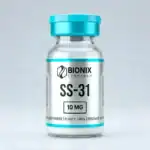
SS-31 (Elamipretide) Peptide
49,90 € Vial
5% off when paying with cryptocurrency
incl. VAT plus Shipping Costs
SS-31 (Elamipretide) Peptide 10mg – Mitochondria-Targeted Tetrapeptide for Bioenergetics Research
- Synthetic tetrapeptide (D-Arg-dimethylTyr-Lys-Phe-NH₂) selectively targeting cardiolipin on the inner mitochondrial membrane.
- Studies demonstrate cardiolipin stabilization, electron transport chain optimization, enhanced ATP synthesis, and reduced reactive oxygen species (ROS) production.
- Purity ≥99% (HPLC-verified). Supplied as lyophilized powder, 10mg per vial.
- Research applications include mitochondrial dysfunction models, ischemia-reperfusion studies, cardioprotection, and oxidative stress research.
- Store at -20°C. For research purposes only. Not intended for human consumption.
| Quantity | Price | Discount |
|---|---|---|
| 11-20 | 42,41 € Vial | 15% |
| 21+ | 39,92 € Vial | 20% |
Delivery time: 1–6 Working Days
SS-31 (Elamipretide) Peptide 10mg – Mitochondria-Targeted Tetrapeptide

Chemical diagram for SS-31 (Elamipretide) source: https://en.wikipedia.org/wiki/Elamipretide#/media/File:Elamipretide_structure.svg
KEY SPECIFICATIONS:
| Parameter | Specification |
|---|---|
| Type | Mitochondrial tetrapeptide (Szeto-Schiller peptide) |
| Target | Cardiolipin (inner mitochondrial membrane) |
| Synonyms | Elamipretide, Bendavia, MTP-131 |
| Sequence | D-Arg-dimethylTyr-Lys-Phe-NH₂ |
| Molecular Formula | C₃₂H₄₉N₉O₅ |
| Molecular Weight | 639.8 g/mol |
| CAS Number | 736992-21-5 |
| Length | 4 amino acids |
| C-terminus | Amidated (-NH₂) |
| Net Charge | +3 (physiological pH) |
| Purity | ≥99% (HPLC) |
| Form | Lyophilized Powder |
| Storage | -20°C |
| Quantity | 10mg |
PRODUCT OVERVIEW:
SS-31, also known as Elamipretide, is a mitochondria-targeted synthetic tetrapeptide designed to selectively interact with the inner mitochondrial membrane. Specifically, this peptide demonstrates remarkable selectivity for cardiolipin—a unique phospholipid found exclusively in mitochondria. Consequently, SS-31 stabilizes membrane architecture and optimizes bioenergetics in research models.
Research demonstrates that SS-31 accumulates in mitochondria independently of membrane potential. Furthermore, it binds cardiolipin through dual mechanisms: hydrophobic interactions via dimethyl-tyrosine and phenylalanine residues, and electrostatic attractions via positively charged D-arginine and lysine. As a result, this binding stabilizes cardiolipin against peroxidation, preserves cristae integrity, and enhances electron transport chain efficiency. BIONIX supplies SS-31 with ≥99% HPLC-verified purity for mitochondrial research.
MECHANISM OF ACTION:
SS-31 operates through highly specific cardiolipin binding, enabling mitochondrial protection and bioenergetic optimization.
Structural Design Features
SS-31’s unique structure enables selective mitochondrial targeting through the aromatic-cationic motif:
| Position | Amino Acid | Research Function |
|---|---|---|
| 1 (N-terminus) | D-Arginine | Positive charge for electrostatic cardiolipin binding; D-configuration enhances peptidase stability |
| 2 | 2′,6′-Dimethyltyrosine | Modified aromatic residue for hydrophobic cardiolipin interaction and radical scavenging |
| 3 | Lysine | Additional positive charge for membrane association |
| 4 (C-terminus) | Phenylalanine-amide | Hydrophobic residue for membrane insertion; amidation enhances stability |
Szeto-Schiller Peptide Class: SS-31 belongs to this peptide family characterized by alternating aromatic-cationic motifs. Consequently, this structure enables both cell membrane penetration and selective mitochondrial accumulation.
Cardiolipin Binding Mechanism
Cardiolipin is a distinctive phospholipid with critical roles in mitochondrial function. Specifically, it contains four fatty acid chains and two phosphate groups, making it essential for ETC complex assembly and cristae structure. However, cardiolipin is highly susceptible to oxidation and experiences compositional alterations with age.
SS-31 interacts with cardiolipin through complementary binding:
| Interaction Type | SS-31 Residue | Cardiolipin Target |
|---|---|---|
| Electrostatic | D-Arg (+), Lys (+) | Phosphate groups (-) |
| Hydrophobic | dimethylTyr, Phe | Fatty acid chains |
| Membrane insertion | Aromatic residues | Lipid bilayer |
Consequently, this dual binding mode positions SS-31 at the membrane surface where it prevents cardiolipin peroxidation, maintains cristae architecture, stabilizes respiratory supercomplexes, and modulates cytochrome c interactions.
ETC Component Effects
SS-31’s cardiolipin stabilization directly affects oxidative phosphorylation:
| ETC Component | SS-31 Effect | Functional Consequence |
|---|---|---|
| Complex I | Stabilized assembly | Reduced electron leakage |
| Complex III | Enhanced activity | Improved electron transfer |
| Complex IV | Optimized function | Efficient oxygen reduction |
| ATP Synthase | Supported assembly | Enhanced ATP production |
| Supercomplexes | Stabilized organization | Minimized ROS generation |
Furthermore, by organizing ETC supercomplexes, SS-31 promotes efficient oxidative phosphorylation. As a result, research models demonstrate increased oxygen consumption, enhanced ATP production, and reduced reactive oxygen species generation.
ROS Reduction Mechanisms
SS-31 reduces oxidative stress through multiple pathways:
| Mechanism | Effect | Research Outcome |
|---|---|---|
| Supercomplex stabilization | Reduced electron leakage | Less superoxide production |
| Cardiolipin protection | Prevented peroxidation | Maintained membrane integrity |
| dimethylTyr radical scavenging | Direct ROS neutralization | Reduced oxidative damage |
| MPT pore inhibition | Prevented opening | Maintained membrane potential |
Therefore, the combination of structural stabilization and direct antioxidant activity contributes to SS-31’s protective effects in oxidative stress models.
RESEARCH APPLICATIONS:
Mitochondrial Dysfunction Models
SS-31 enables investigation of electron transport chain disorders. Specifically, researchers examine:
• Experimental Parameters: Oxygen consumption rate (OCR via Seahorse XF), ATP production (luciferase/HPLC), membrane potential (JC-1, TMRM), ROS production (MitoSOX, DCF-DA), supercomplex assembly (BN-PAGE), cardiolipin content (NAO staining, LC-MS)
• Research Questions: How does cardiolipin stabilization affect ETC efficiency? Can SS-31 rescue bioenergetic deficits? What is the relationship between supercomplex stability and ROS?
Ischemia-Reperfusion Research
SS-31 is extensively studied in ischemia-reperfusion injury models. Consequently, applications include:
• Cardiac Models: Isolated heart perfusion (Langendorff), in vivo coronary artery occlusion, cardiomyocyte hypoxia-reoxygenation, myocardial infarction size quantification
• Other Organ Models: Renal, hepatic, cerebral, and limb ischemia studies
• Measured Endpoints: Infarct size reduction, functional recovery, mitochondrial swelling prevention, cristae preservation (electron microscopy), apoptosis markers
Cardioprotection Studies
Cardiac applications represent a major research focus. Specifically:
• Protective Mechanisms: Mitochondrial permeability transition pore (mPTP) inhibition, cytochrome c release prevention, cardiolipin preservation during stress, energy metabolism maintenance
• Disease Models: Heart failure, pressure overload hypertrophy, doxorubicin cardiotoxicity, diabetic cardiomyopathy
Neurodegenerative Research
SS-31’s mitochondrial effects are investigated in neurodegeneration models. Furthermore:
• Research Areas: Alzheimer’s disease (mitochondrial dysfunction component), Parkinson’s disease (Complex I deficiency), optic neuropathy (Leber’s hereditary), age-related cognitive decline
• Neuronal Endpoints: Synaptic mitochondrial function, axonal transport, neuronal survival markers, cognitive function testing
Oxidative Stress Research
SS-31 enables investigation of ROS-mediated pathology. Consequently:
• Oxidative Stress Models: Chemical pro-oxidant exposure (paraquat, H₂O₂), hyperoxia models, aging-associated oxidative damage, metabolic stress (high glucose, lipotoxicity)
• Measured Parameters: Lipid peroxidation (MDA, 4-HNE), protein oxidation (carbonyl content), DNA damage (8-OHdG), antioxidant enzyme activity
Aging and Longevity Research
SS-31 is investigated in mitochondrial aging contexts. Specifically:
• Age-Related Changes: Declining mitochondrial function, increased ROS production, cardiolipin composition alterations, reduced ATP production capacity
• Research Applications: Aged tissue bioenergetics, exercise capacity in aging, sarcopenia models, healthspan extension studies
However, all applications remain strictly limited to controlled laboratory research environments.
ANALYTICAL VERIFICATION:
BIONIX SS-31 undergoes comprehensive analytical characterization:
• HPLC Analysis: ≥99% purity via reversed-phase chromatography, separating components based on chemical interactions
• Mass Spectrometry: Exact molecular weight confirmation (639.8 g/mol) and sequence verification including D-Arg configuration and dimethyltyrosine modification
• D-Arginine Verification: Stereochemistry confirmation for peptidase resistance
• Additional Parameters: Amino acid composition, residual solvent testing, peptide content, endotoxin testing (LAL)
Physical Characteristics:
| Property | Specification |
|---|---|
| Appearance | White to off-white lyophilized powder |
| Molecular Weight | 639.8 g/mol |
| Sequence | D-Arg-dimethylTyr-Lys-Phe-NH₂ (4 aa) |
| Key Features | Aromatic-cationic motif, cell-penetrating |
| Purity | ≥99% (HPLC-verified) |
| Solubility | Water soluble |
| Charge | +3 (physiological pH) |
DEVELOPMENT STATUS:
SS-31 represents an advanced mitochondrial-targeted research compound:
• Discovery: Szeto-Schiller peptide class (aromatic-cationic motif design)
• Clinical Trials: Completed Phase 2/3 as Elamipretide for specific indications
• Clinical Status: Research compound for broader applications; not approved for general therapeutic use
• Mechanism: Well-characterized cardiolipin binding and ETC stabilization
• Regulatory Note: Research compound status for laboratory investigation
• Availability: BIONIX supplies exclusively for controlled laboratory research
• Distinction: Only phospholipid-targeting peptide with cardiolipin specificity
Unlike other mitochondrial modulators with broader targets, SS-31 demonstrates precise cardiolipin selectivity. Consequently, researchers gain a unique tool for investigating inner mitochondrial membrane dynamics.
FREQUENTLY ENCOUNTERED INQUIRIES:
What distinguishes SS-31 from other mitochondrial peptides? SS-31 is distinguished by specific binding to cardiolipin, a phospholipid found exclusively in the inner mitochondrial membrane. Unlike other mitochondrial modulators with broader targets, this selectivity enables precise investigation of mitochondrial bioenergetics. Specifically, binding occurs through complementary electrostatic (D-Arg, Lys to phosphate groups) and hydrophobic (dimethylTyr, Phe to fatty acid chains) interactions. Therefore, SS-31 provides targeted ETC research capabilities.
How should SS-31 be reconstituted for research? Reconstitute with sterile distilled water or appropriate buffer according to experimental protocols. Specifically, allow the vial to reach room temperature before opening, add solvent gently along the vial wall, and swirl until dissolved—avoid vortexing. Furthermore, aliquot immediately to prevent repeated freeze-thaw cycles. Consequently, proper handling maintains peptide integrity for consistent experimental results.
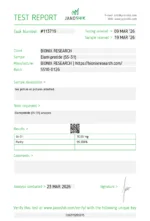
What quality control does BIONIX perform? Each batch undergoes HPLC testing for ≥99% purity and mass spectrometry verification for molecular identity. Specifically, this includes confirmation of D-arginine stereochemistry and dimethyltyrosine modification. Furthermore, batch-specific Certificates of Analysis document amino acid composition and all quality parameters. Therefore, researchers receive analytically verified material.
Is SS-31 stable at room temperature? Lyophilized SS-31 is optimally stable at -20°C. However, short-term storage at room temperature during shipping is acceptable. Consequently, long-term storage requires freezer conditions. Furthermore, after reconstitution, store solutions at 2-8°C and use within 2-4 weeks, or prepare aliquots and freeze for extended storage.
How does SS-31 reduce ROS production? SS-31 reduces reactive oxygen species through four mechanisms: (1) stabilizing ETC supercomplexes to minimize electron leakage; (2) protecting cardiolipin from peroxidation to maintain membrane integrity; (3) providing direct radical scavenging via the dimethyltyrosine residue; and (4) inhibiting mitochondrial permeability transition pore opening. Consequently, this multi-pronged approach addresses both ROS sources and consequences in research models.
What is the clinical development status? SS-31 (Elamipretide) has completed Phase 2/3 clinical trials for specific indications. However, BIONIX SS-31 is supplied exclusively for laboratory research purposes—not for clinical or therapeutic applications. Furthermore, the research compound enables investigation of mitochondrial mechanisms beyond specific clinical indications. Therefore, researchers should strictly limit applications to controlled laboratory environments.
REFERENCES:
- Szeto HH., “First-in-class cardiolipin-protective compound as a therapeutic agent to restore mitochondrial bioenergetics,” Br J Pharmacol, 2014.
- Birk AV et al., “The mitochondrial-targeted compound SS-31 re-energizes ischemic mitochondria by interacting with cardiolipin,” J Am Soc Nephrol, 2013.
- PNAS 2020 — “Mitochondrial protein interaction landscape of SS-31,” 117(26):15363-15373.
- Zhao K et al., “Cell-permeable peptide antioxidants targeted to inner mitochondrial membrane,” J Biol Chem, 2004.
- PMC 2025 — “Elamipretide: Structure, Mechanism of Action and Therapeutic Applications.”
- Szeto HH, Birk AV., “Serendipity and the discovery of novel compounds that restore mitochondrial plasticity,” Clin Pharmacol Ther, 2014.
| Dosage | 10mg, 20mg, 40mg, 50mg, 5mg |
|---|
Product safety
Safety instructions
SAFETY DATA SHEET (SDS)
SS-31 Peptid – Research-Grade Lyophilized Powder (RUO)
CAS Number: 736992-21-5
Synonyms: Elamipretide, Bendavia
REACH Registration: Exempt (<1 tonne/year; Research Use Only)
SECTION 1 — Identification
1.1 Product Identifier: SS-31 Peptid – Lyophilized Powder
1.2 Identified Uses: Analytical-grade peptide for in-vitro laboratory research. Research Use Only (RUO). Not for human or veterinary use.
1.3 Supplier: BIONIX RESEARCH
Email: info@bionixresearch.com
1.4 Emergency: EU Emergency Number: 112
SECTION 2 — Hazards Identification
2.1 Classification: Not classified as hazardous under CLP Regulation (EC) 1272/2008. No GHS pictograms required.
2.2 Precautionary notes:
- Avoid dust inhalation
- Avoid contact with eyes
- Laboratory use only
SECTION 3 — Composition
Substance: SS-31 Peptid
CAS: 736992-21-5
Purity: ≥99% HPLC
Form: Lyophilized powder
Impurities: None classified as hazardous.
SECTION 4 — First-Aid Measures
Inhalation: Move to fresh air. Rinse mouth and nose.
Skin Contact: Wash thoroughly with water and soap.
Eye Contact: Rinse cautiously with clean water for several minutes.
Ingestion: Rinse mouth. Do not induce vomiting. Seek medical advice.
SECTION 5 — Fire-Fighting Measures
Extinguishing Media: CO₂, dry chemical, foam, or water spray.
Hazards: Organic peptide powder, non-flammable. Thermal decomposition may release CO, CO₂, nitrogen oxides.
SECTION 6 — Accidental Release Measures
Avoid dust formation. Use gloves, mask, protective eyewear. Collect powder into sealed waste container.
SECTION 7 — Handling and Storage
Handling: Use only in laboratory settings. Minimize dust formation. Wear standard PPE.
Storage: Store at −20 °C in sealed vial. Protect from sunlight and humidity. Research use only.
SECTION 8 — Exposure Controls / Personal Protection
Exposure Limits: None established.
PPE: Nitrile or latex gloves, lab coat, protective eyewear, dust mask when handling powders.
SECTION 9 — Physical and Chemical Properties
Appearance: White to off-white lyophilized powder
Odor: None
Solubility: Soluble in sterile water, dilute acids, or aqueous buffers
Stability: Stable when stored at −20 °C
SECTION 10 — Stability and Reactivity
Stable under recommended conditions. Avoid heat, moisture, air exposure, oxidizing agents.
SECTION 11 — Toxicological Information
No data available for human exposure. Low acute toxicity expected. Dust may cause mild irritation. Not intended for injection, ingestion, or topical use.
SECTION 12 — Ecological Information
No data available. Not expected to present environmental risks. Prevent release into water systems.
SECTION 13 — Disposal Considerations
Dispose according to local regulations for laboratory chemical waste. Do not dispose via household waste or sewer systems.
SECTION 14 — Transport Information
Not regulated under ADR, IMDG, IATA. No UN classification required.
SECTION 15 — Regulatory Information
Not subject to REACH registration (<1 tonne/year; RUO exemption). Not classified under CLP. Not a pharmaceutical, cosmetic, or medical product.
SECTION 16 — Other Information
This SDS is intended for trained laboratory personnel. It does not signify suitability for therapeutic, diagnostic, or consumer applications.
Related products

Epithalon
24,90 € Vialincl. VAT
plus Shipping Costs
Delivery time: 1–6 Working Days
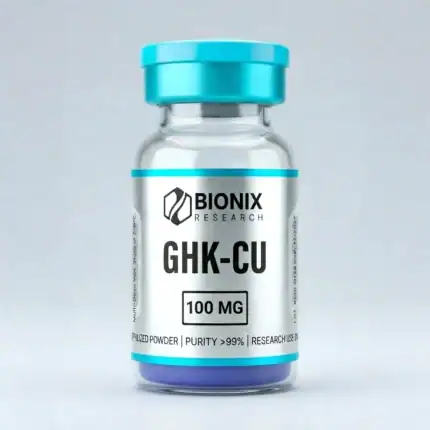
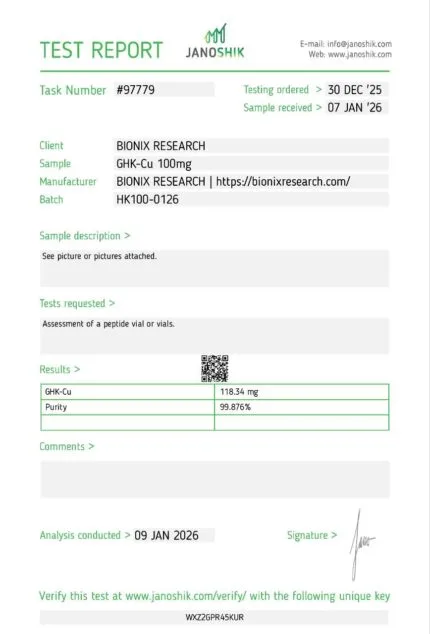
GHK-Cu
29,90 € Vialincl. VAT
plus Shipping Costs
Delivery time: 1–6 Working Days
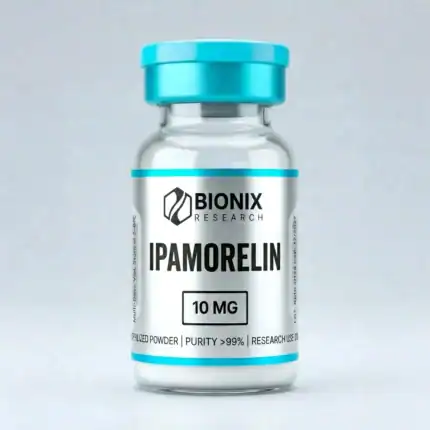
Ipamorelin
39,90 € Vialincl. VAT
plus Shipping Costs
Delivery time: 1–6 Working Days
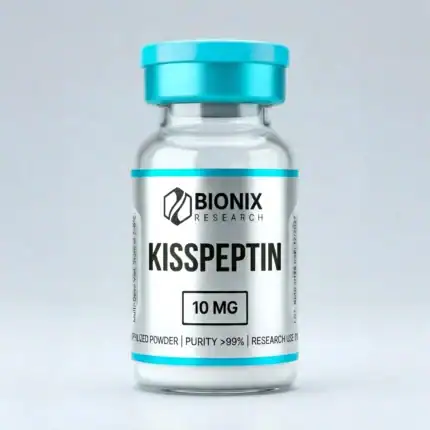
Kisspeptin-10
39,90 € Vialincl. VAT
plus Shipping Costs
Delivery time: 1–6 Working Days

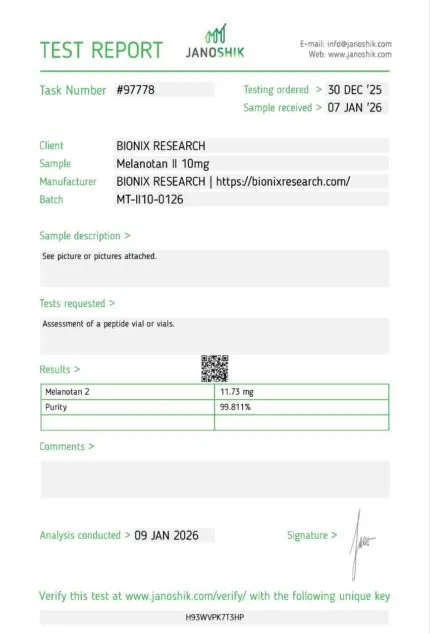
Melanotan 2 (MT-II)
19,90 € Vialincl. VAT
plus Shipping Costs
Delivery time: 1–6 Working Days
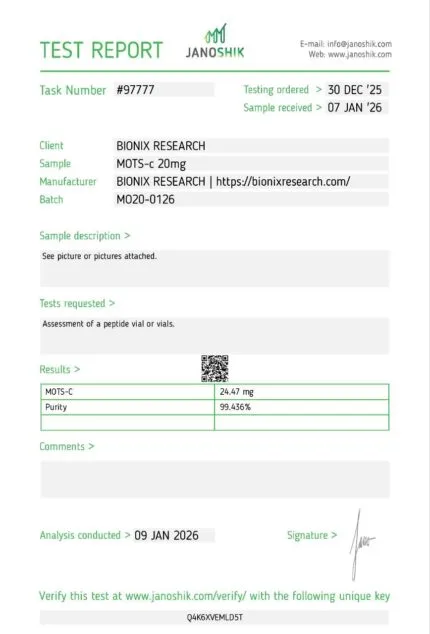
MOTS-c
49,90 € Vialincl. VAT
plus Shipping Costs
Delivery time: 1–6 Working Days
PT-141 (Bremelanotide)
29,90 € Vialincl. VAT
plus Shipping Costs
Delivery time: 1–6 Working Days
VIP Peptide – Vasoactive Intestinal Peptide
69,90 € Vialincl. VAT
plus Shipping Costs
Delivery time: 1–6 Working Days

