


Knowledge Base
Mitochondrial Function & Cellular Energy


The Science Behind Peptides That Support the Body's Powerhouse
How mitochondrial-derived peptides are emerging as key players in cellular energy optimization, metabolic regulation, and the longevity conversation
By mid-afternoon, cognitive throughput drops measurably. Tasks that required sharp focus at 9 AM now drag. Post-exercise recovery extends from hours into days. This is not merely fatigue; it reflects declining mitochondrial membrane potential and ATP output. The electron transport chain still functions, but efficiency has degraded.
After age 40, mitochondrial density decreases approximately 10% per decade. Cardiolipin oxidation impairs Complex I and IV function. Reactive oxygen species leak into cytoplasm, triggering inflammatory cascades. Cells operate on reduced voltage, consuming more substrate while producing less ATP.
Mitochondria-derived peptides address this energy deficit endogenously. MOTS-c regulates metabolic flexibility at the systemic level. Humanin protects against oxidative stress in high-energy tissues. SS-31 (Elamipretide) stabilizes cardiolipin in the inner mitochondrial membrane—the structural integrity required for efficient proton pumping.
This guide examines how these specific sequences restore mitochondrial efficiency, optimize oxidative phosphorylation, and may interrupt the cycle of energy decline that characterizes biological aging.
The Energy Crisis Inside Human Cells
Every second, the human body performs approximately 37 billion chemical reactions. Each heartbeat, every thought, all muscle movements—they all depend on one microscopic organelle: the mitochondrion.
Often called the "powerhouse of the cell," mitochondria do far more than generate energy. These organelles regulate cellular death, influence gene expression, manage calcium signaling, and produce the molecular currency that keeps organisms alive: adenosine triphosphate (ATP).
Here's the challenge: Mitochondrial efficiency declines with age.
Research published in 2024 confirms that mitochondrial dysfunction is now recognized as a core pathological driver of aging, operating through multiple interconnected mechanisms that compromise cellular energy production, oxidative balance, and cellular integrity. As mitochondrial efficiency deteriorates, cells accumulate damage that triggers senescence and inflammatory responses—contributing to nearly every age-related condition from neurodegeneration to metabolic disease.
The consequences are measurable: reduced ATP output, elevated reactive oxygen species (ROS), and a vicious cycle of oxidative damage that compounds over time.
But emerging research points to a fascinating solution—one that mitochondria have been producing all along.
Mitochondrial-Derived Peptides: The Body's Built-In Repair Signals
In the early 2000s, researchers made a groundbreaking discovery: mitochondria don't just produce energy—they produce signaling molecules.
These mitochondrial-derived peptides (MDPs) are small protein sequences encoded within mitochondrial DNA. Unlike nuclear DNA, which is inherited from both parents, mitochondrial DNA is passed exclusively through the maternal line and contains its own unique genetic information.
Three peptides have emerged as particularly significant:
| Peptide | Origin | Primary Function | Discovery |
|---|---|---|---|
| SS-31 (Elamipretide) | Synthetic (designed to target mitochondria) | Membrane stabilization, ROS reduction | Developed based on mitochondrial targeting principles |
| MOTS-c | Encoded by 12S rRNA gene | Metabolic regulation, AMPK activation | Identified 2015 |
| Humanin | Encoded by 16S rRNA gene | Cytoprotection, anti-apoptotic signaling | Discovered 2001 in Alzheimer's research |
Each addresses mitochondrial health through distinct mechanisms—offering complementary approaches to cellular energy optimization.
SS-31 (Elamipretide): The Membrane Stabilizer
Understanding the Cardiolipin Connection
SS-31, also known as Elamipretide, represents a synthetic approach to mitochondrial optimization. This tetrapeptide (D-Arg-Dmt-Lys-Phe-NH2) was specifically designed to penetrate cellular membranes and concentrate within mitochondria—achieving concentrations approximately 1,000-fold higher inside mitochondria compared to the surrounding cytoplasm.
The key to SS-31's mechanism lies in its interaction with cardiolipin—a phospholipid found exclusively in the inner mitochondrial membrane. Cardiolipin isn't just structural; it's functionally essential for:
- Organizing electron transport chain (ETC) complexes into "supercomplexes"
- Anchoring cytochrome c (critical for electron transfer)
- Maintaining cristae morphology (the folded inner membrane structures)
- Supporting ATP synthase function
What happens when cardiolipin becomes damaged?
Oxidative stress destabilizes cardiolipin's structure, causing respiratory chain complexes to dissociate. Electron transfer becomes inefficient, more electrons "leak" to form reactive oxygen species, and ATP production declines. This creates a destructive feedback loop: damaged cardiolipin → increased ROS → more cardiolipin damage.
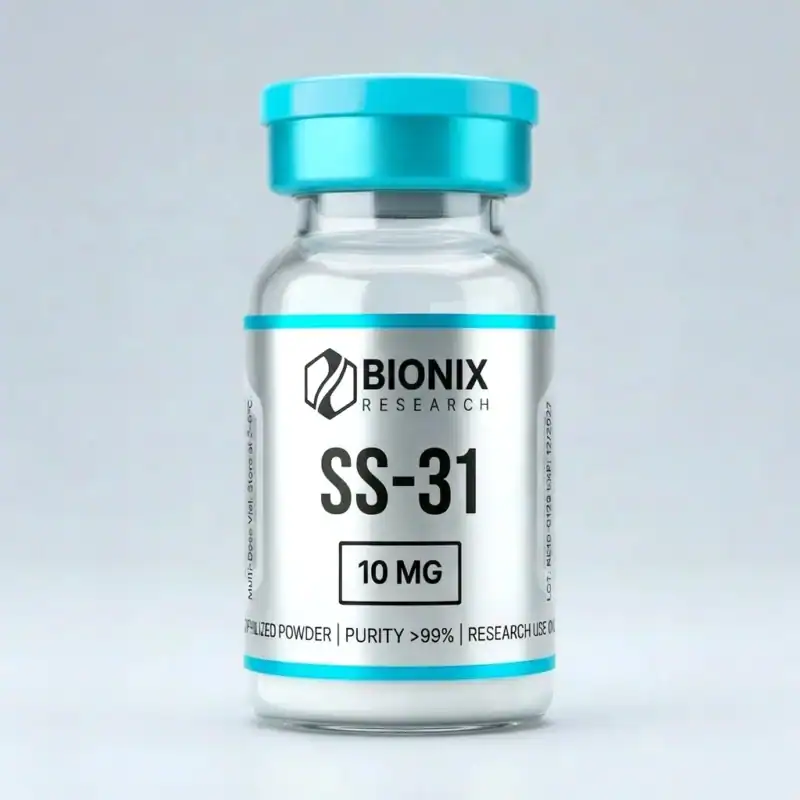
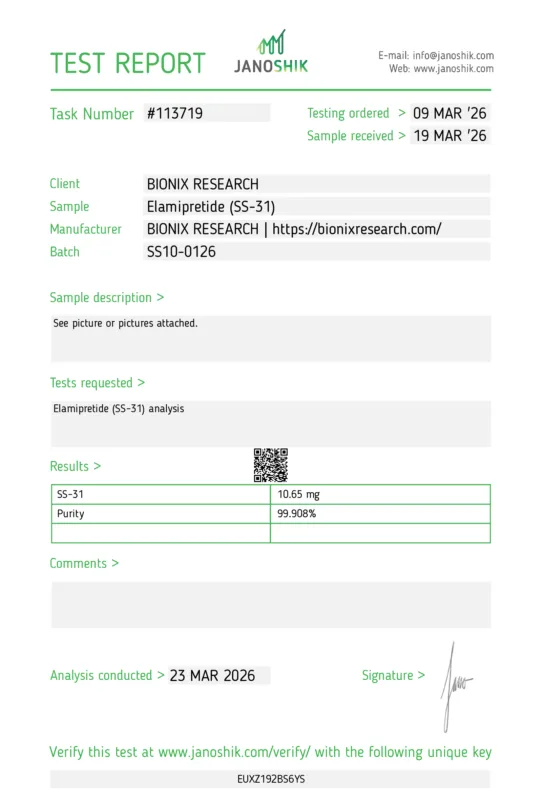
SS-31 (Elamipretide) Peptide
49,90 € Vialincl. VAT
plus Shipping Costs
Delivery time: 1–6 Working Days
How SS-31 Addresses This Cascade
Research published in PNAS and eLife has mapped SS-31's mechanism with precision:
Selective Binding: SS-31's alternating aromatic-cationic structure enables both hydrophobic interactions with cardiolipin's acyl chains and electrostatic interactions with its phosphate headgroups
Membrane Stabilization: Binding increases lipid packing density, reduces interfacial hydration, and draws cardiolipin phosphates closer together (distances <6 Å)
Supercomplex Protection: By stabilizing cardiolipin, SS-31 preserves the organization of OXPHOS complexes (particularly Complex III and IV), maintaining efficient electron transfer
ROS Reduction: SS-31 has been shown to scavenge superoxide, hydrogen peroxide, peroxynitrite, and hydroxyl radicals at the site of production
Research Outcomes
A pivotal 2018 study in aged mouse skeletal muscle demonstrated that 8 weeks of SS-31 treatment (3 mg/kg/day) produced measurable improvements:
- Reversed age-related decline in maximum ATP production (ATPmax)
- Improved oxidative phosphorylation coupling (P/O ratio)
- Reduced mitochondrial S-glutathionylation (a marker of redox stress) by 18%
- Enhanced ADP sensitivity through improved adenine nucleotide translocase (ANT) function
Additionally, SS-31 was shown to reduce proton leak mediated by ANT1 in aged cardiomyocytes—addressing a key mechanism of energy inefficiency in aging tissues.
Regulatory Status
SS-31 received FDA accelerated approval in September 2025 under the brand name Forzinity™ for Barth syndrome—a rare genetic mitochondrial disease. This represents the first FDA-approved mitochondrial-targeted therapeutic. In Europe, SS-31 has completed Phase 3 clinical trials (EudraCT 2021-003907-16) and holds orphan drug designation from the EMA for Barth syndrome, though marketing authorization has not yet been granted.
Important: For research purposes, SS-31 remains classified as an investigational compound. It is not approved as a dietary supplement.
MOTS-c: The Metabolic Regulator
A Different Approach to Mitochondrial Health
Unlike the synthetic SS-31, MOTS-c (Mitochondrial Open Reading Frame of the 12S rRNA Type-c) is a naturally occurring 16-amino-acid peptide encoded within the mitochondrial genome.
Discovered in 2015, MOTS-c emerged from research exploring previously "hidden" genes within mitochondrial DNA. Its amino acid sequence—MRWQEMGYIFYPRKLR—is conserved across species, suggesting evolutionary importance.
What makes MOTS-c unique is its mechanism: rather than directly stabilizing membranes like SS-31, MOTS-c functions as a mitochondrial stress signal that regulates nuclear gene expression and metabolic pathways.
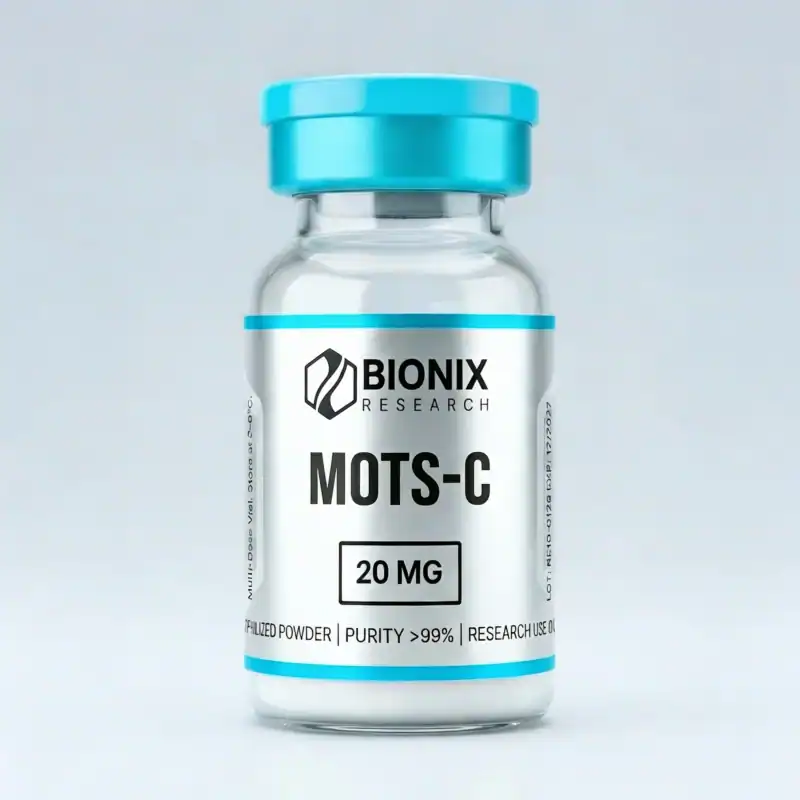
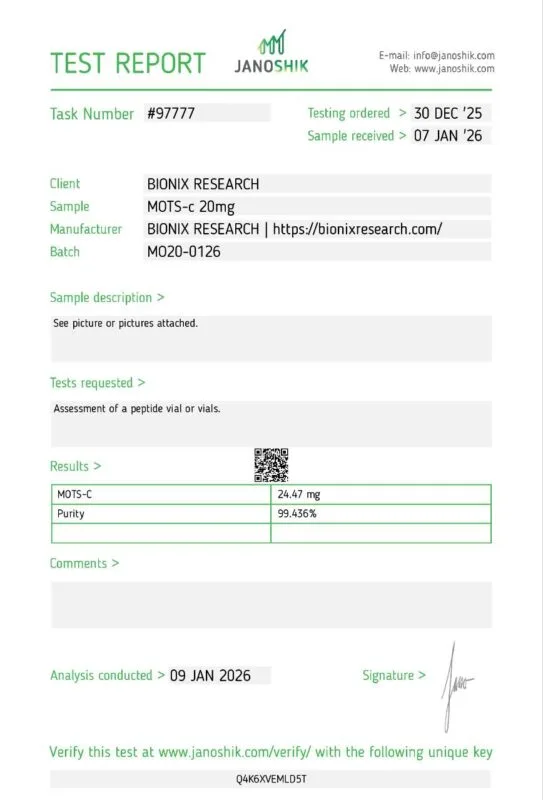
MOTS-c
49,90 € Vialincl. VAT
plus Shipping Costs
Delivery time: 1–6 Working Days
The AMPK Connection
MOTS-c's primary mechanism involves activation of 5'-AMP-activated protein kinase (AMPK)—often called the "metabolic master switch."
AMPK activation triggers a cascade of metabolic adaptations:
| AMPK-Mediated Effect | Physiological Outcome |
|---|---|
| Increased glucose uptake | Enhanced cellular energy availability |
| Enhanced fatty acid oxidation | Improved metabolic flexibility |
| Stimulation of mitochondrial biogenesis (via PGC-1α) | New mitochondria production |
| Autophagy activation | Cellular cleanup and quality control |
| Reduced lipogenesis | Decreased fat storage |
Research demonstrates that MOTS-c enters cells rapidly (within 30 minutes) and, under metabolic stress, translocates from the cytoplasm to the nucleus—where it directly regulates gene expression to maintain cellular homeostasis.
The Exercise Mimetic Effect
Perhaps MOTS-c's most intriguing property is its role as an exercise mimetic.
Studies show that:
- MOTS-c levels increase following physical exercise
- Exogenous MOTS-c administration produces exercise-like metabolic benefits
- Mice treated with MOTS-c show improved exercise capacity (12-15% increase in studies)
This connection is significant enough that the World Anti-Doping Agency (WADA) added MOTS-c to its prohibited list in 2024—classifying it among performance-enhancing substances.
Insulin Sensitivity and Metabolic Regulation
MOTS-c shows particular promise for metabolic health:
- Enhanced insulin sensitivity through AMPK/PGC-1α pathway modulation
- Improved glucose regulation in skeletal muscle
- Increased thermogenic activation in adipose tissue
- Blood-brain barrier penetration enabling central metabolic effects
Research suggests MOTS-c declines with age—mirroring the decline in metabolic flexibility, insulin sensitivity, and exercise capacity observed in aging populations.
Current Status
MOTS-c remains an investigational research compound. It has not received regulatory approval for any medical indication in the EU, US, or other major jurisdictions. Clinical trials are ongoing but limited compared to SS-31.
Humanin: The Cytoprotective Pioneer
Discovery in Alzheimer's Research
Humanin holds a special place in MDP history: it was the first mitochondrial-derived peptide discovered—identified in 2001 from brain tissue of a patient with familial Alzheimer's disease.
Researchers were searching for factors that protected neurons from amyloid-beta toxicity. What they found was a 24-amino-acid peptide (or 21 amino acids in its mitochondrial form) that demonstrated remarkable ability to prevent cell death induced by AD-related proteins including:
- Amyloid-beta (Aβ)
- Amyloid precursor protein (APP)
- Presenilin-1 and Presenilin-2
The name "Humanin" was chosen to evoke the concept of "restoring humanity" to Alzheimer's patients—reflecting researchers' hopes for its neuroprotective potential.
Dual Mechanism: Extracellular and Intracellular
Humanin exerts cytoprotection through two distinct pathways:
Extracellular Signaling:
- Binds to formylpeptide receptor-like-1 (FPRL-1)
- Activates IL-6-related receptor complexes (CNTFR-α, WSX-1, gp130)
- Triggers JAK2/STAT3 pro-survival signaling cascades
Intracellular Actions:
- Enhances mitochondrial respiration and ATP production
- Prevents cytochrome c release (blocking apoptosis initiation)
- Reduces oxidative stress within mitochondria
- Activates chaperone-mediated autophagy
Research indicates Humanin can:
- Increase respiration rates and ATP production by up to 30%
- Reduce pro-inflammatory cytokines (IL-6, TNF-α) by 25-50%
- Improve insulin sensitivity and glucose uptake by 20-30% in relevant models
The Longevity Connection
Humanin demonstrates intriguing associations with aging and longevity:
- Humanin levels decline with age across multiple tissues
- Centenarians and their offspring show higher circulating Humanin levels
- Humanin interacts with the IGF-1/IGFBP-3 axis—a pathway central to longevity research
Animal studies with HNG (a potent Humanin analogue) showed that treating middle-aged mice twice weekly improved metabolic healthspan parameters and reduced inflammatory markers—suggesting potential applications beyond neuroprotection.
2024 Research Update: Hybrid Peptides
A significant 2024 study introduced HNSS—a hybrid peptide combining SS-31 with S-14G Humanin (HNG). This novel approach demonstrated:
- 2-fold increase in brain permeability compared to individual peptides
- Alleviated mitochondrial dysfunction in Alzheimer's disease models
- Reduced neuronal loss and improved cognition in 3xTg-AD mice
- Multimodal neuroprotective effects through combined mechanisms
This research suggests potential synergies between mitochondrial peptide approaches, though human translation remains distant.
Current Status
Humanin remains an investigational research compound without regulatory approval for medical use. It is not classified as a supplement and is not approved for human therapeutic applications.
The Mitochondrial Dysfunction Cascade: Why This Matters
Understanding why mitochondrial peptides generate such research interest requires appreciating the scope of mitochondrial dysfunction in aging.
The Four Mechanisms of Mitochondrial Decline
2024-2025 research has identified four primary pathways through which aging induces mitochondrial dysfunction:
Disrupted Mitochondrial Homeostasis
- Imbalanced fission/fusion dynamics
- Impaired mitophagy (clearance of damaged mitochondria)
- Reduced biogenesis of new mitochondria
Dysregulated Nutrient-Sensing Pathways
- Altered AMPK, mTOR, and sirtuin signaling
- Disrupted energy sensing and adaptation
Perturbed NAD⁺/NADH Balance
- Declining NAD⁺ levels with age
- Compromised electron transport efficiency
Calcium Overload
- Disrupted calcium homeostasis
- Mitochondrial membrane permeability changes
The SASP Connection
Damaged mitochondria don't just produce less energy—they trigger inflammatory signaling.
Research shows mitochondrial damage activates NF-κB signaling, driving the senescence-associated secretory phenotype (SASP)—the secretion of pro-inflammatory cytokines including IL-6 and CXCL1. These SASP factors:
- Promote senescence in neighboring cells (bystander effect)
- Recruit immune cells
- Create systemic inflammation
- Accelerate tissue aging
Additionally, mitochondrial dysfunction activates the cGAS-STING inflammatory pathway through release of mitochondrial DNA fragments—further amplifying age-related inflammation.
Complementary Mechanisms: A Multi-Target Approach
The three peptides address mitochondrial health through distinct but potentially complementary mechanisms:
| Aspect | SS-31 | MOTS-c | Humanin |
|---|---|---|---|
| Primary Target | Inner membrane/cardiolipin | AMPK pathway/nuclear genes | Receptor signaling/intracellular protection |
| Main Effect | Structural stabilization | Metabolic reprogramming | Anti-apoptotic signaling |
| ROS Approach | Direct scavenging at source | Indirect via improved function | Antioxidant defense upregulation |
| ATP Impact | Preserves existing capacity | Enhances biogenesis | Increases respiration rates |
| Origin | Synthetic | Endogenous (mitochondrial) | Endogenous (mitochondrial) |
Theoretically, this suggests:
- SS-31 repairs and stabilizes existing mitochondria
- MOTS-c promotes generation of new, healthy mitochondria
- Humanin protects cells from stress and damage during the process
However, no peer-reviewed clinical studies have tested combinations of these peptides in humans. Current understanding of potential synergy remains theoretical, based on mechanism-of-action analysis rather than direct experimental evidence.
Research Considerations and Current Limitations
What the Science Shows
✓ SS-31 has the most extensive clinical development, with FDA approval for Barth syndrome and multiple completed Phase 2/3 trials
✓ All three peptides demonstrate measurable effects on mitochondrial function in preclinical models
✓ MOTS-c and Humanin are endogenously produced, with levels correlating to metabolic health and longevity markers
✓ Mechanisms of action are increasingly well-characterized at the molecular level
What Remains Unknown
✗ Long-term effects of exogenous administration in healthy humans
✗ Optimal dosing protocols for different applications
✗ Potential interactions with medications or other compounds
✗ Individual variation in response based on genetics, age, or health status
✗ Effects of combination protocols
The Regulatory Landscape
SS-31 (Elamipretide):
- FDA approved (2025) for Barth syndrome
- EMA orphan drug designation; EU approval pending
- Classified as pharmaceutical, not supplement
- Available for research purposes only outside approved indications
MOTS-c:
- No regulatory approval for any indication
- WADA prohibited substance (2024)
- Research compound only
- Not classified as supplement
Humanin:
- No regulatory approval for any indication
- Research compound only
- Not classified as supplement
Summary: The Future of Mitochondrial Health
Mitochondrial-derived peptides represent a fascinating frontier in cellular biology—offering potential tools for addressing one of aging's most fundamental challenges: the decline of cellular energy production.
The core insights:
Mitochondrial dysfunction is a driver, not just a marker, of aging—affecting energy production, oxidative stress, inflammation, and cellular senescence
Three peptide sequences target distinct aspects of mitochondrial health:
- SS-31 stabilizes membrane structure and reduces oxidative damage
- MOTS-c regulates metabolism and promotes mitochondrial biogenesis
- Humanin provides cytoprotection and anti-apoptotic signaling
Clinical development is advancing—with SS-31 achieving the first FDA approval for a mitochondrial-targeted therapeutic
Significant research gaps remain—particularly regarding combination approaches, long-term effects, and applications beyond rare disease
For researchers and those following developments in longevity science, mitochondrial peptides offer a compelling window into how cellular energy systems might be supported and optimized.
The conversation between mitochondria and the rest of the cell—mediated by these small but significant peptides—continues to reveal new insights into health, aging, and cellular resilience.
Frequently Asked Questions: Mitochondrial Peptides & Cellular Energy
Comprehensive answers to the most common questions about SS-31, MOTS-c, Humanin, and mitochondrial health optimization
General Questions About Mitochondrial Function
Q: What is mitochondrial dysfunction and why does it matter for aging?
A: Mitochondrial dysfunction refers to the decline in mitochondria's ability to efficiently produce ATP (cellular energy) while managing oxidative stress. This matters profoundly for aging because mitochondria do far more than generate energy—these organelles regulate cellular death pathways, calcium signaling, and inflammatory responses.
As mitochondrial function declines, cells experience:
- Reduced ATP production (less cellular energy)
- Increased reactive oxygen species (ROS) causing oxidative damage
- Activation of inflammatory pathways (NF-κB, cGAS-STING)
- Triggering of cellular senescence and SASP (senescence-associated secretory phenotype)
Research now recognizes mitochondrial dysfunction as a driver of aging, not merely a consequence. This understanding has sparked interest in compounds that may support mitochondrial health and cellular energy production.
Q: What are mitochondrial-derived peptides (MDPs)?
A: Mitochondrial-derived peptides are small protein sequences encoded within mitochondrial DNA. Unlike most proteins in the human body (encoded by nuclear DNA), MDPs originate from the separate genome contained within mitochondria themselves.
The three most studied MDPs are:
- Humanin (discovered 2001) – 24 amino acids, cytoprotective functions
- MOTS-c (discovered 2015) – 16 amino acids, metabolic regulation
- Small Humanin-Like Peptides (SHLPs) – family of related peptides
SS-31 (Elamipretide) is technically not an MDP—it's a synthetic peptide designed to target mitochondria. However, it's often discussed alongside MDPs due to its mitochondrial focus.
These peptides function as signaling molecules, communicating between mitochondria and the rest of the cell to coordinate stress responses, energy metabolism, and cellular protection.
Q: How do peptides support mitochondrial health?
A: Different peptides support mitochondrial health through distinct mechanisms:
| Mechanism | Peptide | How It Works |
|---|---|---|
| Membrane Stabilization | SS-31 | Binds cardiolipin in the inner mitochondrial membrane, stabilizing electron transport chain complexes |
| ROS Reduction | SS-31 | Scavenges reactive oxygen species at the site of production |
| Metabolic Regulation | MOTS-c | Activates AMPK pathway, promoting metabolic flexibility and mitochondrial biogenesis |
| Biogenesis Promotion | MOTS-c | Stimulates PGC-1α, triggering production of new mitochondria |
| Cytoprotection | Humanin | Prevents apoptosis (programmed cell death) and protects against cellular stress |
| Anti-inflammatory | Humanin | Reduces pro-inflammatory cytokines and modulates cellular signaling |
These complementary mechanisms explain why researchers study these peptides for different applications—from acute mitochondrial stress to chronic metabolic conditions.
SS-31 (Elamipretide) Specific Questions
Q: What is SS-31 and how does it work?
A: SS-31, also known as Elamipretide (brand name Forzinity™), is a synthetic tetrapeptide with the sequence D-Arg-Dmt-Lys-Phe-NH2. Its alternating aromatic-cationic structure allows it to:
- Penetrate cellular membranes without requiring transporters
- Concentrate within mitochondria at 1,000x higher levels than surrounding cytoplasm
- Bind selectively to cardiolipin—a phospholipid unique to the inner mitochondrial membrane
By stabilizing cardiolipin, SS-31 maintains the organization of electron transport chain "supercomplexes," ensuring efficient electron transfer and ATP production while reducing electron leakage that creates damaging ROS.
Q: Is SS-31 FDA approved?
A: Yes, with important limitations. In September 2025, the FDA granted accelerated approval to SS-31 (as Forzinity™) for treating Barth syndrome—a rare genetic mitochondrial disease affecting approximately 1 in 300,000-400,000 individuals.
This represents the first FDA-approved mitochondrial-targeted therapeutic.
However, this approval is specific to Barth syndrome. SS-31 is not approved for:
- General anti-aging applications
- Athletic performance enhancement
- Other mitochondrial conditions (pending further trials)
- Use as a dietary supplement
In Europe, SS-31 holds orphan drug designation from the EMA but has not yet received marketing authorization.
Q: What are the side effects of SS-31?
A: Clinical trials have demonstrated a generally favorable tolerability profile for SS-31. The most commonly reported side effects include:
Injection Site Reactions (most common):
- Erythema (redness): ~57% of participants
- Pruritus (itching): ~47%
- Pain at injection site: ~20%
- Urticaria (hives): ~20%
- Bruising or induration: occasional
Systemic Effects (less common):
- Headache: up to 22%
- Dizziness: ~8%
- Nausea, fatigue
- Gastrointestinal symptoms (diarrhea, abdominal discomfort)
- Mild hypotension (rare)
Most side effects have been characterized as mild to moderate and transient. No significant changes in vital signs, laboratory values, or ECG parameters have been reported in clinical trials.
Important limitations: Long-term safety data (beyond 4 weeks of continuous use) remains limited. SS-31 is contraindicated in pregnancy/breastfeeding and those with history of cancer due to insufficient safety data in these populations.
Q: How is SS-31 different from MOTS-c?
A: SS-31 and MOTS-c represent fundamentally different approaches to mitochondrial support:
| Characteristic | SS-31 | MOTS-c |
|---|---|---|
| Origin | Synthetic (designed in laboratory) | Natural (encoded in mitochondrial DNA) |
| Size | 4 amino acids (~640 Da) | 16 amino acids (~1,915 Da) |
| Primary Target | Cardiolipin in inner mitochondrial membrane | AMPK pathway and nuclear gene expression |
| Mechanism | Direct membrane stabilization | Metabolic reprogramming and biogenesis |
| Speed of Action | Rapid (immediate membrane effects) | Gradual (gene expression changes) |
| Best For | Acute mitochondrial stress, organ-specific dysfunction | Chronic metabolic conditions, aging |
| Clinical Development | FDA approved (Barth syndrome) | Investigational only |
SS-31 functions as "repairing the existing power plant" while MOTS-c "builds new power plants and improves efficiency protocols."
MOTS-c Specific Questions
Q: What is MOTS-c and what does it do?
A: MOTS-c (Mitochondrial Open Reading Frame of the 12S rRNA Type-c) is a 16-amino-acid peptide naturally produced by mitochondria in the human body. Its sequence—MRWQEMGYIFYPRKLR—is conserved across species, indicating important evolutionary functions.
MOTS-c's primary actions include:
- AMPK Activation: Stimulates the "metabolic master switch" that coordinates energy sensing
- Metabolic Flexibility: Enhances both glucose uptake and fatty acid oxidation
- Mitochondrial Biogenesis: Promotes production of new mitochondria via PGC-1α
- Insulin Sensitivity: Improves cellular response to insulin signaling
- Nuclear Translocation: Under stress, moves to the nucleus to directly regulate gene expression
MOTS-c functions as a "mitochondrial stress signal"—communicating energy status to the rest of the cell and coordinating adaptive responses.
Q: Is MOTS-c an exercise mimetic?
A: Research supports characterizing MOTS-c as an exercise mimetic based on several observations:
Evidence for exercise mimetic effects:
- MOTS-c levels increase following physical exercise in the human body
- Exogenous MOTS-c administration produces metabolic adaptations similar to exercise
- Animal studies show improved exercise capacity (12-15% increases reported)
- MOTS-c activates AMPK—the same pathway activated by exercise
WADA Classification: The World Anti-Doping Agency added MOTS-c to its prohibited list in 2024, classifying it among substances that mimic exercise-induced adaptations.
However, "exercise mimetic" doesn't mean MOTS-c replaces exercise. Physical activity provides benefits beyond AMPK activation—including mechanical stress on bones, neuromuscular coordination, and psychological benefits—that no peptide can replicate.
Q: Does MOTS-c help with weight loss and metabolism?
A: Preclinical research suggests MOTS-c influences metabolic pathways relevant to body composition:
Observed effects in research models:
- Prevention of diet-induced obesity in high-fat-fed animals
- Improved insulin sensitivity and glucose regulation
- Enhanced thermogenic activity in adipose tissue
- Increased fatty acid oxidation
Mechanism: MOTS-c's activation of AMPK shifts cellular metabolism toward energy expenditure rather than storage, while improved insulin sensitivity helps regulate blood glucose and reduce lipogenesis (fat production).
Important caveat: These findings come primarily from animal studies. Human clinical data on MOTS-c for metabolic conditions remains limited. MOTS-c is not approved for weight loss or any medical indication.
Q: What is the connection between MOTS-c and longevity?
A: MOTS-c demonstrates several associations with longevity pathways:
Research observations:
- MOTS-c activates pathways similar to caloric restriction (a proven longevity intervention)
- MOTS-c regulates the folate/methionine cycle—methionine restriction extends lifespan up to 45% in animal models
- MOTS-c levels appear to change with age, though patterns vary by tissue
- The peptide influences genes associated with stress resistance and metabolic health
Theoretical framework: By improving metabolic flexibility, reducing oxidative stress, and promoting mitochondrial quality, MOTS-c may support cellular resilience against age-related decline.
Reality check: Longevity research requires decades of human data to validate. Current MOTS-c evidence comes primarily from cell cultures and animal models. No human trials have demonstrated lifespan extension.
Humanin Specific Questions
Q: What is Humanin and how was it discovered?
A: Humanin is a 24-amino-acid peptide (or 21 amino acids in its mitochondrial form) discovered in 2001 during Alzheimer's disease research. Scientists searching for factors that protected neurons from amyloid-beta toxicity identified this peptide in brain tissue from a patient with familial Alzheimer's.
The name "Humanin" was chosen to evoke the concept of "restoring humanity" to Alzheimer's patients—reflecting researchers' hopes for its neuroprotective potential.
Humanin was the first mitochondrial-derived peptide discovered, opening an entirely new field of research into mitochondrial signaling.
Q: What does Humanin do in the human body?
A: Humanin provides cytoprotection through dual mechanisms:
Extracellular Signaling:
- Binds to cell surface receptors (FPRL-1, IL-6-related receptors)
- Activates JAK2/STAT3 pro-survival pathways
- Triggers protective signaling cascades
Intracellular Actions:
- Enhances mitochondrial respiration (up to 30% increases reported)
- Prevents cytochrome c release (blocking apoptosis initiation)
- Reduces oxidative stress within mitochondria
- Activates chaperone-mediated autophagy (cellular cleanup)
- Decreases pro-inflammatory cytokines (IL-6, TNF-α reduced 25-50%)
Humanin essentially serves as a "cellular bodyguard"—protecting cells from stress-induced death while supporting efficient energy production.
Q: Is Humanin connected to longevity?
A: Humanin shows intriguing associations with human longevity:
Key observations:
- Humanin levels decline with age across multiple tissues in the human body
- Centenarians and their offspring show higher circulating Humanin levels compared to age-matched controls
- Humanin interacts with the IGF-1/IGFBP-3 axis—a pathway central to longevity research
- Animal studies with Humanin analogues show improved metabolic healthspan
These correlations suggest Humanin may be a biomarker or mediator of healthy aging. However, correlation doesn't prove causation—whether higher Humanin causes longevity or simply accompanies it remains under investigation.
Q: Does Humanin only protect the brain?
A: No. While discovered for neuroprotection, Humanin demonstrates effects across multiple organ systems:
| System | Research Findings |
|---|---|
| Brain | Protection against Aβ toxicity, stroke, Parkinson's, Huntington's, ALS models |
| Heart | Cardioprotection, reduced atherosclerotic plaque formation, improved cardiac function |
| Muscle | Preserved muscle function, reduced age-related decline |
| Metabolism | Improved insulin sensitivity, enhanced glucose regulation |
| Eye | Protection of retinal pigment epithelium from oxidative stress |
| Vasculature | Endothelial protection, reduced vascular dysfunction |
This broad tissue protection aligns with Humanin's fundamental mechanism—mitochondria exist in virtually every cell type, so mitochondrial-derived signals can have systemic effects.
Comparison and Combination Questions
Q: Which mitochondrial peptide is best for energy and fatigue?
A: The "best" peptide depends on the underlying cause of energy issues:
SS-31 may be more appropriate when:
- Mitochondrial damage or dysfunction is acute
- Oxidative stress levels are elevated
- Specific organs (heart, muscle, eyes) show dysfunction
- Rapid intervention is desired
MOTS-c may be more appropriate when:
- Metabolic flexibility is compromised
- Chronic fatigue relates to metabolic dysregulation
- Insulin sensitivity is suboptimal
- Long-term metabolic optimization is the goal
Humanin may be more appropriate when:
- Cellular stress and apoptosis are concerns
- Neuroprotection is a priority
- Inflammatory markers are elevated
- Comprehensive cytoprotection is desired
Important: All three remain investigational for fatigue or energy applications. No peptide is approved for treating fatigue, and underlying causes should be evaluated by healthcare professionals.
Q: Can SS-31, MOTS-c, and Humanin be combined?
A: Theoretically, these peptides address complementary mechanisms:
- SS-31 stabilizes existing mitochondria
- MOTS-c promotes new mitochondria production
- Humanin protects cells during the process
However, critical limitations exist:
❌ No peer-reviewed clinical studies have tested combinations in humans ❌ Optimal dosing for combinations is unknown ❌ Potential interactions haven't been systematically evaluated ❌ Safety of combined protocols lacks evidence
A 2024 study on HNSS (a hybrid of SS-31 and Humanin) showed promising results in Alzheimer's models, suggesting potential synergies. However, human translation of combination approaches remains distant, and any combination protocol would be experimental.
Q: What's the difference between natural and synthetic mitochondrial peptides?
A: The distinction matters for understanding mechanism and regulation:
Natural MDPs (MOTS-c, Humanin):
- Encoded in mitochondrial DNA
- Produced endogenously by cells in the human body
- Function as signaling molecules
- Levels change with age, exercise, metabolic status
- May represent evolutionary adaptations
Synthetic Peptides (SS-31):
- Designed in laboratories based on biochemical principles
- Not naturally occurring
- Optimized for specific targets (e.g., cardiolipin binding)
- Consistent, reproducible structure
- Subject to pharmaceutical development pathways
Neither category is inherently "better"—they represent different approaches. Natural origin doesn't guarantee safety or efficacy, and synthetic origin doesn't preclude therapeutic value.
Safety and Regulatory Questions
Q: Are mitochondrial peptides safe?
A: Safety profiles vary by peptide and available evidence:
SS-31: Most extensively studied in humans. Clinical trials demonstrate generally favorable tolerability with mild injection site reactions as the most common side effect. FDA approval for Barth syndrome indicates acceptable safety for that indication. Long-term safety beyond 4 weeks remains less characterized.
MOTS-c: Limited human safety data. Preclinical studies show no major safety signals, but comprehensive human safety profiling hasn't been conducted. Classified as prohibited by WADA, indicating performance-enhancing potential.
Humanin: Primarily preclinical data. Animal studies with Humanin analogues haven't revealed significant toxicity, but human safety data remains sparse.
General considerations:
- All three are investigational outside SS-31's Barth syndrome approval
- Individual responses may vary
- Interactions with medications haven't been systematically studied
- Pregnancy/breastfeeding contraindications apply to SS-31 (data insufficient for others)
Q: Are mitochondrial peptides legal?
A: Legal status depends on context and jurisdiction:
SS-31 (Elamipretide):
- Legal by prescription for Barth syndrome (US)
- Pharmaceutical classification (not a supplement)
- Available for research purposes
- Requires appropriate licensing for possession/use
MOTS-c:
- Not approved for any medical indication
- Prohibited by WADA for athletes (2024)
- Legal for research purposes in most jurisdictions
- Not classified as a controlled substance
Humanin:
- Not approved for any medical indication
- Legal for research purposes
- Not classified as a controlled substance
- No WADA prohibition currently
Important: Classification as "legal for research" doesn't imply approval for personal use. Research compounds require appropriate institutional oversight and are not intended for self-administration.
Q: Can mitochondrial peptides be purchased as supplements?
A: No. None of these peptides are approved or classified as dietary supplements:
- SS-31 is a pharmaceutical requiring prescription (for approved indication)
- MOTS-c is a research compound without supplement classification
- Humanin is a research compound without supplement classification
Products marketed as "mitochondrial peptide supplements" should be viewed with extreme caution:
- Quality and purity cannot be verified
- Dosing accuracy is uncertain
- No regulatory oversight ensures safety
- Claims may violate advertising regulations
Legitimate mitochondrial support through supplements includes compounds like CoQ10, NAD+ precursors, and PQQ—which have different regulatory pathways and safety profiles than these peptides.
Practical Questions
Q: How do researchers administer these peptides?
A: Administration routes vary by peptide and research context:
SS-31:
- Subcutaneous injection (most common in trials)
- Intravenous infusion (hospital settings)
- Oral formulations (under development; lower bioavailability)
MOTS-c:
- Subcutaneous injection (research protocols)
- Intraperitoneal injection (animal studies)
Humanin:
- Subcutaneous injection (research protocols)
- Intranasal (investigated for CNS delivery)
- Intraperitoneal (animal studies)
Peptides generally have poor oral bioavailability due to degradation in the digestive system. Injectable administration bypasses this limitation but introduces other considerations (sterility, injection technique, stability).
Q: How long do mitochondrial peptides take to work?
A: Timelines differ based on mechanism:
SS-31:
- Membrane effects may occur rapidly (hours to days)
- Functional improvements in clinical trials observed over weeks
- 8-week protocols common in research
MOTS-c:
- Gene expression changes require time to manifest
- Metabolic adaptations typically measured over weeks
- Exercise-related effects studied over 4-12 week periods
Humanin:
- Cytoprotective signaling can be rapid
- Functional outcomes measured over weeks to months
- Long-term effects require extended observation
Context matters: Acute mitochondrial damage might respond differently than chronic dysfunction. Individual variation, baseline health status, and concurrent interventions all influence timelines.
Q: What lifestyle factors support mitochondrial health naturally?
A: Before considering any peptide intervention, foundational lifestyle factors significantly impact mitochondrial function:
Exercise:
- Aerobic exercise stimulates mitochondrial biogenesis
- Resistance training improves mitochondrial quality
- HIIT may particularly enhance mitochondrial adaptations
- Natural MOTS-c levels increase with exercise
Nutrition:
- Caloric balance prevents metabolic overload
- Adequate protein supports mitochondrial protein synthesis
- Polyphenols (found in colorful plants) may support mitochondrial function
- Avoiding excessive processed foods reduces oxidative burden
Sleep:
- Circadian rhythms influence mitochondrial dynamics
- Sleep deprivation impairs mitochondrial function
- Quality sleep supports cellular repair processes
Cold Exposure:
- Activates brown adipose tissue
- Stimulates mitochondrial biogenesis
- Increases metabolic flexibility
Stress Management:
- Chronic stress elevates cortisol and oxidative stress
- Meditation and relaxation support mitochondrial health
- Social connection reduces inflammatory burden
Supplements with established profiles:
- CoQ10 (electron transport support)
- NAD+ precursors (NMN, NR)
- PQQ (mitochondrial biogenesis)
- Alpha-lipoic acid (antioxidant)
- Magnesium (ATP cofactor)
These foundational interventions are accessible, well-characterized, and form the basis of any mitochondrial health strategy.
Q: Where can researchers learn more about mitochondrial peptide research?
A: Reputable sources for ongoing research include:
Clinical Trial Databases:
- ClinicalTrials.gov (US trials)
- EU Clinical Trials Register (European trials)
- Search terms: "Elamipretide," "MOTS-c," "Humanin"
Peer-Reviewed Literature:
- PubMed/MEDLINE
- Key journals: Cell Metabolism, Nature Aging, Aging Cell, PNAS
Research Institutions:
- Buck Institute for Research on Aging
- Karolinska Institute
- Mayo Clinic aging research programs
Regulatory Agencies:
- FDA drug approval announcements
- EMA scientific assessments
- Orphan drug designations
Important: Sources selling products while providing "education" should be approached with caution—conflicts of interest can bias information. Peer-reviewed research and regulatory documents provide more reliable foundations for understanding.
Summary: Key Takeaways About Mitochondrial Peptides
| Question | Short Answer |
|---|---|
| What are they? | Peptides (natural or synthetic) that target mitochondrial function |
| How do they work? | Membrane stabilization (SS-31), metabolic regulation (MOTS-c), cytoprotection (Humanin) |
| Are they approved? | SS-31 only, for Barth syndrome; others investigational |
| Are they safe? | SS-31 has clinical safety data; others limited |
| Can they be purchased? | Not as supplements; research compounds or prescription only |
| Do they work for energy/aging? | Promising preclinical data; human evidence limited |
| What's the best one? | Depends on specific goals and underlying mechanisms |
| Can they be combined? | No clinical evidence for combinations |
This article and FAQ are provided for educational purposes only. The peptides discussed are investigational compounds and/or approved only for specific rare disease indications. They are not approved as dietary supplements. Research applications require appropriate oversight and compliance with applicable regulations.

