


Knowledge Base
Cellular Repair & Regeneration Peptides


Cellular Repair & Regeneration: The Science Behind Peptides That Support Natural Healing Processes
Six weeks after a soft tissue injury, the acute pain has resolved but functional limitation persists. The tissue has knit, yet it remains stiff, weak, and prone to reinjury. This gap between structural closure and functional restoration—common after age 35—signals not a failure of biology, but a decline in signaling amplitude.
Fibroblast migration to injury sites slows measurably with age. Collagen synthesis rates drop. Angiogenic response via VEGF becomes insufficient for optimal tissue oxygenation. The cellular machinery for repair remains intact; the activation signals have grown faint.
Regenerative peptides address this specific deficit. Compounds such as BPC-157, TB-500, and GHK-Cu function not as external repair agents, but as signal amplifiers—restoring the molecular volume on fibroblast activation, angiogenesis promotion, and extracellular matrix remodeling that characterizes youthful healing competence.
This guide examines the mechanistic basis of these peptides, their role in cellular turnover, and the specific pathways through which they may support tissue regeneration.
What Are Regenerative Peptides?
Peptides are short chains of amino acids that function as the body's natural communication system. They carry specific instructions between cells about healing, growth, and repair processes.
Regenerative peptides specifically target cellular repair mechanisms. Unlike traditional pharmaceutical approaches, they work by stimulating the body's own cells to repair and regenerate at the site of damage. This approach leverages existing biological systems rather than introducing external compounds.
How Do They Work at the Cellular Level?
Regenerative peptides operate through multiple interconnected pathways:
1. Cell Signaling Activation Peptides mimic or enhance natural signaling molecules. They bind to specific cellular receptors and activate pathways involved in tissue repair, inflammation regulation, and immune function.
2. Growth Factor Stimulation Many regenerative peptides boost growth factors critical to repair. For example, they can enhance Insulin-like Growth Factor 1 (IGF-1), which activates new muscle cells and facilitates tissue repair.
3. Angiogenesis Promotion Peptides support the formation of new blood vessels. This process delivers nutrients and oxygen to damaged tissues—an essential step in any healing process.
4. Collagen Synthesis Collagen forms the structural foundation of connective tissue. Regenerative peptides stimulate collagen production, supporting wound healing and tissue integrity.
5. Extracellular Matrix Remodeling The extracellular matrix provides structural support for cells. Peptides help regulate enzymes (called metalloproteinases) that break down and rebuild this matrix during healing.
The Big Three: Key Regenerative Peptides in Research
The following section examines the three most studied compounds in this category.
BPC-157: The Gastric Peptide
What Is It? BPC-157 (Body Protection Compound-157) is a synthetic 15-amino acid peptide derived from a protective protein found in human gastric juice. Researchers first isolated it while studying stomach lining protection mechanisms.

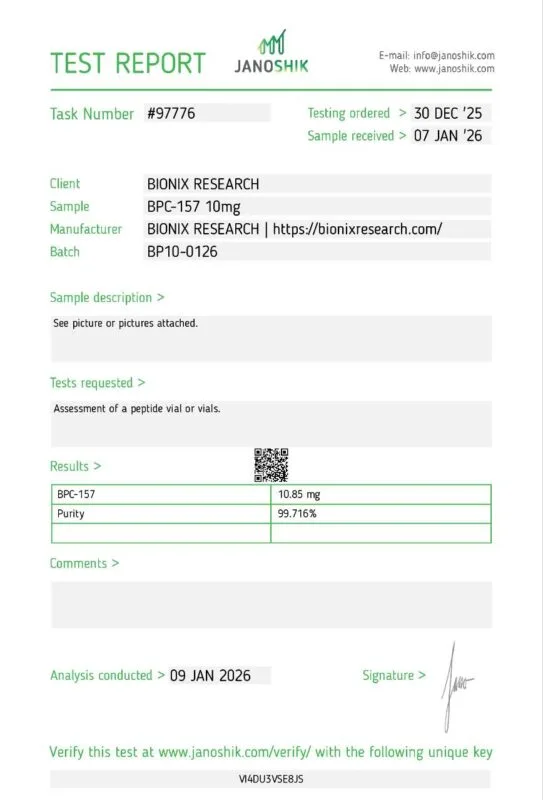
BPC-157
24,90 € Vialincl. VAT
plus Shipping Costs
Delivery time: 1–6 Working Days
Mechanism of Action BPC-157 works through several pathways:
FAK-Paxillin Pathway Activation: The peptide enhances phosphorylation of focal adhesion kinase (FAK) and paxillin in tendon fibroblasts. This boosts cell migration, adhesion, proliferation, and survival at injury sites.
Angiogenesis Enhancement: BPC-157 upregulates VEGFR2 expression and nitric oxide production, improving blood supply for healing.
Growth Factor Modulation: Research indicates BPC-157 increases growth hormone receptor expression. One 2019 study found it significantly increased growth hormone in tendon tissue by up to sevenfold by day three.
Anti-Inflammatory Effects: The compound demonstrates cytoprotection across muscles, bones, tendons, and gut tissue.
Current Research Status Over 35 animal studies demonstrate benefits for orthopedic injuries, including faster healing of muscles, tendons, ligaments, bones, and wounds. However, robust human clinical trials are lacking. The compound is not approved by the FDA or EMA for human clinical use, and ongoing trials for conditions like inflammatory bowel disease have not published results.
Important Considerations Some researchers raise concerns about BPC-157's angiogenesis-promoting effects. The same pathway that supports healing could theoretically affect tumor growth—though this remains under investigation. WADA prohibits BPC-157 under the S0 Unapproved Substances category.
TB-500 (Thymosin Beta-4): The Universal Healer
What Is It? Thymosin Beta-4 (Tβ4), commercially known as TB-500, is a naturally occurring 43-amino acid peptide found in most human cells. Unlike synthetic compounds, the human body already produces this peptide—though production may decline with age or injury.
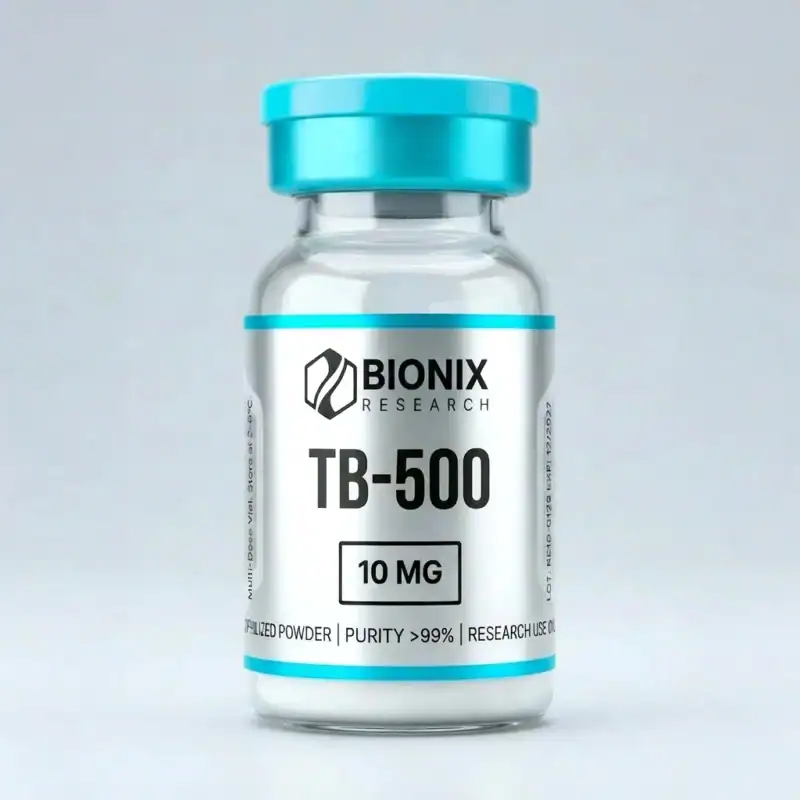
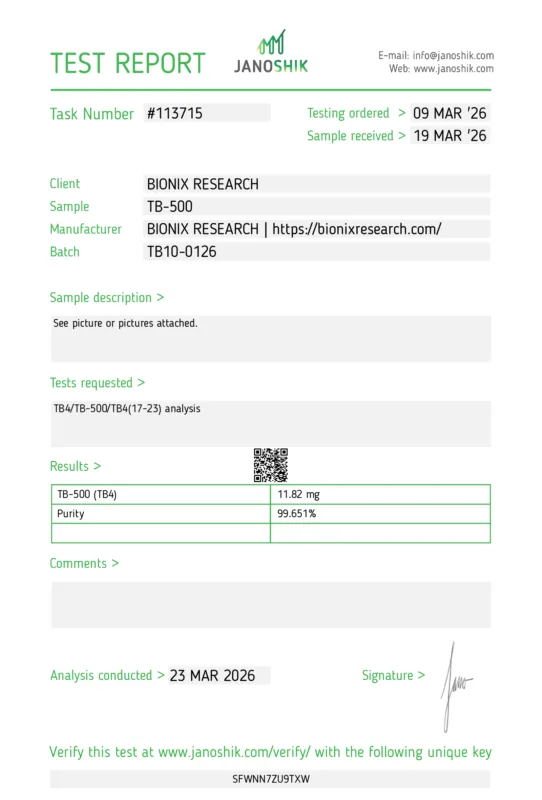
TB-500 (Thymosin Beta-4)
49,90 € Vialincl. VAT
plus Shipping Costs
Delivery time: 1–6 Working Days
Mechanism of Action TB-500 operates through several key pathways:
Actin Sequestration: The peptide's primary function involves binding to G-actin (globular actin monomers), regulating their polymerization into structural filaments. This "buffering" action controls cell structure and movement.
Cell Migration and Differentiation: By binding to actin, TB-500 promotes cell migration, proliferation, and differentiation. This includes mobilizing stem/progenitor cells that form new blood vessels and regenerate tissue.
Protein Upregulation: The peptide upregulates cell-building proteins such as actin and myosin, promoting cell growth and division.
Anti-Inflammatory Activity: TB-500 regulates anti-inflammatory effects, inhibits apoptosis (programmed cell death), and triggers angiogenesis.
Reduced Scarring: Research indicates TB-500 decreases myofibroblast numbers in wounds, potentially resulting in less scar formation and fibrosis.
Current Research Status Early research began in 1999 when studies demonstrated TB-4's ability to accelerate wound healing. Current research focuses on:
- Dermal wounds and skin trauma
- Corneal injuries and eye repair
- Heart tissue regeneration following ischemic injury
- Brain and central nervous system tissue repair
- Kidney, liver, and intestinal regeneration
Notably, TB-500 currently holds FDA Fast Track designation for cardiac applications, indicating regulatory recognition of its therapeutic potential.
Safety Profile When administered intravenously in research settings, TB-500 appears well-tolerated with fatigue as the primary reported side effect. Its endogenous nature (naturally produced by the body) and low molecular weight contribute to favorable safety characteristics in preclinical studies.
GHK-Cu: The Copper Peptide
What Is It? GHK-Cu (glycyl-L-histidyl-L-lysine copper) is a naturally occurring tripeptide (three amino acids) first identified in human plasma in the 1970s. It forms complexes with copper ions and serves as a powerful biological signaling molecule.
A key characteristic: GHK-Cu levels decline approximately 70% between ages 20 and 60, potentially contributing to reduced regenerative capacity with aging.
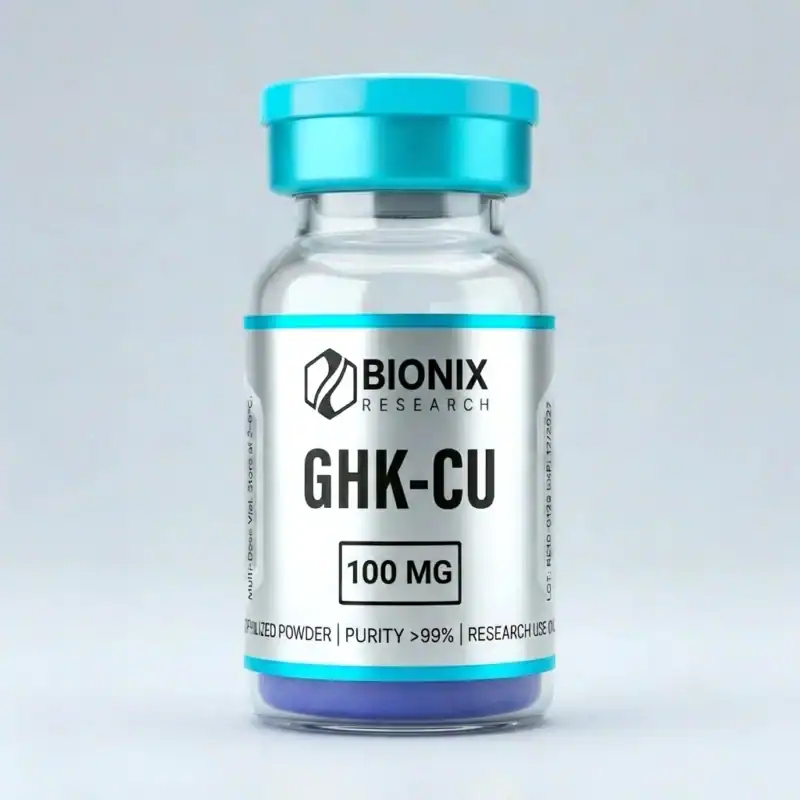
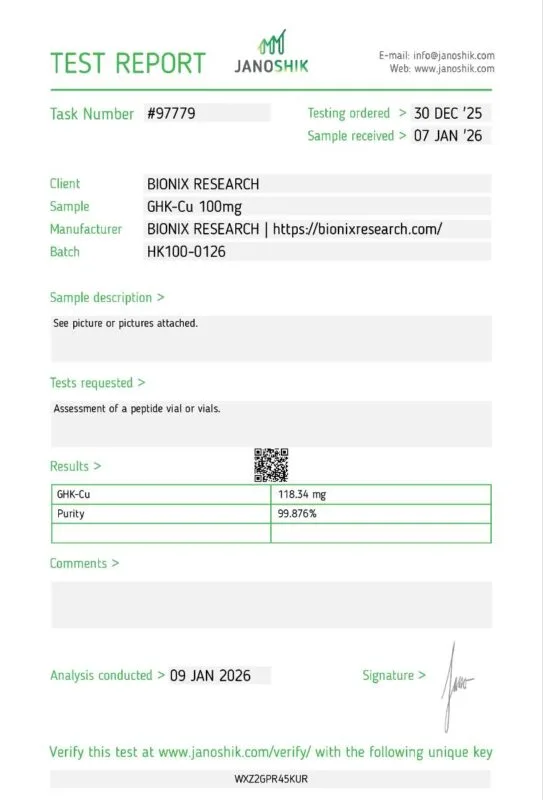
GHK-Cu
29,90 € Vialincl. VAT
plus Shipping Costs
Delivery time: 1–6 Working Days
Mechanism of Action GHK-Cu operates through uniquely diverse pathways:
Copper Binding and Delivery: The peptide binds copper(II) ions while silencing copper's potentially harmful redox activity. This allows non-toxic copper delivery to cells—essential because copper serves as a cofactor for over a dozen vital enzymes.
Cellular Chemoattraction: GHK-Cu attracts immune and tissue cells including mast cells, macrophages, and capillary cells to injury sites. These cells release proteins that stimulate tissue growth while clearing damaged debris.
Collagen and Elastin Synthesis: The peptide stimulates production of Type I and III collagen, elastin, and glycosaminoglycans (including hyaluronic acid). The copper component serves as an essential cofactor for lysyl oxidase and lysyl hydroxylase—enzymes critical for proper collagen cross-linking.
Oxidative Stress Prevention: GHK-Cu blocks ferritin channels and prevents release of tissue-damaging free iron after injury.
Gene Expression Modulation: Research since 2010 reveals GHK-Cu influences expression of numerous genes, potentially "resetting" gene expression patterns toward more youthful profiles.
Current Research Status GHK-Cu is one of the most comprehensively studied regenerative peptides, with documented research across:
- Wound healing acceleration
- Blood vessel and nerve outgrowth
- Skin regeneration and anti-aging applications
- Hair follicle support
The peptide can penetrate the skin's stratum corneum in sufficient quantities to activate regenerative events, making it suitable for both topical and other research applications.
Understanding Cellular Turnover
To appreciate how these peptides work, understanding cellular turnover is essential—the continuous process of cell death and replacement that keeps tissues functional.
The Regeneration Cycle
Damage Detection: The body identifies damaged or aging cells through various signaling molecules.
Immune Response: Macrophages and other immune cells arrive to clear debris and damaged tissue.
Proliferation: Stem cells and progenitor cells multiply to replace lost tissue.
Differentiation: New cells specialize into the appropriate tissue type.
Remodeling: The extracellular matrix reorganizes to support new tissue structure.
Regenerative peptides can potentially support multiple stages of this process—from attracting immune cells to stimulating stem cell proliferation to enhancing matrix remodeling.
Key Differences Between Regenerative Peptides
| Feature | BPC-157 | TB-500 | GHK-Cu |
|---|---|---|---|
| Origin | Synthetic (from gastric protein) | Naturally occurring in cells | Naturally occurring in plasma |
| Size | 15 amino acids | 43 amino acids | 3 amino acids (tripeptide) |
| Primary Mechanism | FAK-paxillin pathway, angiogenesis | Actin sequestration, cell migration | Copper delivery, gene modulation |
| Research Focus | Tendons, muscles, gut | Heart, skin, CNS | Skin, collagen, aging |
| Regulatory Status | Not approved; WADA prohibited | FDA Fast Track (cardiac) | Widely used in cosmetics |
| Age-Related Decline | Not established | Under investigation | ~70% decline (20-60 years) |
What the Research Shows (And What It Doesn't)
Strong Preclinical Evidence
All three peptides demonstrate promising results in animal models and cell studies. BPC-157 shows over 35 positive animal studies for orthopedic applications. TB-500 has documented benefits across multiple organ systems. GHK-Cu demonstrates consistent results in wound healing and collagen synthesis research.
Limited Human Clinical Data
Despite encouraging preclinical results, human clinical trials remain limited. This represents a significant gap between laboratory findings and real-world applications.
Ongoing Investigation
Research continues across multiple fronts. Scientists are exploring mechanisms of action, optimal dosing protocols, and potential therapeutic applications. The longevity and biohacking communities closely follow these developments.
The Bigger Picture: Peptides in Longevity Research
Regenerative peptides represent one piece of the longevity puzzle. They align with a broader shift in medicine—from treating disease to optimizing biological function.
Several factors drive interest in this category:
Natural Signaling: These peptides work with the body's existing communication systems rather than against them.
Targeted Action: Unlike broad-spectrum compounds, peptides often target specific receptors and pathways.
Declining Endogenous Production: Some peptides (like GHK-Cu) decrease naturally with age, suggesting potential for supplementation.
Multiple Mechanisms: The best-researched peptides affect several regenerative pathways simultaneously.
Conclusion: The Future of Cellular Regeneration
The science of cellular repair and regeneration peptides continues to evolve. BPC-157, TB-500, and GHK-Cu represent the most researched compounds in this category—each with distinct mechanisms and applications.
While preclinical research shows promise, the field awaits robust human clinical trials to fully validate these findings. For researchers, scientists, and curious minds, these peptides offer a fascinating window into how the human body heals and regenerates.
The key takeaway? The human body possesses remarkable regenerative capabilities. Understanding the peptides that support these processes opens new possibilities for future research and applications.
Frequently Asked Questions: Peptides for Tissue Repair & Wound Healing
FOUNDATIONAL QUESTIONS
Q: How do peptides help tissue repair at the cellular level?
A: Peptides support tissue repair by acting as signaling molecules that orchestrate multiple phases of the healing process. They work through five primary mechanisms:
Inflammation Modulation – Peptides help regulate cytokine release, balancing the inflammatory response to prevent excessive tissue damage while maintaining necessary immune activity.
Collagen Synthesis Stimulation – They activate fibroblasts (the cells responsible for producing collagen), increasing production of collagen types I, III, and IV essential for structural tissue integrity.
Angiogenesis Promotion – Peptides stimulate endothelial cell proliferation and migration, creating new blood vessels that deliver oxygen and nutrients to healing tissues.
Cell Migration & Proliferation – They enhance the movement and multiplication of keratinocytes, fibroblasts, and endothelial cells necessary for granulation tissue formation.
Extracellular Matrix (ECM) Remodeling – Peptides regulate the balance between matrix metalloproteinases (MMPs) and tissue inhibitors (TIMPs), supporting organized tissue reconstruction rather than excessive scarring.
Unlike conventional medications that often target single pathways, peptides can simultaneously influence multiple repair mechanisms, making them uniquely suited for comprehensive tissue regeneration support.
Q: What is the scientific research behind peptides for wound healing?
A: Peptide wound healing research has expanded significantly over the past two decades, with findings published in peer-reviewed journals including Frontiers in Cell and Developmental Biology, PMC, and specialized wound care publications.
Key Research Findings:
Angiogenic Effects: Studies at Tufts University demonstrated that bioactive peptides promote wound healing through new blood vessel growth and epithelial tissue regeneration.
Matrix-Derived Peptides: Research shows that peptides released during ECM breakdown actively orchestrate healing by modulating inflammation, promoting angiogenesis, and regulating tissue remodeling.
Delivery Innovations: Current research focuses on hydrogel and scaffold systems that enhance peptide retention at wound sites, protect against enzymatic degradation, and sustain therapeutic activity.
Multi-Phase Action: Studies confirm peptides can effectively address all healing phases—from initial inflammation through tissue regeneration—making them versatile therapeutic candidates.
Important Note: While preclinical research (animal models, in vitro studies) is extensive and promising, human clinical trials remain limited. Most peptides discussed are classified as research compounds, not approved therapeutics.
MECHANISM-SPECIFIC QUESTIONS
Q: How does BPC-157 support tissue healing?
A: BPC-157 (Body Protection Compound-157) is a synthetic peptide derived from a naturally occurring protein in gastric juice. Research indicates it supports healing through several interconnected mechanisms:
Primary Actions:
- Angiogenesis Acceleration: Upregulates growth factors (VEGF) that stimulate new blood vessel formation, improving nutrient and oxygen delivery to damaged tissues.
- Fibroblast Activation: Enhances fibroblast activity, increasing collagen production for stronger, more resilient tissue repair.
- Inflammatory Balance: Modulates inflammatory cytokines at injury sites, preventing excessive inflammation while supporting necessary immune responses.
- Growth Factor Expression: Increases expression of various growth factors that coordinate cellular repair activities.
Tissue Applications in Research:
- Tendons and ligaments
- Muscle tissue
- Gastrointestinal lining
- Skin wounds
- Post-surgical recovery
BPC-157 is notable for its "systemic" action—research suggests it may support healing in tissues distant from the administration site, though this remains an area of ongoing investigation.
Q: What makes TB-500 effective for cellular regeneration?
A: TB-500 is a synthetic version of Thymosin Beta-4, a naturally occurring peptide present in virtually all human cells. Its regenerative properties stem from several unique mechanisms:
Core Mechanisms:
- Actin Sequestration: TB-500 binds to actin, a crucial structural protein, regulating cell movement and shape—essential for cells migrating to wound sites.
- Endothelial Cell Activation: Promotes proliferation and migration of cells lining blood vessels, accelerating new vessel formation (angiogenesis).
- Macrophage Recruitment: Enhances immune cell infiltration to clear debris and release growth factors.
- Keratinocyte Migration: Speeds movement of skin cells to close wounds faster (re-epithelialization).
Anti-Scarring Properties: Research indicates TB-500 may limit excessive scarring by:
- Reducing myofibroblast persistence (cells that cause contracture)
- Modulating TGF-β activity (a key fibrosis driver)
- Balancing MMP enzymes for proper ECM remodeling
This makes TB-500 particularly interesting for injuries where minimizing scar tissue is important.
Q: How does GHK-Cu promote collagen synthesis and skin repair?
A: GHK-Cu (Glycyl-L-Histidyl-L-Lysine with copper) is a tripeptide naturally found in human plasma, saliva, and urine. Copper binding significantly enhances its biological activity:
Collagen Synthesis Pathway:
- GHK-Cu activates fibroblast proliferation
- Stimulates increased Type I collagen deposition
- Enhances elastin and glycosaminoglycan production
- Supports overall ECM architecture
Additional Mechanisms:
- Angiogenesis: Promotes dermal microvascular endothelial cell migration for improved blood supply
- Anti-Inflammatory: Modulates inflammatory cytokines for balanced healing
- Antioxidant Gene Activation: Upregulates genes that protect against oxidative damage
- Wound Contraction: Accelerates keratinocyte migration for faster wound closure
Unique Copper Component: The copper ion isn't merely a carrier—it actively enhances GHK's angiogenic and regenerative effects. Copper is essential for enzymes involved in collagen cross-linking (lysyl oxidase) and antioxidant defense (superoxide dismutase).
PRACTICAL APPLICATION QUESTIONS
Q: Can peptides reduce scarring during wound healing?
A: Research suggests certain peptides may help minimize scarring through several mechanisms:
How Scars Form: Scarring occurs when the healing process produces excessive collagen in a disorganized pattern, often driven by prolonged inflammation and overactive myofibroblasts.
Peptide Anti-Scarring Actions:
- TB-500: May limit myofibroblast activity and TGF-β-driven fibrosis
- GHK-Cu: Supports organized collagen deposition rather than chaotic scar tissue
- BPC-157: Modulates inflammation to prevent the prolonged inflammatory state that triggers excessive scarring
MMP/TIMP Balance: Peptides help regulate the balance between matrix metalloproteinases (which break down tissue) and their inhibitors. Proper balance allows for tissue remodeling without excessive scar formation.
Important Consideration: Most evidence comes from preclinical studies. Individual results vary significantly based on wound type, location, depth, and individual healing capacity.
Q: How do peptides compare to traditional wound healing treatments?
A: Peptides offer a different approach compared to conventional treatments:
| Aspect | Traditional Treatments | Peptide Approach |
|---|---|---|
| Mechanism | Often single-target (antibiotics, anti-inflammatories) | Multi-pathway modulation |
| Action | Symptom management | Cellular signaling support |
| Side Effects | Often well-documented | Generally favorable profile in research |
| Delivery | Various (topical, oral) | Injectable, topical, or oral depending on peptide |
| Research Status | FDA-approved, extensive trials | Mostly preclinical, limited human data |
| Availability | Prescription or OTC | Research compound status (most) |
Complementary, Not Replacement: Peptides are not intended to replace evidence-based wound care. They may complement traditional approaches by supporting the body's natural repair mechanisms while standard care addresses infection prevention and wound management.
Q: What role does angiogenesis play in peptide-mediated healing?
A: Angiogenesis—the formation of new blood vessels—is critical for tissue repair, and it's a primary mechanism through which regenerative peptides work.
Why Angiogenesis Matters:
- Oxygen Delivery: New vessels bring oxygen essential for cellular metabolism and collagen synthesis
- Nutrient Transport: Amino acids, glucose, and other building blocks reach healing tissues
- Waste Removal: Metabolic byproducts and debris are cleared efficiently
- Immune Cell Access: Blood vessels provide routes for immune cells to enter wound sites
How Each Peptide Supports Angiogenesis:
| Peptide | Angiogenic Mechanism |
|---|---|
| BPC-157 | Upregulates VEGF, activates endothelial cell proliferation |
| TB-500 | Promotes endothelial migration, supports vessel formation |
| GHK-Cu | Stimulates microvascular endothelial cell activity |
Clinical Relevance: Poor angiogenesis is a key factor in chronic, non-healing wounds. Research into pro-angiogenic peptides represents a significant area of wound healing science.
SAFETY & RESEARCH QUESTIONS
Q: What does current research say about peptide safety for tissue repair?
A: Safety data varies by peptide, but general observations from research include:
Favorable Indicators:
- Peptides are typically composed of naturally occurring amino acid sequences
- Many (BPC-157, TB-500, GHK-Cu) are based on compounds already present in the human body
- Research generally shows favorable tolerability profiles
- Short amino acid chains are typically metabolized efficiently
Limitations to Consider:
- Most safety data comes from animal studies and in vitro research
- Long-term human safety studies are limited
- Individual responses may vary significantly
- Interactions with medications are not fully characterized
Quality Concerns: Since most peptides are available as research compounds, product quality varies dramatically. Contamination, degradation, and inaccurate dosing are real concerns with low-quality sources.
Recommendation: Work with qualified healthcare practitioners and source only from suppliers providing third-party purity verification (HPLC/MS testing, ≥98% purity certificates).
Q: Are peptides for wound healing approved by regulatory agencies?
A: The regulatory status of peptides varies:
Generally Not Approved for Wound Healing:
- BPC-157, TB-500, and most regenerative peptides remain classified as research compounds in the EU, US, and most jurisdictions
- They are not approved drugs for any indication in most Western countries
- Sale is typically permitted "for research purposes only"
Exceptions:
- GHK-Cu: Widely used in approved cosmetic formulations (topical skincare)
- Certain wound-specific peptides: Some matrix-derived peptides are incorporated into approved wound care products
What This Means:
- These compounds are not illegal to possess in most jurisdictions
- They cannot be marketed as treatments for specific conditions
- Medical supervision is advisable for anyone considering their use
- Research continues toward potential future therapeutic approvals
Q: How are regenerative peptides administered for optimal effect?
A: Administration routes vary based on peptide properties and intended use:
Injectable (Subcutaneous/Intramuscular):
- BPC-157: Commonly subcutaneous near injury site or systemically
- TB-500: Typically subcutaneous or intramuscular
- Rationale: Bypasses digestive degradation, higher bioavailability
Topical Application:
- GHK-Cu: Highly effective topically for skin applications
- Specialized Formulations: Hydrogels and scaffolds enhance peptide retention at wound sites
Oral (Emerging):
- BPC-157: Some research suggests oral bioavailability, particularly for GI applications
- Limitations: Digestive enzymes may degrade peptides before absorption
Delivery Innovations: Current research focuses on:
- Sustained-release hydrogel systems
- Nanoparticle encapsulation
- Scaffold-based delivery for wound beds
- These approaches enhance retention and protect against enzymatic breakdown
Q: Can peptides help with chronic or non-healing wounds?
A: Chronic wounds present unique challenges that make them an active area of peptide research:
Why Chronic Wounds Don't Heal:
- Persistent inflammation
- Poor blood supply (inadequate angiogenesis)
- Bacterial biofilms
- Elevated MMP activity degrading new tissue
- Impaired cellular migration
How Peptides May Address These Factors:
| Challenge | Potential Peptide Action |
|---|---|
| Chronic inflammation | Cytokine modulation (BPC-157, GHK-Cu) |
| Poor angiogenesis | VEGF upregulation (BPC-157, TB-500) |
| Impaired cell migration | Actin regulation (TB-500) |
| Excessive MMPs | ECM remodeling support (GHK-Cu) |
| Infection | Antimicrobial peptides (LL-37) |
Research Status: Chronic wound applications represent one of the most promising areas for peptide therapeutics, with multiple clinical trials exploring various peptide-based interventions. However, approved treatments remain limited.
Q: What should I look for in quality peptide products?
A: Quality is critical for both safety and effectiveness:
Essential Quality Markers: ✓ Third-party HPLC/MS testing certificates ✓ Purity ≥98% (ideally ≥99%) ✓ Batch-specific certificates of analysis ✓ Proper cold-chain storage and shipping ✓ GMP-compliant manufacturing ✓ Clear labeling with amino acid sequence verification
Red Flags: ✗ No purity documentation available ✗ Prices significantly below market average ✗ Vague sourcing or manufacturing claims ✗ Improper storage (peptides require refrigeration) ✗ Medical claims on product labels
Storage Requirements:
- Most peptides require refrigeration (2-8°C)
- Reconstituted peptides have limited stability
- Protect from light and repeated freeze-thaw cycles
SUMMARY: Key Takeaways
How Peptides Support Tissue Repair:
- Multi-pathway action: inflammation, collagen, angiogenesis, cell migration, ECM remodeling
- Signaling molecules that coordinate natural healing processes
- Based on naturally occurring compounds in the human body
Research Status:
- Extensive preclinical evidence
- Limited human clinical trials
- Ongoing research toward therapeutic applications
- Most remain classified as research compounds
Practical Considerations:
- Quality sourcing is essential
- Medical supervision recommended
- Complementary to, not replacement for, standard care
- Individual responses vary
Healing & Regenerative Peptide Landscape
THE EMERGING STARS: Mitochondrial & Tissue Repair Peptides
SS-31 (Elamipretide) – The Mitochondrial Optimizer
What it is: A cell-penetrating peptide that targets the inner mitochondrial membrane, making it unique among regenerative peptides.
Mechanism:
- Neutralizes reactive oxygen species directly at the source
- Enhances ATP production efficiency
- Crosses the blood-brain barrier for neurological protection
- Stabilizes cardiolipin in mitochondrial membranes
Key Benefits:
- Reverses age-related cellular energy decline
- Supports brain health and cognitive function
- Reduces systemic oxidative stress
- Accelerates recovery from physical exertion
Research Status: Currently in clinical trials for mitochondrial myopathies. Gaining significant traction in longevity protocols for its targeted approach to cellular aging.
Best For: Biohackers focused on mitochondrial health, cognitive optimization, and cellular energy restoration.
Thymosin Alpha-1 – The Immune Architect
What it is: A 28-amino acid peptide naturally produced by the thymus gland, essential for immune system development and regulation.
Mechanism:
- Enhances T-cell maturation and differentiation
- Increases cytokine production
- Stimulates dendritic cell function
- Modulates immune responses without overstimulation
Key Benefits:
- Restores youthful immune function
- Improves vaccine response in aging individuals
- Supports recovery from chronic infections
- Reduces immune-related inflammatio
Research Status: Approved in over 30 countries for hepatitis B and as an immune adjuvant. Growing body of research for longevity applications.
Best For: Those over 40 seeking immune restoration, individuals recovering from illness, or anyone experiencing immune decline.
GROWTH HORMONE SECRETAGOGUES: The Recovery & Anti-Aging Class
Understanding the GH Peptide Family
Growth hormone secretagogues stimulate your pituitary gland to release natural growth hormone. Unlike synthetic HGH injections, these peptides preserve your body's natural feedback mechanisms while elevating IGF-1 to more youthful levels.
Ipamorelin – The Selective Performer
What it is: A selective growth hormone releasing peptide (GHRP) known for its clean side effect profile.
Mechanism:
- Binds to ghrelin receptors in the pituitary
- Stimulates GH pulses without affecting cortisol or prolactin
- Activates anabolic pathways selectively
Key Benefits:
- Accelerates muscle and tendon recovery
- Promotes fat loss while preserving muscle
- Supports collagen synthesis for joint health
- Minimal appetite stimulation compared to other GHRPs
Research Status: Well-studied with favorable safety data. Considered the "gentlest" of the GHRPs.
Best For: Fitness enthusiasts, recovery-focused athletes, and those new to GH peptides seeking minimal side effects.
CJC-1295 – The Sustained Release Amplifier
What it is: A modified growth hormone-releasing hormone (GHRH) analog with an extended half-life.
Mechanism:
- Prolongs natural GH pulses over 7-10 days
- Amplifies IGF-1 levels in a sustained manner
- Works synergistically with GHRPs (often paired with Ipamorelin)
Key Benefits:
- Enhanced wound healing and tissue repair
- Improved skin elasticity and collagen production
- Better sleep quality and recovery
- Sustained anabolic environment
Research Status: Extensive preclinical data; popular in clinical longevity settings for its convenient dosing schedule.
Best For: Those seeking sustained GH elevation with less frequent dosing. Often stacked with Ipamorelin for synergistic effects.
Sermorelin – The Restoration Pioneer
What it is: The first synthetic GHRH analog, mimicking the body's natural GH-releasing signals.
Mechanism:
- Directly mimics endogenous GHRH
- Restores natural pulsatile GH release patterns
- Stimulates IGF-1 production in the liver
Key Benefits:
- Clinically proven to increase GH and IGF-1 in older adults
- Improves body composition (less fat, more lean mass)
- Enhances sleep architecture
- Supports cardiovascular health markers
Research Status: Most extensively studied GH peptide with FDA approval history. Strong clinical evidence base.
Best For: Adults over 35 experiencing age-related GH decline, those seeking the most well-researched option.
Tesamorelin – The Targeted Fat Reducer
What it is: An FDA-approved GHRH analog specifically designed to reduce visceral adipose tissue.
Mechanism:
- Stabilized GHRH analog with precise fat-targeting action
- Reduces trunk fat while preserving muscle mass
- Modulates lipid profiles
Key Benefits:
- Significant reduction in deep abdominal fat
- Improved metabolic markers
- Better waist-to-hip ratios
- May support liver health
Research Status: FDA-approved for HIV-associated lipodystrophy. Rigorous clinical trial data available.
Best For: Those specifically targeting stubborn visceral fat, metabolic health optimization.
Epithalon (Epitalon) – The Telomere Guardian
What it is: A synthetic tetrapeptide based on Epithalamin, produced by the pineal gland.
Mechanism:
- Activates telomerase enzyme
- Elongates telomeres in cells
- Regulates melatonin production
- May slow cellular senescence
Key Benefits:
- Potential lifespan extension (shown in animal models)
- Improved cellular longevity markers
- Enhanced antioxidant status
- Better circadian regulation
Research Status: Animal studies show lifespan extension; human studies limited but promising.
Best For: Longevity-focused individuals, those specifically targeting cellular aging.
IMPORTANT CONSIDERATIONS
Regulatory Status
Most peptides remain research compounds in the EU. Always:
- Source from verified suppliers with third-party testing
- Work with qualified healthcare practitioners
- Understand the legal status in your jurisdiction
Quality Markers
Look for:
- ≥99% purity certification
- Third-party HPLC/MS testing
- Proper cold-chain storage
- EU-compliant manufacturing (GMP)
Safety First
- Start with single peptides before stacking
- Begin with conservative dosing
- Monitor for individual responses
- Medical supervision recommended for advanced protocols
Peptide Landscape
| Category | Key Peptides | Primary Focus |
|---|---|---|
| The Big Three | BPC-157, TB-500, GHK-Cu | Foundational healing & repair |
| Mitochondrial | SS-31 | Cellular energy |
| Immune | Thymosin Alpha-1, LL-37 | Immune restoration |
| GH Secretagogues | Ipamorelin, CJC-1295, Sermorelin | Recovery & anti-aging |
| Cognitive | Semax, Selank | Neural optimization |
| Sleep | DSIP | Recovery enhancement |
| Fat Loss | AOD-9604, Tesamorelin | Body composition |
| Longevity | Epithalon | Telomere support |
| Topical | Matrixyl, Argireline, GHK-Cu | Skin rejuvenation |
This article is for educational purposes only and does not constitute medical advice. Peptides mentioned are research compounds not approved for human therapeutic use in most jurisdictions. Qualified healthcare professionals should be consulted regarding any health-related decisions.

