


Knowledge Base
Neuroprotection & Cognitive Pathways

The Brain's Vulnerability and Resilience
The human brain contains approximately 86 billion neurons, each forming thousands of connections that create the most complex structure known in the universe. Every thought, memory, and sensation depends on the precise functioning of these intricate neural networks.
Yet the brain faces constant challenges. Oxidative stress, inflammation, metabolic dysfunction, and the simple passage of time gradually erode cognitive function. By age 40, the average human brain begins losing approximately 5% of its volume per decade. Synaptic density declines. Neurotransmitter production slows. The delicate balance that maintains cognitive sharpness becomes increasingly difficult to sustain.
The central question for modern neuroscience: Can this decline be slowed, halted, or even reversed?
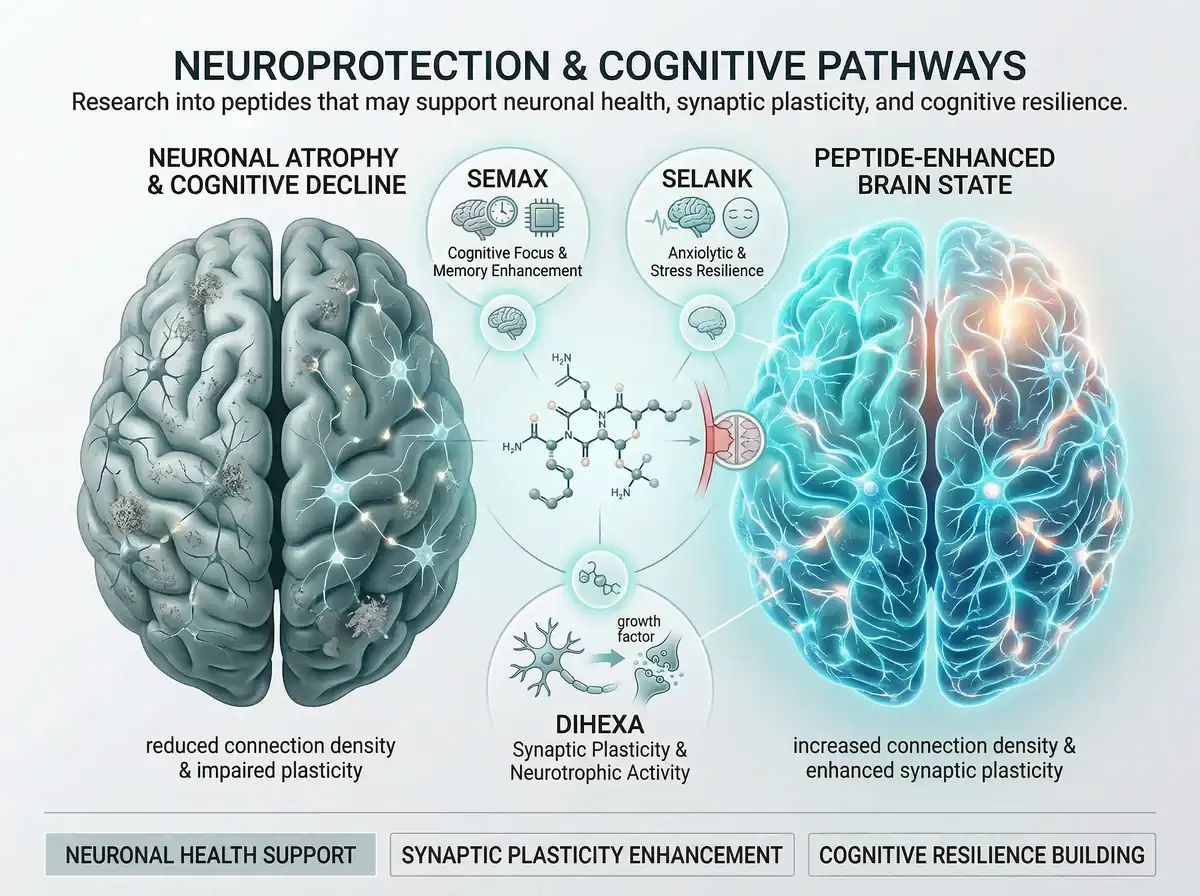
Emerging research into neuroprotective peptides suggests potential pathways. These short chains of amino acids operate through mechanisms distinct from traditional pharmaceuticals, often mimicking endogenous signaling molecules that regulate neuronal survival, plasticity, and repair. Three compounds in particular—Semax, Selank, and Dihexa—have attracted significant scientific attention for their distinct approaches to supporting neuronal health, synaptic plasticity, and cognitive function.
Understanding Neuroprotection: More Than Preventing Damage
Neuroprotection encompasses multiple strategies for preserving neuronal structure and function, extending far beyond simply preventing cell death.
Structurally, this means maintaining neuronal membrane integrity, preserving dendritic spine density, and supporting axonal health and myelin integrity. Functionally, it involves sustaining neurotransmitter synthesis and release, maintaining synaptic efficiency, and preserving long-term potentiation capacity—the cellular basis of learning and memory. Regenerative support adds another dimension entirely: promoting neurogenesis (the formation of new neurons), enhancing synaptogenesis (new synapse formation), and supporting the brain's remarkable capacity for circuit remodeling throughout life.
The three peptides examined in this article address these challenges through fundamentally different mechanisms—offering researchers complementary tools for understanding cognitive preservation.
The BDNF Connection: The Brain's Master Growth Factor
Before examining individual peptides, understanding brain-derived neurotrophic factor (BDNF) is essential. This protein serves as the nervous system's primary growth factor, influencing virtually every aspect of neuronal health.
| Function | Mechanism | Cognitive Relevance |
|---|---|---|
| Neuronal Survival | Activates TrkB receptors, triggering anti-apoptotic pathways | Preserves existing neural networks |
| Synaptic Plasticity | Enhances long-term potentiation (LTP) | Supports learning and memory formation |
| Neurogenesis | Promotes proliferation of neural progenitor cells | Enables new neuron formation in hippocampus |
| Dendritic Growth | Stimulates dendritic branching and spine formation | Increases synaptic capacity |
| Neurotransmitter Regulation | Modulates dopamine, serotonin, and glutamate systems | Supports mood and cognitive processing |
Research published in 2024-2025 confirms the critical relationship between BDNF levels and cognitive outcomes. Higher serum BDNF levels correlate with better cognitive performance across multiple assessment tools. Elevated BDNF predicts reduced risk of post-stroke cognitive impairment. Inflammation markers such as IL-6 and TNF-α inversely correlate with BDNF levels, suggesting that chronic low-grade inflammation accelerates cognitive decline partly through growth factor suppression.
This understanding has driven interest in compounds that may support BDNF expression—a mechanism central to Semax's proposed effects.
Semax: The ACTH-Derived Cognitive Modulator
Origins and Structure
Semax emerged from Soviet-era neuroscience research in the 1980s. Scientists at the Institute of Molecular Genetics of the Russian Academy of Sciences sought to create a compound that would retain the neuroprotective properties of adrenocorticotropic hormone (ACTH) without its hormonal effects.
The result was a synthetic heptapeptide with the sequence Met-Glu-His-Phe-Pro-Gly-Pro—corresponding to ACTH(4-10) with an added Pro-Gly-Pro tripeptide that enhances stability and bioavailability. As a seven-amino-acid peptide modified from an ACTH fragment, Semax offers enhanced metabolic stability compared to native ACTH while carrying no hormonal activity despite its derivation.
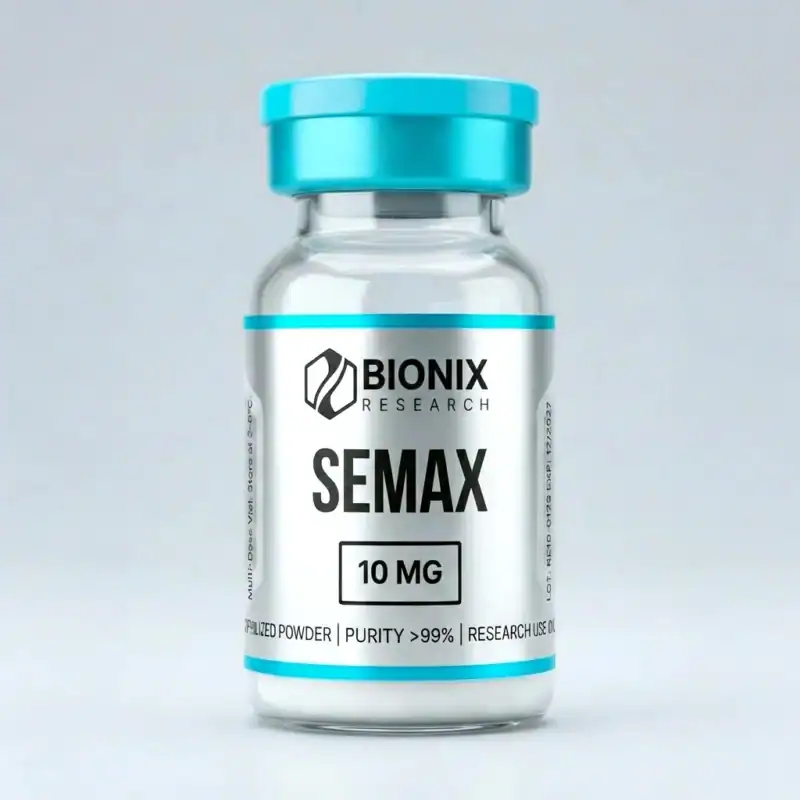
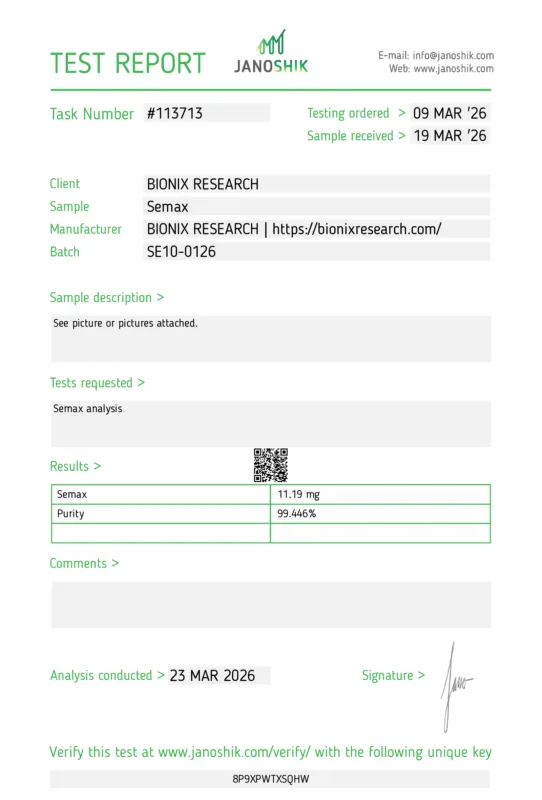
Semax
29,90 € Vialincl. VAT
plus Shipping Costs
Delivery time: 1–6 Working Days
Mechanism of Action
Semax operates through multiple neurobiological pathways that converge on cognitive enhancement and neuroprotection.
BDNF Upregulation: Research demonstrates that Semax significantly increases BDNF expression in the brain. Studies show a 1.4-fold increase in BDNF protein levels in rat hippocampus, a 3-fold increase in exon III BDNF mRNA, and 1.6-fold increase in TrkB receptor phosphorylation. This BDNF enhancement occurs via CREB-dependent transcription, promoting synaptic plasticity, neuronal survival, neurogenesis, and cognitive resilience under stress.
Neurotransmitter Modulation: Semax influences multiple neurotransmitter systems simultaneously. It increases dopamine turnover, supporting motivation and reward processing. It enhances serotonin activity, potentially affecting mood regulation. It may support acetylcholine metabolism, relevant to memory formation and attention.
Gene Expression Changes: Proteomic and transcriptomic studies reveal Semax influences genes involved in neurotransmitter synthesis, synaptic plasticity, neuronal survival pathways, immune regulation, and apoptosis prevention.
Neuroprotective Actions: Semax demonstrates protective effects through antioxidant activity that reduces oxidative stress markers, anti-inflammatory effects that modulate cytokine production, and anti-amyloid properties. Recent 2024-2025 research shows Semax acts as a copper chelator, decreasing Cu(II)-catalyzed amyloid-beta aggregation—a mechanism particularly relevant to Alzheimer's pathology research.
Research Applications
Semax has been studied across various contexts. In stroke and brain injury research, Russian clinical protocols include stroke recovery applications, with research suggesting improved outcomes in cerebrovascular events and potential neuroprotection during hypoxic conditions.
For cognitive enhancement, preclinical models show improved learning and memory, enhanced performance under chronic stress conditions, and potential applications in age-related cognitive decline models.
Recent 2025 research in APP/PS1 mice (an Alzheimer's model) demonstrated improved cognition in behavioral tests including open field, novel object recognition, and Barnes maze assessments. These studies revealed reduced amyloid inclusions in cortex and hippocampus, suggesting potential disease-modifying effects beyond symptomatic improvement.
Administration and Regulatory Status
Semax is typically administered intranasally in research settings. Nasal spray delivery enables direct CNS access via olfactory pathways, bypassing blood-brain barrier limitations and allowing rapid absorption.
Regulatory status varies by jurisdiction. In Russia, Semax is an approved pharmaceutical for neurological conditions including stroke, cognitive impairment, and optic nerve diseases, available by prescription. In the European Union, it is not approved for medical use and is classified as a research compound only. In the United States, it is not FDA approved and is available for research purposes only, though not classified as a controlled substance.
Selank: The Anxiolytic Neuroprotector
Origins and Structure
Selank was developed by the same Russian research institute that created Semax, designed as a synthetic analog of the endogenous immunomodulatory peptide tuftsin. The peptide sequence Thr-Lys-Pro-Arg-Pro-Gly-Pro represents tuftsin with an added Pro-Gly-Pro C-terminal extension that enhances stability and CNS penetration.
Key distinctions from Semax reveal complementary rather than competing applications. While Semax derives from ACTH (hormonal origins) and emphasizes cognitive stimulation through dopaminergic pathways, Selank originates from tuftsin (immunomodulatory) and focuses on anxiolytic effects through GABAergic mechanisms. Where Semax provides an activating profile, Selank offers calming effects without sedation.
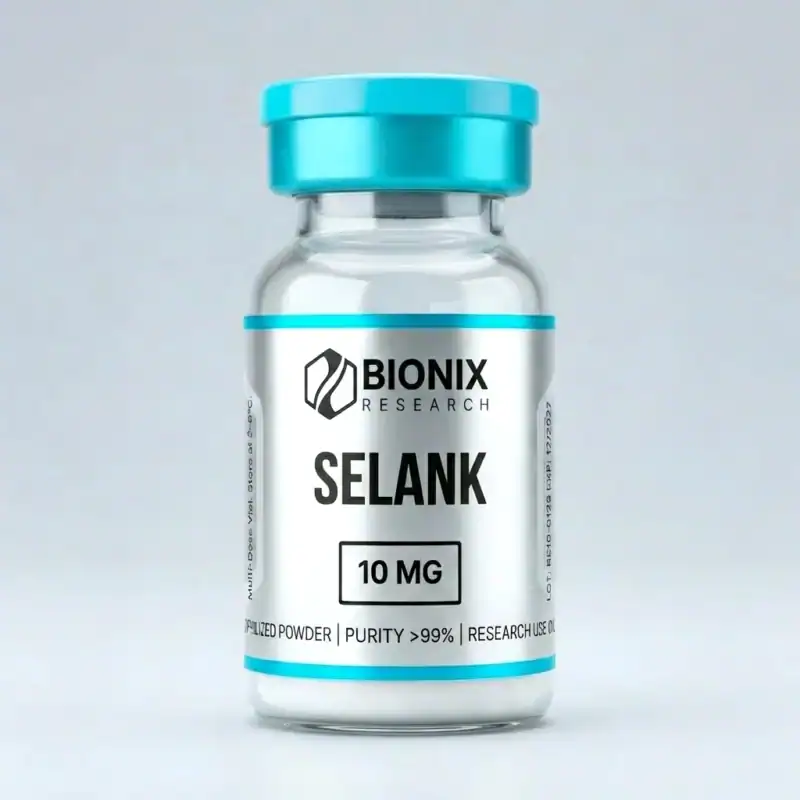
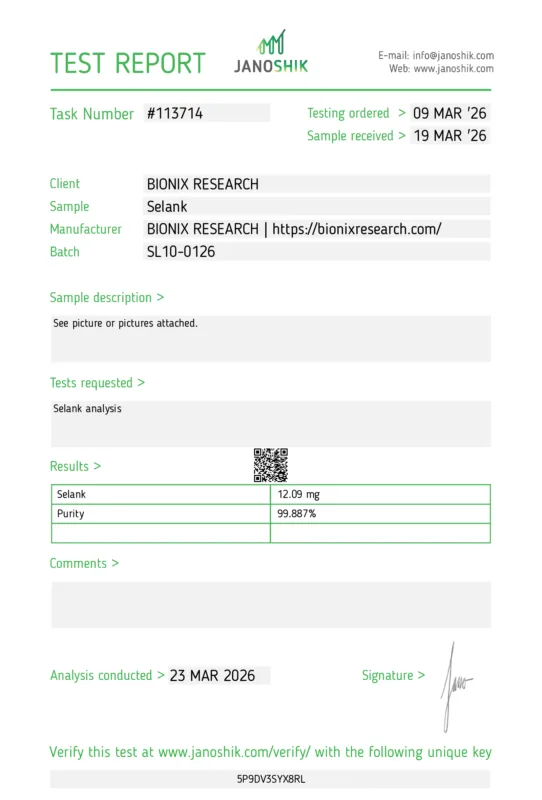
Selank
29,90 € Vialincl. VAT
plus Shipping Costs
Delivery time: 1–6 Working Days
Mechanism of Action
Selank operates through distinct neurobiological pathways compared to Semax, making the pair potentially synergistic in research contexts.
GABAergic Modulation: Selank's anxiolytic effects appear mediated through allosteric modulation of GABA-A receptors, enhancing GABAergic inhibitory transmission to produce benzodiazepine-like anxiolytic activity. Unlike benzodiazepines, however, Selank reportedly does not cause sedation, tolerance development, physical dependence, or cognitive impairment. This profile makes Selank particularly interesting for anxiety-related cognitive dysfunction, where traditional anxiolytics may impair the very functions they seek to preserve.
Monoamine Modulation: Selank influences multiple neurotransmitter systems including serotonin (modulating 5-HT activity for mood regulation), dopamine (secondary dopaminergic effects), and norepinephrine.
Enkephalin Stabilization: Selank inhibits enzymes that degrade enkephalins—endogenous opioid peptides involved in stress response modulation, mood regulation, pain perception, and reward processing. By preserving enkephalin levels, Selank may support natural stress-coping mechanisms.
BDNF Enhancement: Like Semax, Selank increases BDNF expression, though through different upstream mechanisms, supporting neuroplasticity, stress resilience, and cognitive adaptation.
Immunomodulation: Reflecting its tuftsin origins, Selank modulates immune function by altering cytokine production profiles and influencing inflammatory pathways that affect neuroimmune communication.
Research Applications
Selank's primary research focus centers on anxiety and stress. Studies in chronic unpredictable stress models demonstrate anxiolytic effects, while research shows enhancement of diazepam's anxiolytic effects—suggesting potential dose-reduction strategies for benzodiazepines in clinical translation scenarios.
For cognitive function, Selank improves learning and memory in rodent models, particularly when cognitive impairment stems from anxiety or stress. It enhances sensory attention and information processing without the stimulating effects typical of traditional nootropics.
Neuroprotection research indicates protection against oxidative stress, anti-inflammatory effects in neural tissue, and support for neuronal survival under stress conditions.
Administration and Regulatory Status
Like Semax, Selank is typically administered intranasally for optimal bioavailability, though it can be delivered subcutaneously in research protocols. The peptide shows poor oral absorption due to GI degradation.
In Russia, Selank is an approved pharmaceutical for anxiety-asthenic disorders and neurasthenia, with clinical use since the 1990s. In the European Union, it is not approved for medical use and remains a research compound. In the United States, it is not FDA approved, and the 2024 FDA guidance on pharmacy compounding specifically included Selank among peptides of concern due to limited safety data in Western populations and quality control considerations.
Dihexa: The Synaptogenic Powerhouse
Origins and Structure
Dihexa represents a fundamentally different approach to cognitive enhancement. Developed by researchers at Washington State University studying Alzheimer's disease, Dihexa is a small hexapeptide derivative designed to mimic hepatocyte growth factor (HGF). Its chemical designation—N-hexanoic-Tyr-Ile-(6) aminohexanoic amide—reflects its unique structure among cognitive peptides.
Key characteristics include small molecule peptide-like properties, design as an HGF/c-Met pathway activator, oral bioavailability (unusual for peptides), and effective blood-brain barrier penetration.
Mechanism of Action
Dihexa operates through a mechanism distinct from both Semax and Selank, targeting the HGF/c-Met pathway. Hepatocyte growth factor and its receptor c-Met play critical roles in neural development and repair, including neuronal survival (preventing apoptosis in stressed neurons), synaptogenesis (promoting new synapse formation), dendritic spine formation (increasing synaptic capacity), neural stem cell activation (supporting neurogenesis), and axon guidance (facilitating neural circuit formation).
| HGF/c-Met Function | Neurological Relevance |
|---|---|
| Neuronal survival | Prevents apoptosis in stressed neurons |
| Synaptogenesis | Promotes new synapse formation |
| Dendritic spine formation | Increases synaptic capacity |
| Neural stem cell activation | Supports neurogenesis |
| Axon guidance | Facilitates neural circuit formation |
Dihexa acts as an HGF mimetic, binding to c-Met receptors and activating downstream signaling cascades. Its most notable claimed property is facilitating new synapse formation—research descriptions have characterized it as extraordinarily potent, with claims of effects "up to 10 million times more potent" than other cognitive enhancers in certain assays, though such comparisons require careful interpretation.
By promoting dendritic spine development and neural network remodeling, Dihexa theoretically supports learning-related circuit modifications, recovery from neural injury, and compensation for age-related synaptic loss.
Critical Limitations and Safety Concerns
Dihexa's research status is significantly less advanced than Semax or Selank. While preclinical animal studies show cognitive improvements and mechanistic studies confirm HGF/c-Met activation, no human clinical trials exist (Phase 1, 2, or 3). No registered development programs existed as of late 2025, and long-term safety data is entirely absent.
A related compound failure raises serious questions: A Dihexa derivative called fosgonimeton underwent Phase 2/3 clinical trials for Alzheimer's disease. In September 2024, the trial failed to meet its primary endpoints in 312 patients—raising serious questions about whether the HGF-mimetic approach translates from animal models to human disease.
Oncogenic potential represents a significant theoretical concern. The c-Met pathway is a known proto-oncogene. Chronic activation of c-Met signaling has been associated with tumor growth, metastasis, and cancer cell survival. While no cancer cases have been directly attributed to Dihexa research use, the theoretical risk of promoting malignancy through chronic c-Met activation distinguishes Dihexa from the better-characterized Russian peptides.
Dihexa is not approved for any indication in any jurisdiction. It is available only through unregulated gray-market sources for research purposes, carrying substantial quality and safety concerns.
Comparative Analysis: Three Approaches to Neuroprotection
| Characteristic | Semax | Selank | Dihexa |
|---|---|---|---|
| Origin | ACTH(4-10) derivative | Tuftsin derivative | HGF mimetic |
| Primary Mechanism | BDNF upregulation, dopaminergic | GABAergic, anxiolytic | c-Met/HGF synaptogenesis |
| Main Effect | Cognitive enhancement, focus | Anxiety reduction, calm clarity | Synapse formation, neural repair |
| BDNF Impact | Strong direct upregulation | Moderate enhancement | Indirect via neuroplasticity |
| Administration | Intranasal | Intranasal | Oral, injectable |
| Human Clinical Data | Extensive (Russia) | Moderate (Russia) | None |
| Regulatory Approval | Russia only | Russia only | None worldwide |
| Safety Profile | Well-characterized | Well-characterized | Unknown |
| Cancer Concern | Minimal | Minimal | Theoretical (c-Met) |
Complementary Mechanisms
The three peptides address cognitive health through distinct but potentially complementary pathways. Semax provides direct BDNF enhancement for neuroplasticity, dopaminergic support for motivation and focus, and neuroprotection against oxidative and inflammatory stress, including recent anti-amyloid properties through copper chelation.
Selank offers anxiolytic effects without sedation or dependence, GABAergic modulation for stress resilience, and cognitive support when anxiety impairs function, plus immunomodulatory effects.
Dihexa theoretically provides direct synapse formation, dendritic spine development, and neural network remodeling for structural brain repair—though without human validation.
Research Considerations and Limitations
What the science supports: Semax and Selank have decades of clinical use in Russia with established safety profiles. BDNF-enhancing mechanisms are well-characterized for Semax, and GABAergic anxiolytic effects are documented for Selank. Preclinical models show cognitive benefits for all three compounds, and their distinct mechanisms suggest different applications.
What remains unknown: Long-term effects in Western populations (different genetics, lifestyles), optimal dosing for various applications, drug interactions with common medications, effects in combination protocols, and translation of Dihexa's animal data to humans all require further investigation. The cancer risk from chronic c-Met activation (Dihexa) remains a theoretical concern without longitudinal data.
Quality and Purity Concerns
A critical practical issue affects all three peptides. While Semax and Selank are approved in Russia, obtaining pharmaceutical-grade products outside that country is challenging. Research-grade peptides from unregulated sources may have variable purity, incorrect concentrations, contamination with synthesis byproducts, and degradation from improper storage.
Dihexa, available only from unregulated sources worldwide, carries all the above concerns plus no reference standard for comparison, no pharmacopeial specifications, and no quality oversight whatsoever. Health Canada issued a 2025 warning about unauthorized injectable peptide drugs, noting they "may cause infection, allergic reactions, and other poor outcomes" due to quality concerns.
The Regulatory Landscape
Russia: Both Semax and Selank are approved pharmaceuticals. Semax is indicated for stroke, cognitive impairment, optic nerve diseases, and immune support. Selank is indicated for anxiety disorders, neurasthenia, and cognitive enhancement. This represents the most extensive regulatory acceptance of these compounds globally.
European Union: Neither Semax nor Selank holds marketing authorization in any EU member state. They remain classified as research compounds with no approved medical use. Dihexa has no regulatory status whatsoever.
United States: None of the three peptides are FDA approved. The 2024 FDA guidance on pharmacy compounding specifically addressed concerns about certain peptides, including Selank, due to limited safety data in Western populations and quality control concerns.
Summary: The Future of Neuroprotective Peptide Research
Neuroprotective peptides represent an intriguing frontier in neuroscience—offering potential tools for understanding and supporting cognitive function through mechanisms distinct from traditional pharmaceuticals.
Key insights emerge from the current research landscape. BDNF enhancement remains a promising strategy for neuroprotection, with Semax demonstrating the most direct mechanism for upregulating this critical growth factor. Anxiolytic approaches that preserve cognitive function (unlike benzodiazepines) address an important clinical need, with Selank showing this profile in available research. Synaptogenic strategies targeting the HGF/c-Met pathway remain experimental, with Dihexa's potential limited by lack of human data and theoretical safety concerns.
Regulatory divergence between Russia and Western countries creates a complex landscape where decades of clinical experience exists alongside Western regulatory caution. Quality and safety concerns surrounding unregulated peptide sources represent significant practical limitations for research applications.
For the scientific community, these peptides offer valuable research tools for understanding neuroplasticity, stress resilience, and cognitive preservation. However, the gap between preclinical promise and validated human applications remains substantial—particularly for Dihexa.
The conversation between neurons—mediated by growth factors, neurotransmitters, and the synaptic connections these peptides may influence—continues to reveal new insights into the remarkable plasticity of the human brain.
Frequently Asked Questions: Neuroprotective Peptides & Cognitive Health
General Questions About Neuroprotection
Q: What is neuroprotection and why does it matter?
Neuroprotection refers to mechanisms and strategies that preserve the structure and function of neurons—the cells that form the nervous system. This matters because neurons in the adult human brain have limited regenerative capacity, age-related neuronal loss contributes to cognitive decline, neurodegenerative diseases involve progressive neuron death, and preserving existing neurons is often more achievable than replacing lost ones.
Effective neuroprotection addresses multiple factors: oxidative stress (free radicals damage neuronal membranes), inflammation (chronic neuroinflammation accelerates degeneration), excitotoxicity (excessive glutamate signaling), metabolic dysfunction (impaired energy production), and protein aggregation (misfolded proteins disrupting function).
Q: What is BDNF and why is it important for brain health?
Brain-derived neurotrophic factor (BDNF) is a protein functioning as the primary growth factor for central nervous system neurons. It activates anti-apoptotic pathways for neuronal survival, enhances long-term potentiation (the cellular basis of learning), supports hippocampal memory formation, promotes new neuron formation, and regulates mood (low BDNF correlates with depression).
Higher BDNF levels predict better cognitive outcomes after stroke, while BDNF decline correlates with age-related cognitive impairment. Exercise, learning, and certain compounds like Semax can increase BDNF expression.
Q: What are nootropic peptides?
Nootropic peptides are short amino acid chains demonstrating potential effects on cognitive function: memory enhancement, improved focus, enhanced learning capacity, neuroprotection, and stress resilience.
The term defines ideal compounds as those enhancing learning and memory, protecting the brain from injury, improving resistance to adverse conditions, lacking typical psychotropic pharmacology, and having minimal side effects.
Semax-Specific Questions
Q: What is Semax and how does it work?
Semax is a synthetic heptapeptide (Met-Glu-His-Phe-Pro-Gly-Pro) derived from an ACTH fragment. Developed in Russia during the 1980s, it retains ACTH's neuroprotective properties without hormonal effects.
Primary mechanisms include BDNF upregulation (1.4-fold protein increase, 3-fold mRNA increase in hippocampus), neurotransmitter modulation (dopamine and serotonin turnover), gene expression changes (synaptic plasticity and survival pathways), anti-amyloid effects (copper chelation reducing aggregation), and antioxidant activity.
Q: What are the potential benefits of Semax based on research?
Research has examined Semax for stroke recovery (Russian clinical protocols, improved cerebrovascular outcomes), cognitive enhancement (improved learning and memory in animal models, enhanced stress performance), and Alzheimer's models (2025 research showing reduced amyloid deposits and improved cognition in APP/PS1 mice).
Q: What are the side effects of Semax?
Semax is generally well-tolerated with reported effects including nasal irritation (intranasal route), headache, mild dizziness, transient restlessness, and in some studies, elevated blood glucose in diabetic patients (~7.4%) and nasal discoloration (~10%). Contraindications include hypersensitivity and caution advised in hypertension and mood disorders.
Q: Is Semax approved for medical use?
| Region | Status |
|---|---|
| Russia | Approved pharmaceutical (stroke, cognitive impairment, optic nerve diseases) |
| European Union | Not approved; research compound only |
| United States | Not FDA approved; research purposes only |
Selank-Specific Questions
Q: What is Selank and how is it different from Semax?
Selank is a synthetic heptapeptide (Thr-Lys-Pro-Arg-Pro-Gly-Pro) derived from tuftsin. While Semax focuses on cognitive stimulation through BDNF and dopaminergic pathways, Selank emphasizes anxiolytic effects through GABAergic modulation—best for anxiety and calm clarity without sedation.
Q: How does Selank reduce anxiety?
Selank's anxiolytic mechanism involves GABAergic modulation (allosteric enhancement of GABA-A receptors), monoamine modulation (serotonin, dopamine, norepinephrine), enkephalin stabilization (preserving endogenous opioids for stress response), and BDNF enhancement. Unlike benzodiazepines, it reportedly causes no sedation, tolerance, dependence, or cognitive impairment.
Q: Can Selank be combined with other treatments?
Research shows Selank enhances diazepam's anxiolytic effects (suggesting dose-reduction potential). Some protocols combine Semax and Selank for complementary cognitive and anxiolytic effects. However, formal drug interaction studies are limited and medical supervision is recommended.
Dihexa-Specific Questions
Q: What is Dihexa and how does it work?
Dihexa is a small hexapeptide derivative acting as a hepatocyte growth factor (HGF) mimetic. It binds to c-Met receptors, activating pathways promoting synapse formation, dendritic spine development, and neural repair. It is orally bioavailable and crosses the blood-brain barrier effectively.
Q: What does research show about Dihexa's effects?
Preclinical evidence shows cognitive improvements in rodent models and reversal of deficits in Alzheimer's-like conditions. However, no human clinical trials exist, no development programs were registered as of late 2025, and a related compound (fosgonimeton) failed Phase 2/3 trials in September 2024.
Q: Is Dihexa safe?
Dihexa's safety profile is essentially unknown. Theoretical concerns include cancer risk (c-Met is a known proto-oncogene; chronic activation may promote tumor growth). No human dosing studies, long-term safety data, or drug interaction data exists. It carries substantially higher uncertainty than Semax or Selank.
Comparison and Practical Questions
Q: Which neuroprotective peptide is best for memory and learning?
Semax has the strongest research support for memory and learning (direct BDNF upregulation, dopaminergic effects, decades of clinical use). Selank may be preferable when anxiety impairs cognitive function. Dihexa remains experimental with no human validation.
Q: Can these peptides be combined?
Semax and Selank combinations have been used in Russian clinical practice with complementary mechanisms and no reported adverse interactions. Adding Dihexa has no evidentiary support and is not recommended given safety concerns.
Q: How are these peptides typically administered in research?
Semax and Selank are typically administered intranasally (direct CNS access, bypasses blood-brain barrier). Dihexa can be administered orally (rare bioavailability for peptides), subcutaneously, or intranasally.
Q: What natural approaches support neuroprotection?
Evidence-based strategies include physical exercise (increases BDNF, promotes neurogenesis), sleep quality (memory consolidation, metabolic waste clearance), cognitive engagement (neuroplasticity), and nutrition (omega-3s, antioxidants, Mediterranean diet patterns). Established supplements include omega-3 fatty acids, lion's mane mushroom, phosphatidylserine, and Bacopa monnieri.
Safety and Regulatory Questions
Q: Are neuroprotective peptides legal?
| Peptide | Russia | EU | US |
|---|---|---|---|
| Semax | Legal pharmaceutical (prescription) | Legal for research; not approved | Legal for research; not FDA approved |
| Selank | Legal pharmaceutical (prescription) | Legal for research; not approved | Research status; FDA compounding concerns |
| Dihexa | No approvals anywhere | Legal status ambiguous | Unregulated sources only |
Q: Why aren't Semax and Selank approved in Western countries?
Several factors explain the regulatory divergence: different regulatory standards (Russian vs. FDA/EMA requirements), clinical trial requirements (Western approval requires specific designs and documentation), commercial incentives (no patent protection means lack of funding for expensive approval processes), and quality documentation (manufacturing standards may not meet Western pharmacopeial requirements).
Q: What are the risks of using research-grade peptides?
Significant risks include variable purity (<90% vs. pharmaceutical >99%), incorrect concentrations, contamination with synthesis byproducts, bacterial contamination, and degradation from improper storage. Health Canada issued a 2025 warning that unauthorized injectable peptide drugs "may cause infection, allergic reactions, and other poor outcomes."
Summary: Key Takeaways About Neuroprotective Peptides
| Question | Short Answer |
|---|---|
| What are they? | Peptides researched for supporting neuronal health and cognitive function |
| How do they differ? | Semax (BDNF/cognitive), Selank (GABA/anxiolytic), Dihexa (c-Met/synaptogenic) |
| Are they approved? | Russia only (Semax, Selank); Dihexa has no approvals anywhere |
| Are they safe? | Semax/Selank: well-characterized in Russian use; Dihexa: unknown |
| Best for memory? | Semax has strongest evidence |
| Best for anxiety? | Selank (without sedation) |
| Can they be purchased? | Research compounds only; not approved supplements |
| What's the strongest evidence? | Semax has most human data; Dihexa has none |
This article and FAQ are provided for educational purposes only. The peptides discussed are investigational compounds without regulatory approval for medical use in Western countries. They are not approved as dietary supplements. Research applications require appropriate oversight and compliance with applicable regulations.

