


Knowledge Base
Telomere & DNA Research

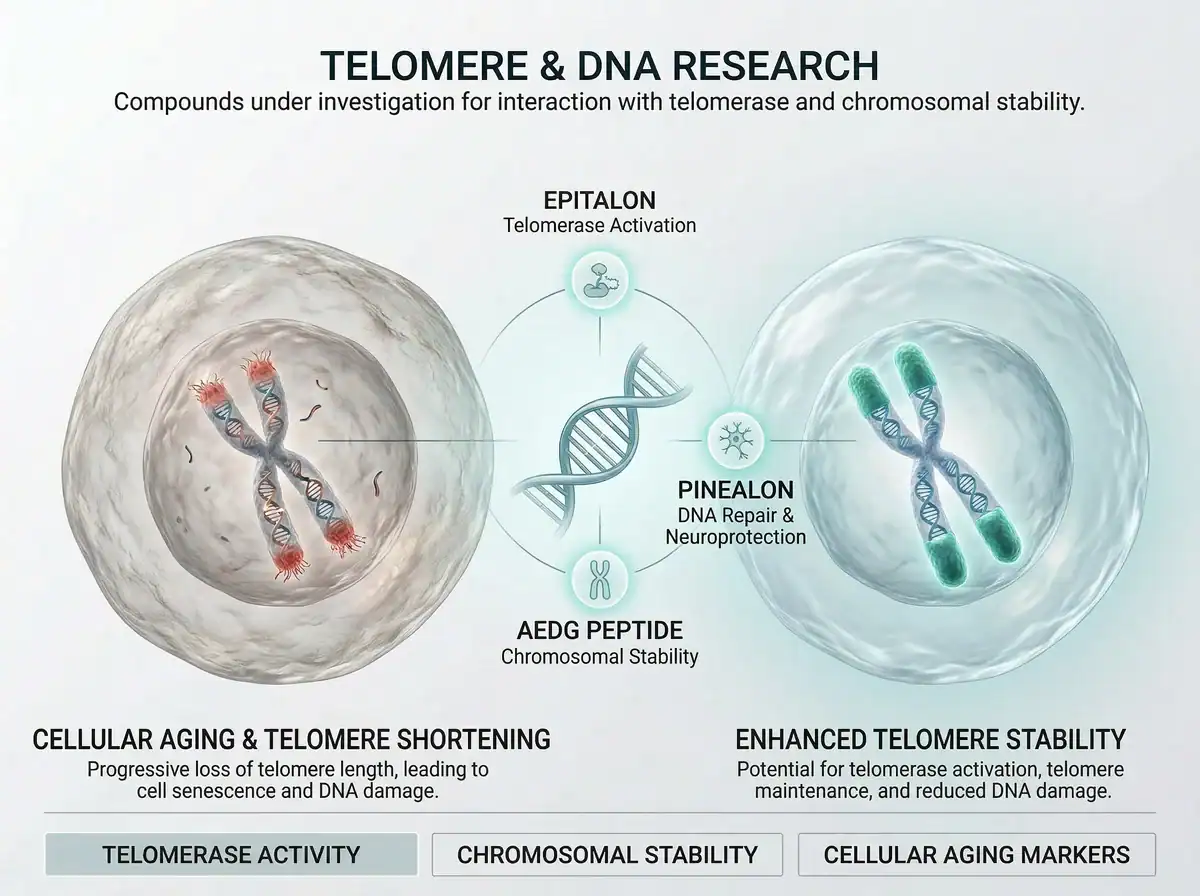
Telomere & DNA Research: The Science Behind Peptides That Influence Cellular Aging Markers
How telomere-targeting peptides and the NAD+-sirtuin axis are being studied for their potential roles in chromosomal stability, telomerase activation, and longevity pathways
The Molecular Clock of Aging
At the end of every chromosome lies a ticking clock—a sequence of repetitive DNA that counts down with each cell division. These structures, called telomeres, represent one of the most fundamental mechanisms connecting cellular biology to the aging process.
Every time a cell divides, its telomeres shorten. When they become critically short, the cell can no longer replicate. It enters a state called senescence—alive but non-functional, secreting inflammatory signals that damage surrounding tissue.
This process, discovered over six decades ago, has become central to understanding why organisms age and what might be done about it.
The numbers tell the story:
- Human cells can divide approximately 40-60 times before reaching their limit (the Hayflick limit)
- Telomeres shorten by approximately 50-200 base pairs with each division
- By age 60, telomere length in many tissues has declined by 25-40% compared to age 20
But what if this clock could be influenced? What if the enzyme that rebuilds telomeres—telomerase—could be reactivated in somatic cells?
This question has driven decades of research into compounds that may support telomere maintenance, with three peptides attracting particular scientific attention: Epitalon, Pinealon, and AEDG peptide. Alongside these direct telomere-targeting approaches, researchers have also discovered important connections between the NAD+-sirtuin axis and telomere biology—revealing how cellular energy metabolism intersects with chromosomal aging.
Understanding Telomeres: The Protective Caps of Chromosomes
What Are Telomeres?
Telomeres are repetitive nucleotide sequences (TTAGGG in vertebrates) that cap the ends of chromosomes. They serve several critical functions:
1. End Protection Without telomeres, chromosome ends would be recognized as DNA damage, triggering repair mechanisms that could cause chromosomal fusions and genomic instability.
2. Replication Buffer DNA polymerase cannot fully replicate chromosome ends—a problem called the "end replication problem." Telomeres provide expendable DNA that can be lost without sacrificing essential genetic information.
3. Gene Silencing Telomeric regions maintain heterochromatin states that prevent unwanted gene expression near chromosome ends.
The Shelterin Complex
Telomeres don't function alone. They're protected by a six-protein complex called shelterin, which:
- Prevents telomeres from being recognized as DNA breaks
- Regulates telomerase access
- Maintains proper telomere structure
- Coordinates DNA damage responses
Disruption of shelterin function can lead to premature cellular senescence even when telomeres retain adequate length—highlighting that telomere health involves more than simple length maintenance.
Telomerase: The Telomere-Rebuilding Enzyme
Telomerase is a ribonucleoprotein enzyme that adds telomeric repeats to chromosome ends. It consists of:
- TERT (Telomerase Reverse Transcriptase): The catalytic protein component
- TERC (Telomerase RNA Component): The RNA template for telomere synthesis
The cellular distribution problem:
Telomerase is active in:
- Germ cells (enabling unlimited reproductive potential)
- Stem cells (supporting tissue regeneration)
- Most cancer cells (enabling immortal proliferation)
Telomerase is largely inactive in:
- Somatic cells (the vast majority of cells in the adult body)
This distribution creates the fundamental tension in telomere biology: reactivating telomerase in somatic cells could theoretically extend cellular lifespan, but uncontrolled telomerase activity is a hallmark of cancer.
The Hayflick Limit: Cellular Mortality Explained
In 1961, Leonard Hayflick discovered that normal human cells have a finite replicative capacity—approximately 40-60 divisions before permanent growth arrest. This "Hayflick limit" was later linked to telomere shortening.
How Telomere Shortening Triggers Senescence
- Progressive Erosion: Each cell division removes 50-200 base pairs from telomeres
- Critical Length Reached: When telomeres become critically short (~5 kilobases), they lose protective structure
- DNA Damage Response: The cell recognizes exposed chromosome ends as double-strand breaks
- p53/p21 Activation: Tumor suppressor pathways halt the cell cycle
- Senescence Entry: The cell enters permanent growth arrest
The Senescence-Associated Secretory Phenotype (SASP)
Senescent cells don't simply stop dividing—they actively secrete inflammatory factors:
| SASP Component | Effect |
|---|---|
| IL-6, IL-8 | Pro-inflammatory signaling |
| MMP-3, MMP-9 | Extracellular matrix degradation |
| VEGF | Abnormal angiogenesis |
| PAI-1 | Disrupted coagulation |
This secretory phenotype:
- Damages neighboring healthy cells
- Promotes chronic inflammation
- Accelerates tissue aging
- May contribute to age-related disease
Understanding senescence explains why telomere research extends beyond simple "length maintenance"—the goal is preventing the cascade of dysfunction that follows telomere erosion.
Epitalon (Epithalon/AEDG Peptide): The Telomerase Activator
Origins and Discovery
Epitalon emerged from decades of research at the St. Petersburg Institute of Bioregulation and Gerontology in Russia. Scientists studying the pineal gland identified a natural peptide extract called epithalamin that appeared to have geroprotective (anti-aging) properties.
To create a more standardized, reproducible compound, researchers synthesized the tetrapeptide Ala-Glu-Asp-Gly (AEDG)—believed to represent the active component of epithalamin.
Key terminology note: Epitalon, Epithalon, Epithalone, and AEDG peptide all refer to the same compound—a synthetic tetrapeptide with the sequence Alanine-Glutamic acid-Aspartic acid-Glycine.

Epithalon
24,90 € Vialincl. VAT
plus Shipping Costs
Delivery time: 1–6 Working Days
Mechanism of Action
Epitalon operates through several proposed mechanisms:
1. Direct Telomerase Activation
Research indicates Epitalon can penetrate cell nuclei and interact directly with DNA:
- Promoter Binding: Epitalon binds to specific sequences (e.g., ATTTC motifs in CAG/ATTTC repeats) in telomerase gene promoter regions
- Chromatin Remodeling: Binding loosens chromatin structure, increasing transcriptional accessibility
- hTERT Upregulation: Expression of telomerase reverse transcriptase increases
- Telomerase Activity: The enzyme becomes functionally active in cells where it was previously silenced
Key Research Finding: In human fetal lung fibroblast studies, Epitalon treatment resulted in:
- ~33% average increase in telomere length
- Cells exceeding 44 population doublings (vs. 34 in controls)
- Maintained youthful cellular morphology
- Preserved proliferative capacity beyond the normal Hayflick limit
2. Epigenetic Modulation
Beyond direct telomerase effects, Epitalon appears to influence gene expression patterns:
- Binds histones (particularly H1/6 and H3)
- Modulates chromatin accessibility
- May restore more "youthful" gene expression patterns
- Influences DNA repair enzyme activity
3. Pineal Gland Effects
As a synthetic analog of pineal-derived epithalamin, Epitalon affects pineal function:
- Melatonin Enhancement: Increases melatonin synthesis and secretion
- Circadian Rhythm Support: May help normalize sleep-wake cycles
- Antioxidant Boost: Melatonin itself is a potent antioxidant
Research Outcomes
Longevity Studies:
Animal research with Epitalon and its parent compound epithalamin has shown:
- Increased mean and maximum lifespan in multiple species
- Reduced tumor incidence in some models
- Improved immune function markers
- Normalized hormonal parameters
Cellular Studies:
In vitro research demonstrates:
- Telomerase activation confirmed via TRAP (telomere repeat amplification protocol)
- Telomere elongation in human fibroblasts and other cell lines
- Gene expression changes favoring cellular repair and survival
- Increased expression of neuronal markers (Nestin, GAP43, β-Tubulin III, Doublecortin) in stem cell models
Limitations and Considerations
Cancer Concern: Because telomerase activation could theoretically promote cancer cell proliferation, this represents a key safety consideration. However:
- No increase in cancer incidence has been observed in available animal studies
- Some studies suggest reduced tumor incidence with epithalamin treatment
- The relationship between therapeutic telomerase activation and cancer risk remains under investigation
Human Data Gaps: Despite decades of research:
- No large-scale Phase 3 clinical trials have been completed
- Most human evidence comes from Russian clinical experience
- Western regulatory approval has not been pursued or obtained
Regulatory Status
Russia: Part of ongoing gerontological research; clinical use documented but formal regulatory status unclear from available sources.
European Union: Not approved for medical use. Research compound only.
United States: Not FDA approved. The FDA has identified immunogenicity concerns with Epitalon. Available only as a research compound.
Pinealon: The Neuroprotective Bioregulator
Structure and Origin
Pinealon is a synthetic tripeptide with the sequence Glu-Asp-Arg (EDR)—shorter than Epitalon's four amino acids. Developed by the same Russian research group, Pinealon was designed as a bioregulator targeting the central nervous system.
Mechanism of Action
Pinealon's small size enables unique properties:
1. Nuclear Penetration
Unlike larger peptides that require membrane receptors:
- Pinealon crosses lipid bilayers directly
- Enters the nucleus without receptor mediation
- Interacts directly with DNA sequences
- Regulates gene transcription at the genomic level
2. Gene Expression Modulation
Pinealon influences genes involved in:
- Neuronal survival and function
- Oxidative stress resistance
- Serotonin synthesis (via 5-tryptophan hydroxylase upregulation)
- Cellular metabolism and repair
3. Neuroprotective Effects
Research demonstrates Pinealon's brain-protective properties:
| Effect | Mechanism | Research Context |
|---|---|---|
| ROS Reduction | Suppresses reactive oxygen species accumulation | Cerebellar granule cells under oxidative stress |
| Anti-Apoptotic | Modulates caspase-3 to inhibit cell death | Hypoxic/ischemic conditions |
| Neurotransmitter Support | Enhances serotonin, dopamine, GABA, acetylcholine pathways | Brain cortex cultures |
| HPA Axis Regulation | Normalizes stress hormone responses | Chronic stress models |
4. Circadian and Pineal Effects
As its name suggests, Pinealon targets pineal gland function:
- Restores melatonin production
- Synchronizes circadian rhythms
- Enhances light-dark cycle responsiveness
DNA Protection Properties
Pinealon's relevance to telomere research stems from its DNA-protective effects:
- Direct genome interaction enabling gene regulation
- ROS suppression reducing oxidative DNA damage
- Support for irisin expression (which may influence telomere stability)
- Enhancement of cellular repair mechanisms
While Pinealon doesn't directly activate telomerase like Epitalon, its protection of genomic integrity contributes to the broader goal of chromosomal stability.
Research Status
Preclinical Evidence:
- Protection against prenatal hypoxia in rat offspring
- Reduced apoptosis in ischemic stroke models
- Enhanced cell viability in cerebellar granule cells
- DNA penetration confirmed in HeLa cell studies
Human Data:
- No published clinical trials in Western literature
- Russian clinical experience reported but limited documentation available
- Generally considered well-tolerated based on available data
Safety Profile
Pinealon demonstrates a favorable safety profile in available research:
- No severe adverse effects reported in organism studies
- Potential for allergic reactions (as with any peptide)
- Injection site reactions possible with subcutaneous administration
- Long-term safety data limited
Regulatory Status
All Jurisdictions: Pinealon is not approved as a pharmaceutical in the US, EU, or other major regulatory territories. It remains classified as a research compound.
The NAD+-Sirtuin-Telomere Axis: A Crucial Connection
Why NAD+ Matters for Telomere Biology
While Epitalon and Pinealon directly target telomeres or DNA, another pathway significantly influences telomere maintenance: the NAD+-dependent sirtuin system.
NAD+ (nicotinamide adenine dinucleotide) is a coenzyme present in every cell of the human body, essential for:
- Energy metabolism (ATP production)
- DNA repair
- Gene expression regulation
- Sirtuin enzyme activation
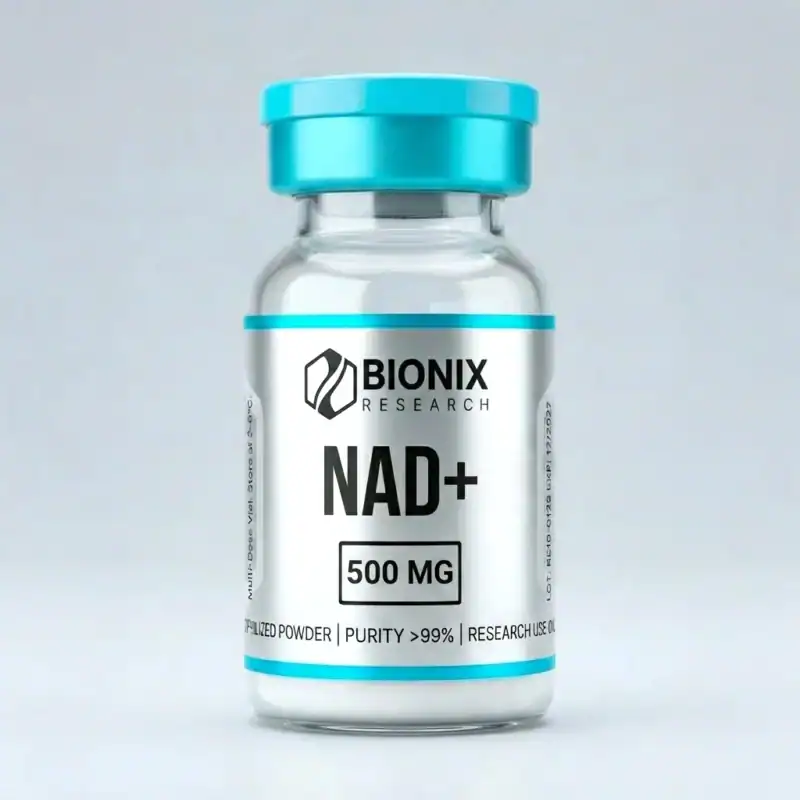
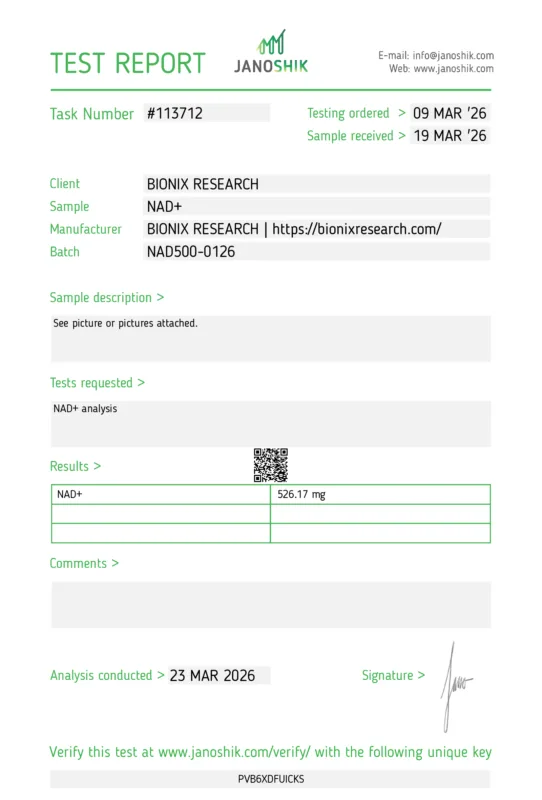
NAD+
59,90 € Vialincl. VAT
plus Shipping Costs
Delivery time: 1–6 Working Days
The Sirtuin Family and Telomeres
Sirtuins are NAD+-dependent deacetylases—enzymes that remove acetyl groups from proteins, altering their function. Two sirtuins in particular influence telomere biology:
SIRT1:
- Regulates telomerase activity
- Modulates TERT expression
- Supports DNA repair mechanisms
- Influences cellular stress responses
SIRT6:
- Directly associates with telomeric chromatin
- Maintains telomere structure and function
- Essential for proper shelterin complex function
- Prevents telomere dysfunction and cellular senescence
Critical Point: Without adequate NAD+, sirtuins cannot function. As NAD+ levels decline with age (by approximately 50% between ages 40 and 60), sirtuin activity diminishes—potentially accelerating telomere-related aging.
Research Evidence
2020 NIH Study: Research using nicotinamide riboside (an NAD+ precursor) demonstrated:
- Alleviated telomere damage in human cells from dyskeratosis congenita patients
- Protective effects on DNA integrity
- Prevented cellular senescence in telomerase-deficient models
2025 Research: Combining NAD+ precursors (NR) with N-acetylcysteine (NAC) showed potential to slow telomere shortening—suggesting synergistic effects between antioxidant support and NAD+ repletion.
Werner Syndrome Models: NAD+ repletion extended lifespan and delayed aging features in Werner syndrome (premature aging) models, with effects attributed partly to improved telomere function.
Integrating NAD+ with Telomere-Targeting Strategies
The NAD+-sirtuin-telomere connection suggests that optimal telomere support may require addressing multiple pathways:
| Target | Compound/Approach | Mechanism |
|---|---|---|
| Direct Telomerase Activation | Epitalon | hTERT upregulation, telomere elongation |
| DNA/Genome Protection | Pinealon | ROS reduction, gene expression modulation |
| Sirtuin Activation | NAD+ precursors (NMN, NR) | SIRT1/SIRT6 support for telomere maintenance |
| Oxidative Defense | Antioxidants | Reduced telomeric DNA damage |
This multi-target approach reflects the complexity of telomere biology—no single intervention addresses all mechanisms of telomere erosion.
Comparative Analysis: Telomere-Targeting Compounds
| Characteristic | Epitalon (AEDG) | Pinealon (EDR) | NAD+ Precursors |
|---|---|---|---|
| Structure | Tetrapeptide (4 AA) | Tripeptide (3 AA) | Small molecules |
| Primary Target | Telomerase/hTERT | CNS/DNA protection | Sirtuins (SIRT1/6) |
| Telomere Effect | Direct elongation | Indirect protection | Indirect via sirtuins |
| Mechanism | Gene promoter binding | Nuclear DNA interaction | Enzyme cofactor |
| Pineal Connection | Strong (melatonin ↑) | Strong (circadian regulation) | Minimal direct |
| Administration | Injectable | Injectable/nasal | Oral (NMN, NR) |
| Human Data | Limited (Russian) | Very limited | Growing clinical evidence |
| Regulatory Status | Research only | Research only | Supplements (NMN, NR) |
Safety Considerations and Current Limitations
Epitalon Safety Profile
Reported Side Effects (Generally Mild):
- Injection site reactions (redness, swelling, pain)
- Headaches (transient, 1-2 hours)
- Fatigue or drowsiness
- Dizziness
- Nausea
- Mood changes
- Sleep disturbances
Serious Concerns:
- Immunogenicity: FDA has identified potential for immune reactions against the peptide
- Cancer Risk: Theoretical concern due to telomerase's role in cancer; not confirmed in available studies
- Quality Issues: Research-grade products lack pharmaceutical quality controls
Contraindications:
- Pregnancy/breastfeeding (insufficient safety data)
- Active or suspected cancer (requires physician evaluation)
Pinealon Safety Profile
Reported Effects:
- Generally well-tolerated in available research
- Potential for allergic reactions
- Injection site reactions possible
- Long-term data lacking
NAD+ Precursor Safety
NAD+ precursors (NMN, NR) have more extensive human safety data:
- Generally recognized as safe at typical doses
- Mild GI symptoms in some individuals
- Flushing at high doses (particularly with niacin)
- Long-term studies ongoing
Quality and Purity Concerns
A critical issue for all research peptides:
- Research-grade vs. Pharmaceutical-grade: Most available Epitalon and Pinealon is research-grade with variable purity
- Contamination Risk: Synthesis byproducts, bacterial contamination, degradation products
- No Standardization: No pharmacopeial specifications exist
- Source Reliability: Unregulated supply chains create quality uncertainty
The Regulatory Landscape
Current Status Summary
| Compound | Russia | European Union | United States |
|---|---|---|---|
| Epitalon | Research use | Not approved | Not approved; FDA safety concerns |
| Pinealon | Research use | Not approved | Not approved |
| NAD+ Precursors | Available | Supplement status | Supplement status (NR, NMN) |
Why No Western Approval?
Several factors explain the regulatory gap:
- Different Approval Standards: Russian regulatory requirements differ from FDA/EMA
- Clinical Trial Requirements: Western approval requires specific trial designs and documentation
- Commercial Incentives: Without patent protection, funding for expensive trials is limited
- Safety Documentation: Manufacturing and quality documentation may not meet Western standards
- Historical Context: Compounds developed in Soviet-era research weren't designed for Western pathways
Summary: The Future of Telomere Research
Telomere biology represents one of the most fundamental aspects of cellular aging—and one of the most challenging to therapeutically address.
Key Insights:
Telomere shortening is a driver of aging, triggering cellular senescence and the inflammatory SASP response that accelerates tissue deterioration
Multiple approaches exist for supporting telomere health:
- Direct telomerase activation (Epitalon)
- Genomic protection (Pinealon)
- Sirtuin support via NAD+ (NMN, NR)
The NAD+-sirtuin-telomere axis reveals important connections between cellular energy metabolism and chromosomal aging
Significant research gaps remain:
- Limited human clinical trial data for peptides
- Unknown long-term safety profiles
- Cancer risk questions unresolved
- Quality control challenges with available compounds
Regulatory divergence between Russia and Western countries creates a complex landscape where decades of clinical observation exist alongside Western regulatory caution
For researchers and those following developments in longevity science, telomere-targeting compounds offer valuable tools for understanding cellular aging mechanisms. However, the translation from promising preclinical data to validated human interventions remains an ongoing challenge.
The chromosomal clock continues to tick—but the scientific effort to understand and potentially influence it advances steadily.
Frequently Asked Questions: Telomeres, DNA Research & Longevity Peptides
Comprehensive answers to common questions about telomere biology, Epitalon, Pinealon, AEDG peptide, and the NAD+-sirtuin connection
General Questions About Telomeres and Aging
Q: What are telomeres and why do they matter for aging?
A: Telomeres are repetitive DNA sequences (TTAGGG repeated thousands of times) that cap the ends of chromosomes in every cell of the human body. They serve as protective buffers that:
- Prevent chromosome ends from being recognized as DNA damage
- Allow for DNA replication without losing essential genetic information
- Maintain genomic stability
Why they matter for aging:
- Telomeres shorten with each cell division (50-200 base pairs per division)
- When critically short, cells can no longer divide and enter senescence
- Senescent cells secrete inflammatory factors (SASP) that damage surrounding tissue
- Telomere length correlates with biological age and disease risk
Research has established telomere shortening as one of the "hallmarks of aging"—fundamental processes that drive age-related decline across tissues and organs.
Q: What is the Hayflick limit?
A: The Hayflick limit, discovered by Leonard Hayflick in 1961, refers to the finite number of times a normal human somatic cell can divide—approximately 40-60 divisions before permanent growth arrest (senescence).
Key points:
- Named after the researcher who challenged the belief that cells could divide indefinitely
- Directly linked to telomere shortening
- Represents a fundamental constraint on cellular lifespan
- Can be bypassed by telomerase activation (as in stem cells and cancer cells)
- Different cell types may have different limits
The Hayflick limit explains why the human body cannot simply regenerate indefinitely—each tissue has finite regenerative capacity determined partly by telomere length in its progenitor cells.
Q: What is telomerase and why isn't it active in all cells?
A: Telomerase is the enzyme that rebuilds telomeres by adding TTAGGG repeats to chromosome ends. It consists of two main components:
- TERT: The protein catalytic subunit
- TERC: The RNA template
Why it's not universally active:
Telomerase is active in:
- Germ cells (sperm, eggs) – enabling reproductive continuity
- Stem cells – supporting tissue regeneration
- Cancer cells (~90%) – enabling unlimited proliferation
Telomerase is largely inactive in:
- Most adult somatic cells
The evolutionary explanation: Limiting telomerase activity in somatic cells may serve as a tumor suppressor mechanism. Cells that can't divide indefinitely can't become cancerous as easily. This represents an evolutionary trade-off between cancer prevention and longevity.
This is why telomerase-activating compounds are both promising (for anti-aging) and concerning (for cancer risk)—reactivating telomerase could theoretically extend cellular lifespan but might also enable malignant proliferation.
Q: Can lifestyle factors affect telomere length?
A: Yes, research has identified several lifestyle factors associated with telomere length:
Factors associated with longer telomeres:
- Regular physical exercise
- Healthy diet (Mediterranean-style patterns)
- Adequate sleep
- Stress management practices
- Social connection and support
- Maintaining healthy body weight
Factors associated with shorter telomeres:
- Chronic psychological stress
- Smoking
- Excessive alcohol consumption
- Obesity
- Sedentary lifestyle
- Poor diet quality
- Sleep deprivation
Important context:
- These associations don't prove causation
- Genetics also significantly influence telomere length
- Lifestyle modifications may slow shortening rather than lengthen telomeres
- Individual variation is substantial
Lifestyle optimization represents the foundation of any telomere-health strategy, regardless of interest in more experimental interventions.
Epitalon-Specific Questions
Q: What is Epitalon and how does it work?
A: Epitalon (also spelled Epithalon or Epithalone) is a synthetic tetrapeptide with the amino acid sequence Ala-Glu-Asp-Gly (AEDG). Developed by Russian researchers as a synthetic version of the pineal peptide epithalamin, it's studied primarily for telomerase activation.
Mechanism of action:
- Nuclear penetration: Enters cell nuclei
- Promoter binding: Binds specific DNA sequences in telomerase gene promoters
- Chromatin remodeling: Loosens chromatin structure for increased gene access
- hTERT upregulation: Increases expression of telomerase reverse transcriptase
- Telomerase activation: Results in functional telomerase activity
- Telomere elongation: Demonstrated ~33% increase in cell culture studies
Additional effects:
- Melatonin synthesis enhancement (pineal gland connection)
- Epigenetic modulation (histone binding)
- Potential antioxidant effects
Q: What evidence supports Epitalon's effects on telomeres?
A: The evidence base includes:
In Vitro Studies:
- Human fetal fibroblasts showed telomere elongation (~33% average)
- Cells exceeded normal Hayflick limit (44+ doublings vs. 34 controls)
- Telomerase activation confirmed via TRAP assay
- HeLa cell studies demonstrated nuclear binding mechanisms
Animal Studies:
- Increased mean and maximum lifespan in multiple species
- Reduced tumor incidence in some models
- Improved immune function parameters
- Normalized age-related hormonal changes
Human Evidence:
- Limited to Russian clinical observations
- 2002 study with 162 patients reported no serious side effects
- No large-scale Western clinical trials completed
Limitations:
- Most robust data comes from cell cultures and animal models
- Human studies lack Western regulatory oversight
- Long-term human safety data insufficient
- Quality of available Epitalon variable
Q: Is Epitalon the same as AEDG peptide?
A: Yes. Epitalon, Epithalon, Epithalone, and AEDG peptide all refer to the same compound—a synthetic tetrapeptide with the sequence:
Ala-Glu-Asp-Gly (Alanine - Glutamic Acid - Aspartic Acid - Glycine)
The different names reflect:
- Epitalon/Epithalon/Epithalone: Brand/common names derived from "epithalamin"
- AEDG: Scientific abbreviation using single-letter amino acid codes
When purchasing or researching, these names are interchangeable.
Q: What are Epitalon's side effects?
A: Based on available research, Epitalon is generally well-tolerated with a low toxicity profile. Reported side effects include:
Common (Mild, Temporary):
- Injection site reactions (redness, swelling, mild pain)
- Headaches (typically resolve within 1-2 hours)
- Fatigue or drowsiness
- Dizziness or lightheadedness
- Nausea
Less Common:
- Sleep disturbances
- Mood changes or irritability
- Appetite changes
- Gastrointestinal discomfort
Serious Concerns:
- Immunogenicity: FDA has identified potential for immune reactions
- Cancer risk: Theoretical concern due to telomerase activation (not confirmed in studies)
Contraindications:
- Pregnancy/breastfeeding
- Active or suspected cancer (requires physician evaluation)
Most side effects resolve within 24-48 hours. The 2002 clinical study with 162 patients reported no serious adverse events.
Q: Does Epitalon cause cancer?
A: This is a legitimate concern that requires nuanced consideration:
The theoretical risk:
- Telomerase is active in ~90% of cancers
- Telomerase activation enables unlimited cell division
- Therefore, activating telomerase could theoretically promote cancer
What research shows:
- No increase in cancer incidence observed in animal studies
- Some studies suggest reduced tumor incidence with epithalamin/Epitalon
- The relationship may be more complex than simple "telomerase = cancer"
Important distinctions:
- Cancer cells typically have many mutations beyond telomerase activation
- Telomerase activation alone may not be sufficient to cause cancer
- The level of telomerase activation from Epitalon may differ from cancer-associated levels
Current understanding: The cancer question remains unresolved. Long-term human studies that could definitively answer this question have not been conducted. This represents one of the most significant unknowns in telomerase-targeting research.
Pinealon-Specific Questions
Q: What is Pinealon and how is it different from Epitalon?
A: Pinealon is a synthetic tripeptide with the sequence Glu-Asp-Arg (EDR)—shorter than Epitalon's four amino acids.
| Characteristic | Epitalon (AEDG) | Pinealon (EDR) |
|---|---|---|
| Length | 4 amino acids | 3 amino acids |
| Sequence | Ala-Glu-Asp-Gly | Glu-Asp-Arg |
| Primary Target | Telomerase activation | CNS/neuroprotection |
| Telomere Effect | Direct elongation | Indirect (DNA protection) |
| Main Application | Anti-aging/longevity | Brain health/neuroprotection |
Pinealon's approach: Rather than directly activating telomerase, Pinealon protects genomic integrity through:
- Reducing reactive oxygen species (ROS)
- Modulating gene expression for DNA repair
- Supporting neuronal survival
- Regulating circadian rhythms via pineal gland effects
Q: What does Pinealon do for the brain?
A: Pinealon demonstrates several neuroprotective properties in research:
Neuronal Protection:
- Reduces cell death in hypoxic/ischemic conditions
- Suppresses ROS accumulation in cerebellar neurons
- Modulates caspase-3 to inhibit apoptosis
Neurotransmitter Support:
- Enhances serotonin synthesis (5-tryptophan hydroxylase upregulation)
- Supports dopamine, GABA, and acetylcholine pathways
- Optimizes neurotransmitter balance
Stress Resilience:
- Normalizes HPA axis function
- Reduces cortisol dysregulation
- Supports cognitive function under stress
Circadian Regulation:
- Restores melatonin production
- Synchronizes sleep-wake cycles
- Enhances pineal gland function
These effects position Pinealon as a brain-protective peptide that may indirectly support DNA integrity through reduced oxidative damage.
NAD+ and Telomere Questions
Q: How does NAD+ affect telomere health?
A: NAD+ influences telomere maintenance primarily through the sirtuin pathway:
The NAD+-Sirtuin-Telomere Connection:
NAD+ is essential for sirtuin function
- Sirtuins are NAD+-dependent enzymes
- Without NAD+, sirtuins cannot work
SIRT1 regulates telomerase
- Modulates TERT expression
- Influences telomerase activity
- Supports DNA repair
SIRT6 maintains telomere structure
- Associates directly with telomeric chromatin
- Essential for shelterin complex function
- Prevents telomere dysfunction
NAD+ declines with age
- ~50% reduction between ages 40-60
- Reduced NAD+ = reduced sirtuin activity = compromised telomere maintenance
Research evidence:
- NAD+ precursor (NR) reduced telomere damage in human cells
- NR + NAC combination may slow telomere shortening
- Werner syndrome models showed improved outcomes with NAD+ repletion
Q: Should I take NAD+ precursors for telomere health?
A: NAD+ precursors (NMN, NR) represent one of the more accessible interventions for supporting the NAD+-sirtuin-telomere axis:
Advantages over peptides:
- Available as dietary supplements (in most jurisdictions)
- More extensive human safety data
- Oral administration (no injections)
- Established quality standards available
- Growing clinical evidence base
Considerations:
- Effects on telomeres are indirect (via sirtuins)
- Not a direct telomerase activator like Epitalon
- Individual response varies
- Optimal dosing still being studied
Practical approach: NAD+ precursors may be a more conservative starting point for those interested in telomere support, given their better-characterized safety profile and regulatory status compared to research peptides.
Safety and Regulatory Questions
Q: Are telomere peptides safe?
A: Safety profiles vary by compound and available evidence:
Epitalon:
- Generally well-tolerated in available research
- Mild, temporary side effects most common
- FDA has identified immunogenicity concerns
- Theoretical cancer risk unresolved
- Long-term human data insufficient
Pinealon:
- Safe profile in available preclinical studies
- Limited human data
- Allergic reactions possible
- Long-term effects unknown
NAD+ Precursors:
- Most extensively studied in humans
- Generally recognized as safe
- Mild GI effects possible
- Growing long-term data
Quality Concerns (All Peptides):
- Research-grade products variable purity
- No pharmaceutical standards
- Contamination risk from unregulated sources
- Quality directly affects safety
Q: Are Epitalon and Pinealon legal?
A: Legal status depends on jurisdiction and intended use:
United States:
- Not FDA approved for any indication
- Legal to purchase for research purposes
- Not approved for human therapeutic use
- Not classified as controlled substances
European Union:
- Not approved for medical use
- Research compound status
- National regulations may vary
Russia:
- Part of ongoing gerontological research
- Clinical use documented
- Regulatory status differs from Western systems
Important distinction: "Legal to purchase for research" does not mean approved for personal use. Research compounds are intended for laboratory investigation, not self-administration.
Q: Where do Epitalon and Pinealon come from?
A: Both peptides were developed at the St. Petersburg Institute of Bioregulation and Gerontology in Russia, primarily through the work of Professor Vladimir Khavinson and colleagues.
Historical context:
- Research began in Soviet era
- Originally studied pineal gland extracts (epithalamin)
- Synthesized active peptide fragments for standardization
- Decades of Russian research and clinical observation
- Limited penetration into Western scientific mainstream
Current availability: Most Epitalon and Pinealon available internationally comes from:
- Research chemical suppliers
- Peptide synthesis companies
- Quality varies significantly by source
- No pharmaceutical-grade products widely available
Practical Questions
Q: How are telomere peptides administered?
A: Administration routes vary:
Epitalon:
- Subcutaneous injection: Most common research protocol
- Intramuscular injection: Alternative route
- Intravenous: Some protocols (less common)
- Typical research cycles: 10-20 days
Pinealon:
- Subcutaneous injection: Primary route
- Intranasal: Some formulations available
- Generally shorter peptide = potentially better nasal absorption
NAD+ Precursors:
- Oral: Standard route for NMN and NR supplements
- Sublingual: Some formulations for improved absorption
- Intravenous: NAD+ infusions (clinical settings)
Peptides generally have poor oral bioavailability due to digestive degradation, which is why injectable routes predominate in research.
Q: What lifestyle factors support telomere health naturally?
A: Before considering any intervention, foundational lifestyle factors significantly impact telomere biology:
Exercise:
- Regular aerobic exercise associated with longer telomeres
- May increase telomerase activity acutely
- Reduces oxidative stress on DNA
- Supports NAD+ metabolism
Nutrition:
- Mediterranean diet patterns linked to telomere preservation
- Antioxidant-rich foods (colorful vegetables, berries)
- Omega-3 fatty acids
- Avoiding processed foods and excess sugar
Sleep:
- Sleep deprivation accelerates telomere shortening
- Circadian rhythm disruption affects cellular repair
- Quality matters as much as quantity
Stress Management:
- Chronic stress strongly associated with shorter telomeres
- Meditation shows positive effects in some studies
- Social connection and support protective
Avoid:
- Smoking (strongly linked to telomere shortening)
- Excessive alcohol
- Chronic sleep deprivation
- Sedentary lifestyle
- Obesity
These interventions are accessible, evidence-based, and form the foundation of any telomere-health strategy.
Q: Can telomere length be measured?
A: Yes, several methods exist for measuring telomere length:
Available Tests:
- qPCR-based assays: Most common commercial tests; measure average telomere length relative to reference
- Terminal Restriction Fragment (TRF): Laboratory gold standard; more complex
- Flow-FISH: Measures individual cell telomere length; research settings
- STELA: Single telomere length analysis; highly accurate but labor-intensive
Commercial Testing: Several companies offer consumer telomere testing, though:
- Results represent averages across white blood cells
- Significant variation between tests and time points
- Clinical utility debated
- Not diagnostic for any condition
Considerations:
- Telomere length is one biomarker among many
- Single measurements have limited value
- Trends over time more meaningful than single points
- Lifestyle factors may have greater practical relevance than precise measurement
Summary: Key Takeaways About Telomere Research
| Question | Short Answer |
|---|---|
| What are telomeres? | Protective DNA caps on chromosome ends that shorten with age |
| Why do they matter? | Short telomeres trigger cellular senescence and aging |
| What is Epitalon? | Synthetic peptide that may activate telomerase |
| What is Pinealon? | Synthetic peptide for neuroprotection and DNA protection |
| How does NAD+ relate? | Supports sirtuins that maintain telomere function |
| Are these peptides approved? | No Western regulatory approvals; research compounds only |
| Are they safe? | Generally well-tolerated; long-term data limited |
| What's the cancer risk? | Theoretical concern; not confirmed in available studies |
| What works naturally? | Exercise, nutrition, sleep, stress management |
This article and FAQ are provided for educational purposes only. The peptides discussed are investigational compounds without regulatory approval for medical use in Western countries. They are not approved as dietary supplements. Research applications require appropriate oversight and compliance with applicable regulations.

