

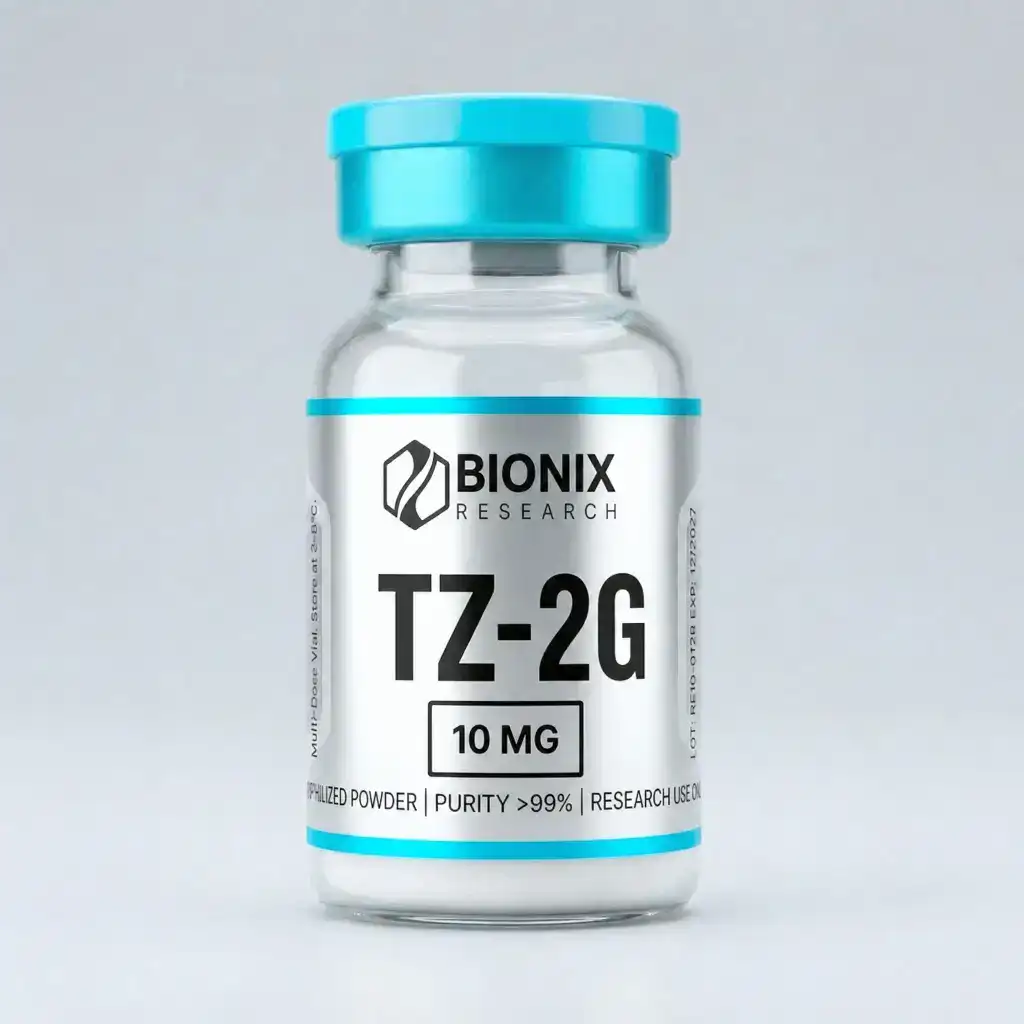

TZ 2G
79,90 € Vial
5% off when paying with cryptocurrency
incl. VAT plus Shipping Costs
- Synthetic 39-amino acid peptide characterized as a dual agonist at the GLP-1 and GIP receptors ("twincretin"), supplied as a tool compound for incretin pathway research.
- Structural modifications include Aib² and Aib¹³ for reduced DPP-4 susceptibility, and a C20 fatty diacid at Lys²⁰ mediating reversible albumin binding.
- Purity ≥99% (HPLC-verified), documented per batch in a lot-specific Certificate of Analysis.
- Supplied as lyophilized powder, 10 mg per vial.
- Research applications: incretin receptor pharmacology, cAMP signal transduction, comparative agonism studies, analytical method development.
- Store at −20 °C. For research use only. Not for human or veterinary use.
| Quantity | Price | Discount |
|---|---|---|
| 11-20 | 67,91 € Vial | 15% |
| 21+ | 63,92 € Vial | 20% |
Delivery time: 1–6 Working Days
RESEARCH USE ONLY. For laboratory research use only. Not a drug, food, cosmetic, or medical device. Not for human or veterinary use, diagnostic use, or any form of administration. Handling restricted to qualified personnel in a controlled laboratory environment.
Key Specifications
| Parameter | Specification |
|---|---|
| Type | Synthetic dual incretin mimetic (twincretin) |
| Target Receptors | GLP-1R + GIPR |
| Sequence Length | 39 amino acids |
| Molecular Formula | C225H348N48O68 |
| Molecular Weight | 4,813.45 Da |
| CAS Number | 2023788-19-2 |
| Key Modifications | Aib², Aib¹³, Lys²⁰-C20 fatty diacid, C-terminal amide |
| Form | Lyophilized powder |
| Appearance | White to off-white lyophilized powder |
| Purity | ≥99% (HPLC), per batch-specific Certificate of Analysis |
| Quantity | 10 mg |
| Storage | −20 °C |
Product Overview
TZ Peptide is a synthetic 39-amino acid peptide characterized as a dual agonist at the glucagon-like peptide-1 receptor (GLP-1R) and the glucose-dependent insulinotropic polypeptide receptor (GIPR). This dual-receptor profile — described in the literature as a "twincretin" — combines the binding determinants of two incretin systems in a single sequence.
The peptide carries three structural modifications relevant to its physicochemical behaviour: α-aminoisobutyric acid (Aib) at positions 2 and 13, which sterically hinders DPP-4 cleavage; a C20 fatty diacid conjugated at lysine-20 via a hydrophilic linker, which mediates reversible albumin binding; and C-terminal amidation.
Biochemical Profile
| Property | Value |
|---|---|
| Sequence | Tyr-Aib-Glu-Gly-Thr-Phe-Thr-Ser-Asp-Tyr-Ser-Ile-Aib-Leu-Asp-Lys-Ile-Ala-Gln-Lys(γ-Glu-AEEA-AEEA-C20 diacid)-Ala-Phe-Val-Gln-Trp-Leu-Ile-Ala-Gly-Gly-Pro-Ser-Ser-Gly-Ala-Pro-Pro-Pro-Ser-NH2 |
| Molecular Formula | C225H348N48O68 |
| C-Terminus | Amidated (–NH2) |
Structural Modifications
- Aib² and Aib¹³ — non-coded residues whose quaternary α-carbon introduces steric hindrance at the DPP-4 recognition site, reducing susceptibility to enzymatic cleavage.
- Lys²⁰-C20 fatty diacid — eicosanedioic acid attached through a γ-Glu-(AEEA)2 hydrophilic linker, conferring reversible albumin binding. Extended plasma residence associated with this modification is described in published pharmacokinetic literature.
- C-terminal amidation — the C-terminus is present as the carboxamide rather than the free acid.
Receptor Pharmacology
The following summarizes established incretin receptor biology as reported in the scientific literature. It describes the receptor systems this reagent is used to investigate.
GLP-1R and GIPR are class B G-protein-coupled receptors. Agonist binding promotes Gs coupling, adenylyl cyclase activation and intracellular cAMP accumulation, followed by PKA-mediated phosphorylation events. In pancreatic beta-cell models this signalling axis is associated with glucose-dependent modulation of insulin secretion.
Compounds engaging both receptors are described in the literature as dual incretin agonists. Comparative characterization of dual versus single-receptor engagement at the assay level is an active area of published in vitro research.
Research Applications
Supplied as a reference standard and tool compound for in vitro and preclinical investigation.
- Incretin Receptor Pharmacology — binding affinity determination, cAMP accumulation assays, β-arrestin recruitment, receptor internalization kinetics.
- Signal Transduction — Gs/cAMP/PKA pathway characterization in transfected cell lines and primary islet preparations.
- Comparative Agonism — dual- versus single-receptor engagement as a methodological comparator.
- Structure–Activity Studies — contribution of Aib substitution and lipidation to protease resistance and albumin binding in vitro.
- Peptide Chemistry and Analytics — reference material for HPLC and MS method development, stability and degradation studies.
All applications are limited to controlled laboratory research environments.
Analytical Verification
Each batch is released against a lot-specific Certificate of Analysis documenting:
- RP-HPLC — purity determination by optimized gradient separation
- ESI-MS — molecular weight confirmation and verification of Aib residues and C20 diacid conjugation
- Amino acid analysis — composition verification
- Peptide content quantification
- Residual solvent screening
Stability
| Condition | Data |
|---|---|
| Lyophilized, −20 °C | Stable for 24 months |
| Reconstituted solutions | Reduced stability; store frozen in single-use aliquots |
| Light exposure | Protect from light |
| Freeze–thaw | Avoid repeated cycles |
Regulatory Status
TZ Peptide is supplied exclusively as a research reagent for laboratory use and is not placed on the market for therapeutic, diagnostic or consumer applications.
Frequently Encountered Inquiries
How does TZ Peptide differ from single-target incretin mimetics?
TZ Peptide engages both GLP-1R and GIPR, whereas single-target compounds engage GLP-1R alone. This makes it useful as a comparator in receptor-level studies of dual versus single-receptor engagement.
What are the key structural modifications?
Aib residues at positions 2 and 13 hinder DPP-4 cleavage. Lysine-20 carries a C20 fatty diacid (eicosanedioic acid) through a γ-Glu-(AEEA)2 hydrophilic linker, mediating albumin binding. The C-terminus is amidated.
What research applications are appropriate?
Incretin receptor pharmacology, signal transduction characterization, structure–activity studies, and analytical method development. All applications limited to controlled laboratory environments.
What are the storage requirements?
Lyophilized material is stable for 24 months at −20 °C. Reconstituted solutions show reduced stability and should be aliquoted and frozen. Protect from light and avoid repeated freeze–thaw cycles.
Is a Certificate of Analysis provided?
Yes. Each batch ships with a lot-specific CoA documenting HPLC purity, MS identity confirmation and peptide content.
| Dosage | 10mg, 20mg, 40mg, 50mg, 5mg |
|---|
Product safety
Safety instructions
SAFETY DATA SHEET (SDS)
TZ Peptide — Research-Grade Lyophilized Powder (RUO)
CAS Number: 2023788-19-2
Synonyms: GLP-1/GIP dual receptor agonist, twincretin
REACH: Not subject to registration at quantities below 1 tonne per year (scientific research and development)
SECTION 1 — Identification
1.1 Product Identifier: TZ Peptide — Lyophilized Powder
CAS 2023788-19-2 · EC number: not assigned · Index number: not assigned
1.2 Identified Uses: Analytical-grade peptide for in-vitro laboratory research. Research Use Only (RUO).
Uses advised against: Human or veterinary use, administration in any form, diagnostic use, food, cosmetic or consumer applications.
1.3 Supplier:
BIONIX RESEARCH — [legal entity]
[full postal address — required]
[telephone number — required]
info@bionixresearch.com
1.4 Emergency Telephone: [24 h emergency / national poison centre — required]
General emergency (EU): 112
SECTION 2 — Hazards Identification
2.1 Classification: Based on available data, the classification criteria of Regulation (EC) No 1272/2008 (CLP) are not met. No GHS pictograms, signal word or hazard statements required.
2.2 Label elements: None required under CLP.
2.3 Other hazards:
- Pharmacologically active compound — handle with appropriate care
- Avoid dust formation and inhalation
- Avoid contact with eyes and skin
- Laboratory use only
- Not assessed as PBT or vPvB (no data available)
SECTION 3 — Composition / Information on Ingredients
Substance (not a mixture).
| Property | Value |
|---|---|
| Substance | TZ Peptide |
| CAS | 2023788-19-2 |
| EC number | Not assigned |
| Molecular Formula | C225H348N48O68 |
| Molecular Weight | 4,813.45 Da |
| Purity | ≥99% (HPLC) |
| Form | Lyophilized powder |
| Structure | 39-amino acid peptide with Aib², Aib¹³ and C20 fatty diacid at Lys²⁰ |
| Impurities | None present at concentrations requiring classification |
SECTION 4 — First-Aid Measures
Inhalation: Move to fresh air. Rinse mouth and nose. Seek medical attention if symptoms persist.
Skin Contact: Remove contaminated clothing. Wash affected area thoroughly with soap and water. Seek medical attention if irritation develops or persists.
Eye Contact: Rinse cautiously with clean water for at least 15 minutes. Remove contact lenses if present and easy to do. Continue rinsing. Seek medical attention if irritation persists.
Ingestion: Rinse mouth thoroughly. Do not induce vomiting. Seek medical advice immediately due to pharmacological activity.
Most important symptoms: Accidental systemic exposure may produce pharmacological effects, including hypoglycaemia, nausea and gastrointestinal disturbance.
Notes to Physician: This substance is a pharmacologically active GLP-1/GIP receptor agonist. Treat symptomatically. Monitor blood glucose following significant exposure. No specific antidote available.
SECTION 11 — Toxicological Information
Acute Toxicity: No toxicological data available for this material. Low acute toxicity anticipated based on peptide nature.
Routes of Exposure:
- Inhalation: Dust may cause respiratory tract irritation
- Skin: May cause mild irritation; systemic absorption of a pharmacologically active compound cannot be excluded
- Eyes: May cause irritation
- Ingestion: May cause gastrointestinal effects; pharmacological activity possible
Pharmacological Activity: This substance is a potent GLP-1/GIP receptor agonist. Incretin receptor activation is associated in the literature with glucose-dependent modulation of insulin secretion, glucagon release and gastric motility. Accidental exposure may therefore result in pharmacological effects, including hypoglycaemia, nausea or gastrointestinal disturbance.
Chronic Toxicity: No data available.
Carcinogenicity: No data available for this substance. Not listed by IARC, NTP or OSHA.
Germ Cell Mutagenicity: No data available.
Reproductive Toxicity: No data available.
STOT (single / repeated exposure): No data available.
Aspiration Hazard: Not applicable.
SECTION 5 — Fire-Fighting Measures
Extinguishing Media: CO2, dry chemical, foam, or water spray.
Unsuitable Media: None known.
Specific Hazards: Organic peptide powder; non-flammable under normal conditions. Thermal decomposition may release carbon monoxide, carbon dioxide and nitrogen oxides.
Firefighter Protection: Self-contained breathing apparatus and full protective clothing.
SECTION 6 — Accidental Release Measures
Personal Precautions: Avoid dust formation. Wear appropriate PPE including gloves, respiratory protection and eye protection. Ensure adequate ventilation.
Environmental Precautions: Prevent release into drains, waterways or soil.
Containment / Cleanup: Collect powder carefully using appropriate tools, avoiding dust generation. Transfer to a sealed, labelled waste container. Clean contaminated surfaces with water.
SECTION 7 — Handling and Storage
Handling:
- Use only in laboratory settings with appropriate engineering controls
- Minimize dust formation
- Wear standard PPE (gloves, lab coat, eye protection)
- Avoid inhalation, ingestion and skin contact
- Handle powder in a fume hood or well-ventilated area
- Wash hands thoroughly after handling
Storage:
- Store at −20 °C in the original sealed vial
- Protect from light, heat and humidity
- Keep container tightly closed
- Store away from oxidizing agents
- Research use only
Reconstituted solutions: Reduced stability compared with lyophilized material. Store refrigerated (2–8 °C) for short-term handling, or aliquot and store frozen. Protect from light. Avoid repeated freeze–thaw cycles.
SECTION 8 — Exposure Controls / Personal Protection
Exposure Limits: No occupational exposure limits established.
Engineering Controls: Local exhaust ventilation or fume hood when handling powder.
| Protection | Recommendation |
|---|---|
| Hands | Nitrile gloves (double gloving recommended) |
| Eyes | Safety glasses or goggles to EN 166 |
| Skin | Lab coat, long sleeves |
| Respiratory | FFP2/N95 or higher when handling powder |
Hygiene Measures: Wash hands thoroughly after handling. Do not eat, drink or smoke in the work area.
SECTION 9 — Physical and Chemical Properties
| Property | Value |
|---|---|
| Appearance | White to off-white lyophilized powder |
| Odour | None |
| Odour threshold | Not determined |
| Melting point | Not determined (decomposes before melting) |
| Boiling point | Not applicable |
| Flash point | Not applicable |
| Evaporation rate | Not applicable |
| Flammability | Not classified as flammable |
| Vapour pressure / density | Not applicable |
| Relative density | Not determined |
| Solubility | Soluble in aqueous buffers |
| Partition coefficient (log Pow) | Not determined |
| Auto-ignition temperature | Not determined |
| Decomposition temperature | Not determined |
| Viscosity | Not applicable |
| Explosive / oxidising properties | None expected |
| Stability | Stable at −20 °C; sensitive to heat and moisture |
SECTION 10 — Stability and Reactivity
Reactivity: No hazardous reactions under normal conditions of use.
Chemical Stability: Stable under recommended storage conditions (−20 °C, sealed, protected from light).
Conditions to Avoid: Heat, moisture, air exposure, repeated freeze–thaw cycles, prolonged light exposure.
Incompatible Materials: Strong oxidizing agents, strong acids, strong bases.
Hazardous Decomposition Products: Carbon monoxide, carbon dioxide, nitrogen oxides.
SECTION 12 — Ecological Information
Ecotoxicity: No data available. Significant environmental risk not expected at research quantities.
Persistence / Degradability: Expected to be biodegradable as a peptide. No test data available.
Bioaccumulative Potential: Not expected to bioaccumulate.
Mobility in Soil: Water soluble; may be mobile in soil.
PBT / vPvB Assessment: Not performed; no data available.
Other Adverse Effects: Prevent release into water systems, drains or soil.
SECTION 13 — Disposal Considerations
Disposal Method: Dispose in accordance with local, regional and national regulations for laboratory chemical waste and pharmacologically active compounds.
Contaminated Packaging: Dispose as chemical waste. Do not reuse containers.
Special Precautions: Do not dispose via household waste or sewer systems. Incineration at a licensed facility is recommended.
SECTION 14 — Transport Information
| Regulation | Classification |
|---|---|
| ADR (Road) | Not regulated |
| IMDG (Sea) | Not regulated |
| IATA (Air) | Not regulated |
| UN Number | Not assigned |
| Proper Shipping Name | Not applicable |
| Hazard Class | Not applicable |
| Packing Group | Not applicable |
| Environmental hazards | Not classified as marine pollutant |
Special Precautions: Ship in an insulated container with cold packs. Label as "Research Use Only — Not for Human Use".
SECTION 15 — Regulatory Information
EU Regulations:
- Not subject to registration under REACH (EC) No 1907/2006 at quantities below 1 tonne per year
- Based on available data, does not meet the classification criteria of CLP Regulation (EC) No 1272/2008
- Not authorised as a medicinal product in the EU. Supplied exclusively as a research reagent and not placed on the market for therapeutic use.
Other Regulations:
- Not a controlled substance
- Not listed under the Rotterdam Convention
- Not listed under the Stockholm Convention
Chemical Safety Assessment: Not performed.
Product Status: Research Use Only. Not approved for human or veterinary therapeutic, diagnostic or cosmetic applications.
SECTION 16 — Other Information
Revision Date: [insert date]
Version: 1.1 — supersedes version 1.0
Abbreviations: CLP — Classification, Labelling and Packaging · GHS — Globally Harmonized System · PPE — Personal Protective Equipment · RUO — Research Use Only · HPLC — High-Performance Liquid Chromatography · Aib — α-Aminoisobutyric acid · PBT — Persistent, Bioaccumulative, Toxic · vPvB — very Persistent, very Bioaccumulative · STOT — Specific Target Organ Toxicity
References: CLP Regulation (EC) No 1272/2008 · REACH Regulation (EC) No 1907/2006
Disclaimer: This Safety Data Sheet is intended for trained laboratory personnel handling research-grade materials. The information is based on current knowledge at the date of issue. It does not signify suitability for therapeutic, diagnostic or consumer applications. Users must make their own assessment of the material's suitability for their specific purposes.
BIONIX RESEARCH — info@bionixresearch.com
For Research Use Only. Not for human or veterinary use.
Frequently bought together

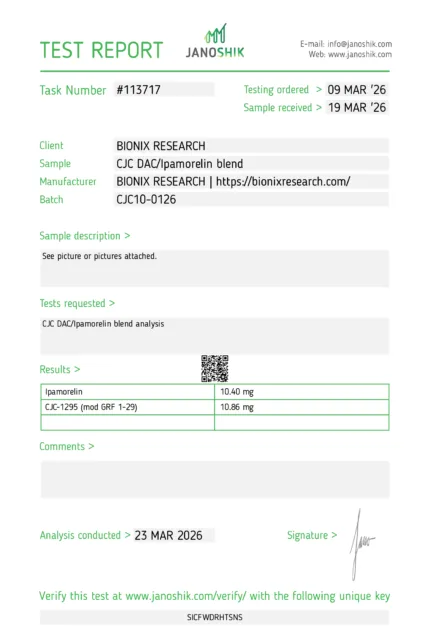
CJC-1295 + Ipamorelin Blend
69,90 € Vialincl. VAT
plus Shipping Costs
Delivery time: 1–6 Working Days
You may also like…

Bacteriostatic (BAC) Water
9,90 € Vialincl. VAT
plus Shipping Costs
Delivery time: 1–6 Working Days
Related products

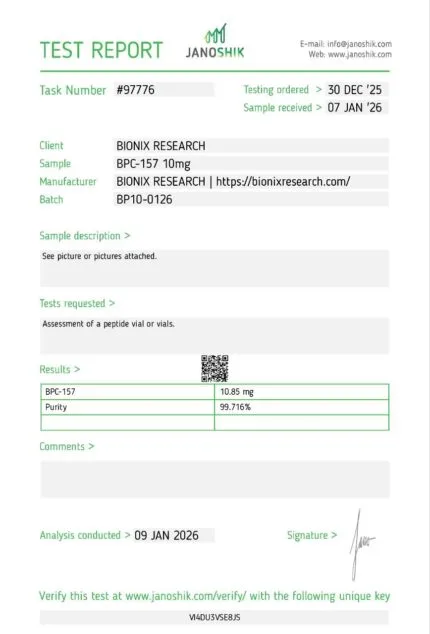
BPC-157
24,90 € Vialincl. VAT
plus Shipping Costs
Delivery time: 1–6 Working Days

BPC-157 & TB-500 Blend (Wolverine Stack)
49,90 € Vialincl. VAT
plus Shipping Costs
Delivery time: 1–6 Working Days
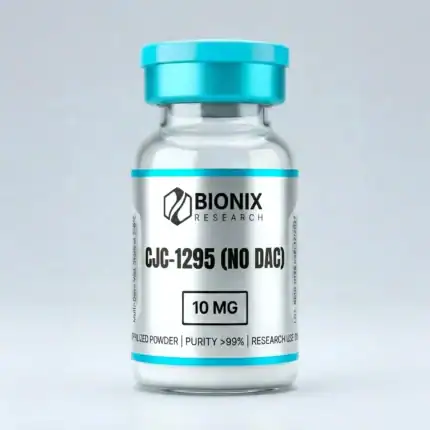
CJC-1295 No DAC
54,90 € Vialincl. VAT
plus Shipping Costs
Delivery time: 1–6 Working Days
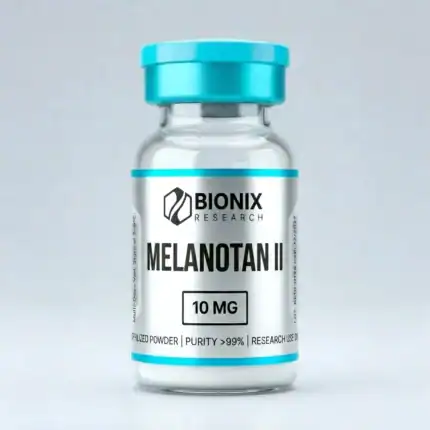
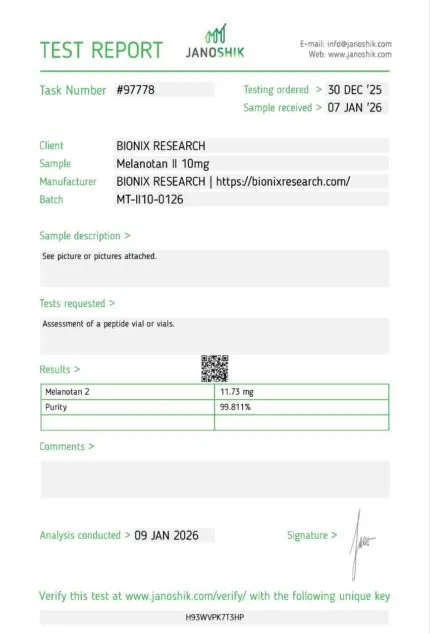
Melanotan 2 (MT-II)
19,90 € Vialincl. VAT
plus Shipping Costs
Delivery time: 1–6 Working Days
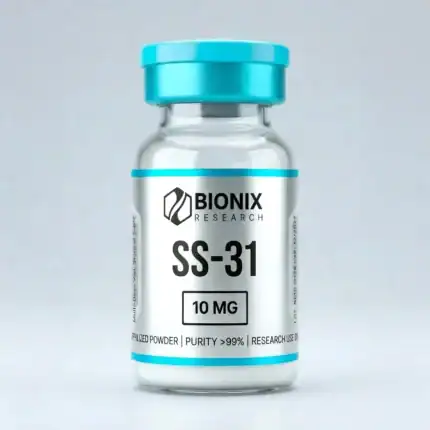
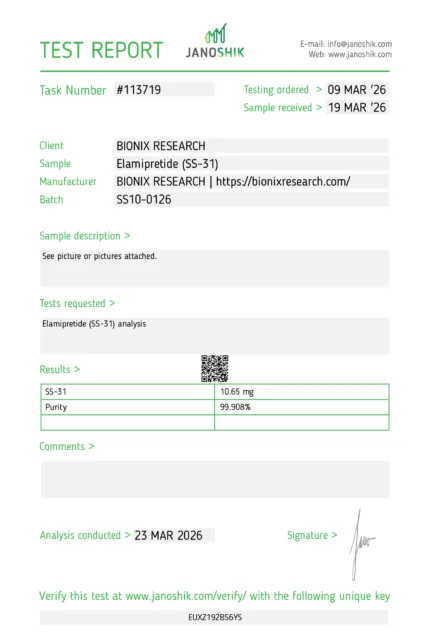
SS-31 (Elamipretide) Peptide
49,90 € Vialincl. VAT
plus Shipping Costs
Delivery time: 1–6 Working Days
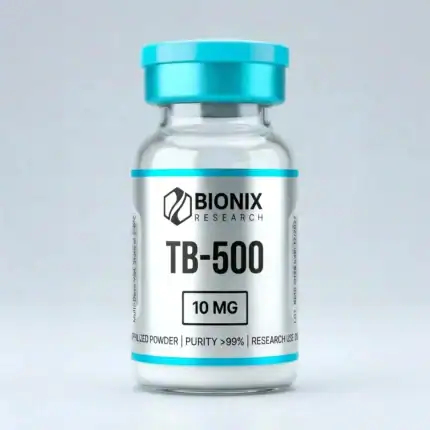
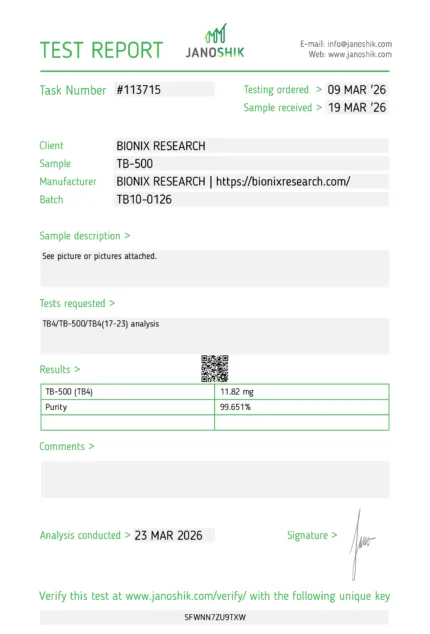
TB-500 (Thymosin Beta-4)
49,90 € Vialincl. VAT
plus Shipping Costs
Delivery time: 1–6 Working Days
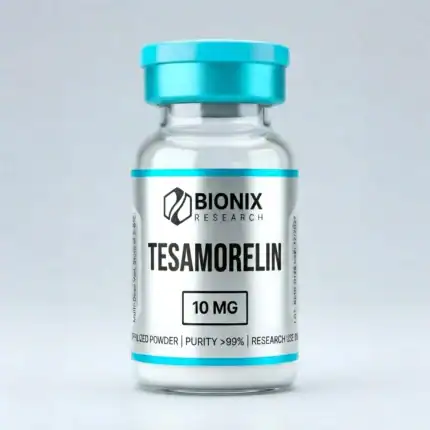
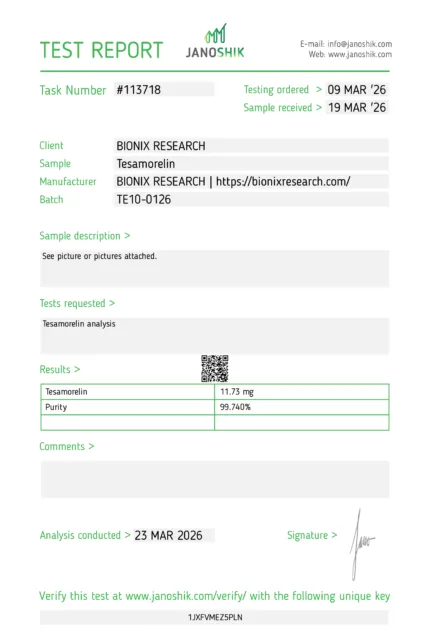
Tesamorelin
79,90 € Vialincl. VAT
plus Shipping Costs
Delivery time: 1–6 Working Days
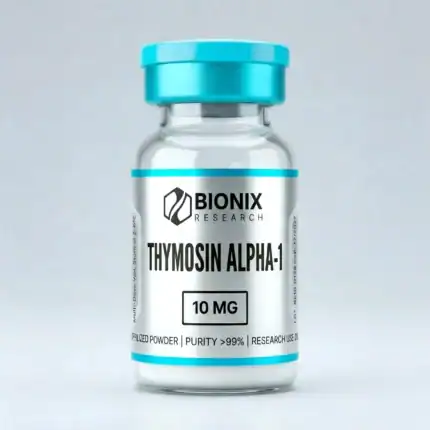
Thymosin Alpha-1
59,90 € Vialincl. VAT
plus Shipping Costs
Delivery time: 1–6 Working Days

