


Kisspeptin-10
39,90 € Vial
5% off when paying with cryptocurrency
incl. VAT plus Shipping Costs
Kisspeptin-10 10mg – KISS1R Agonist for Neuroendocrine Research
- Synthetic decapeptide representing the biologically active C-terminal fragment of kisspeptin.
- Selective KISS1R (GPR54) agonist that serves as the master regulator of GnRH release and the hypothalamic-pituitary-gonadal axis.
- Research applications include reproductive biology, fertility/IVF studies, sexual behavior research, metabolic regulation, and oncology.
- Purity ≥99% (HPLC-verified). Supplied as lyophilized powder, 10mg per vial.
- Store at -20°C. For research purposes only. Not intended for human consumption.
| Quantity | Price | Discount |
|---|---|---|
| 11-20 | 33,92 € Vial | 15% |
| 21+ | 31,92 € Vial | 20% |
Delivery time: 1–6 Working Days
Kisspeptin-10 Peptide
KEY SPECIFICATIONS
| Parameter | Specification |
|---|---|
| Type | Synthetic decapeptide |
| Target Receptor | KISS1R (GPR54) |
| Molecular Formula | C₆₃H₈₃N₁₇O₁₄ |
| Molecular Weight | 1302.4 Da |
| CAS Number | 374675-21-5 |
| Sequence | Tyr-Asn-Trp-Asn-Ser-Phe-Gly-Leu-Arg-Phe |
| Form | Lyophilized powder |
| Purity | ≥99% (HPLC) |
| Quantity | 10mg |
| Storage | -20°C |
PRODUCT OVERVIEW
Kisspeptin-10 is a synthetic decapeptide representing the biologically active C-terminal fragment of the full-length kisspeptin protein. As a selective KISS1R (GPR54) agonist, this peptide serves as an essential research tool for investigating the hypothalamic-pituitary-gonadal (HPG) axis and neuroendocrine regulation.
The discovery that kisspeptin signaling controls GnRH secretion — established when KISS1R mutations were found to cause hypogonadotropic hypogonadism — positions kisspeptin as the master regulator of reproductive function. Kisspeptin-10 retains full biological activity at KISS1R, enabling precise investigation of these fundamental signaling pathways.
MECHANISM OF ACTION
Kisspeptin-10 activates the G-protein-coupled KISS1R receptor, initiating downstream signaling cascades critical for reproductive and metabolic regulation.
Signaling Cascade:
- Receptor Binding: High-affinity binding to KISS1R on hypothalamic GnRH neurons
- G-Protein Activation: Gαq/11 subunit stimulation → phospholipase C (PLC) activation
- Intracellular Signaling: IP3 production → intracellular calcium mobilization → protein kinase C (PKC) and MAPK pathway activation
- Neuronal Effects: TRPC channel activation, K⁺ channel inhibition, membrane depolarization
- Physiological Response: GnRH release → pituitary LH/FSH secretion → gonadal hormone production
Key Characteristics: • Rapid onset of action (seconds post-application) • Concentration-dependent dose-response • Full agonist activity at KISS1R • No direct melanocortin receptor activity
Kisspeptin Isoform Comparison:
| Property | Kisspeptin-10 | Kisspeptin-54 | Kisspeptin-13/14 |
|---|---|---|---|
| Length | 10 amino acids | 54 amino acids | 13-14 amino acids |
| Activity | Full agonist | Full agonist | Full agonist |
| Research Use | Most common | Full-length studies | Intermediate studies |
| Stability | Good | Moderate | Good |
RESEARCH APPLICATIONS
Reproductive Biology & GnRH Signaling: Investigation of gonadotropin secretion, puberty onset mechanisms, menstrual cycle regulation, hypothalamic amenorrhea models, and GnRH pulse generator function. Experimental data demonstrate that KISS1R activation increases neuronal activity in GnRH neurons and modulates pulsatile LH/FSH release.
Fertility Research & IVF Applications: Investigation of kisspeptin as an alternative oocyte maturation trigger. Clinical datasets (NCT01667406) indicate kisspeptin produces a brief, physiological LH surge versus prolonged hCG stimulation, potentially reducing ovarian hyperstimulation syndrome (OHSS) risk in high-responder patients.
Sexual Behavior Research: Emerging investigations into kisspeptin influence on sexual desire and behavior through limbic system pathways beyond HPG axis effects. Studies demonstrate effects on sexual desire in both sexes, with KISS1R identified in brain regions involved in emotional and sexual behavior.
Metabolic Research: Analysis of KISS1R expression in adipose tissue and integration of metabolic signals with reproductive function. Investigations into energy balance, glucose homeostasis, and metabolic-reproductive axis regulation.
Oncology Research: Studies on metastasis suppression, cell motility, and autophagy processes. The KISS1 gene was originally identified as a metastasis suppressor, with ongoing research into tumor cell invasion and migration mechanisms.
Bone Metabolism Research: Investigation of osteoclast activity and bone loss prevention. Preclinical data demonstrate Kisspeptin-10 modulates bone resorption through Gpr54 binding in osteoclasts, with prevention of bone loss via Dusp18-mediated Src dephosphorylation.
Endothelial & Cardiovascular Research: Studies on vascular health, cellular senescence in endothelial cells, and atherosclerosis mechanisms.
ANALYTICAL VERIFICATION
BIONIX Kisspeptin-10 undergoes comprehensive analytical characterization:
• HPLC Analysis: ≥99% purity confirmation via optimized chromatographic separation • Mass Spectrometry: Molecular weight verification (1302.4 Da) and sequence confirmation • Amino Acid Analysis: Peptide content determination • Endotoxin Testing: Laboratory quality assurance
Physical Characteristics:
| Property | Specification |
|---|---|
| Appearance | White to off-white lyophilized powder |
FREQUENTLY ENCOUNTERED INQUIRIES
How does Kisspeptin-10 affect GnRH neurons?
Through KISS1R activation, Kisspeptin-10 enhances GnRH neuronal excitability via Gαq/11 signaling, phospholipase C activation, and intracellular calcium mobilization. This modulates ion channels controlling membrane potential, resulting in pulsatile gonadotropin secretion.
What is the role in metabolic research?
KISS1R expression in adipose tissue suggests integration of metabolic and reproductive signals. Kisspeptin-10 enables investigation of how nutritional status and metabolic health affect reproductive function through energy balance and glucose homeostasis mechanisms.
How is it utilized in oncology research?
Laboratory investigations focus on metastasis suppression and cell motility. The KISS1 gene functions as a metastasis suppressor, with ongoing research into tumor cell invasion, migration, and autophagy processes.
What does research indicate regarding bone health?
Preclinical studies demonstrate Kisspeptin-10 prevents bone loss through Gpr54 binding in osteoclasts via Dusp18-mediated Src dephosphorylation, positioning it as a tool for studying osteoporosis mechanisms.
What are the fertility research applications?
Investigation as an alternative IVF trigger for oocyte maturation. Clinical studies suggest kisspeptin produces a brief, physiological LH surge that may reduce OHSS risk in high-risk patients compared to standard hCG protocols.
Does Kisspeptin-10 influence sexual behavior?
Emerging research indicates effects on sexual desire through limbic brain region pathways beyond HPG axis activation. Studies demonstrate effects in both sexes, representing an active investigation area.
REFERENCES
- NCT01667406 — Clinical Trials Registry (IVF trigger studies)
- PMID: 24405415 — Endothelial senescence and cell growth
- PMID: 32409274 — Atherosclerosis pathomechanisms
- PMID: 38346942 — Bone metabolism and Src dephosphorylation
- PMID: 31705228 — Autophagy in breast cancer cells
- PMID: 38978171 — LC-HRMS detection methodology
| Dosage | 10mg, 20mg, 40mg, 50mg, 5mg |
|---|
Product safety
Safety instructions
SAFETY DATA SHEET (SDS)
Kisspeptin-10 – Research-Grade Lyophilized Powder (RUO)
CAS Number: 374675-21-5
Synonyms: Kisspeptin-10 Peptid
REACH Registration: Exempt (<1 tonne/year; Research Use Only)
SECTION 1 — Identification
1.1 Product Identifier: Kisspeptin-10 – Lyophilized Powder
1.2 Identified Uses: Analytical-grade peptide for in-vitro laboratory research. Research Use Only (RUO). Not for human or veterinary use.
1.3 Supplier: BIONIX RESEARCH
Email: info@bionixresearch.com
1.4 Emergency: EU Emergency Number: 112
SECTION 2 — Hazards Identification
2.1 Classification: Not classified as hazardous under CLP Regulation (EC) 1272/2008. No GHS pictograms required.
2.2 Precautionary notes:
- Avoid dust inhalation
- Avoid contact with eyes
- Laboratory use only
SECTION 3 — Composition
Substance: Kisspeptin-10
CAS: 374675-21-5
Purity: ≥99% HPLC
Form: Lyophilized powder
Impurities: None classified as hazardous.
SECTION 4 — First-Aid Measures
Inhalation: Move to fresh air. Rinse mouth and nose.
Skin Contact: Wash thoroughly with water and soap.
Eye Contact: Rinse cautiously with clean water for several minutes.
Ingestion: Rinse mouth. Do not induce vomiting. Seek medical advice.
SECTION 5 — Fire-Fighting Measures
Extinguishing Media: CO₂, dry chemical, foam, or water spray.
Hazards: Organic peptide powder, non-flammable. Thermal decomposition may release CO, CO₂, nitrogen oxides.
SECTION 6 — Accidental Release Measures
Avoid dust formation. Use gloves, mask, protective eyewear. Collect powder into sealed waste container.
SECTION 7 — Handling and Storage
Handling: Use only in laboratory settings. Minimize dust formation. Wear standard PPE.
Storage: Store at −20 °C in sealed vial. Protect from sunlight and humidity. Research use only.
SECTION 8 — Exposure Controls / Personal Protection
Exposure Limits: None established.
PPE: Nitrile or latex gloves, lab coat, protective eyewear, dust mask when handling powders.
SECTION 9 — Physical and Chemical Properties
Appearance: White to off-white lyophilized powder
Odor: None
Solubility: Soluble in sterile water, dilute acids, or aqueous buffers
Stability: Stable when stored at −20 °C
SECTION 10 — Stability and Reactivity
Stable under recommended conditions. Avoid heat, moisture, air exposure, oxidizing agents.
SECTION 11 — Toxicological Information
No data available for human exposure. Low acute toxicity expected. Dust may cause mild irritation. Not intended for injection, ingestion, or topical use.
SECTION 12 — Ecological Information
No data available. Not expected to present environmental risks. Prevent release into water systems.
SECTION 13 — Disposal Considerations
Dispose according to local regulations for laboratory chemical waste. Do not dispose via household waste or sewer systems.
SECTION 14 — Transport Information
Not regulated under ADR, IMDG, IATA. No UN classification required.
SECTION 15 — Regulatory Information
Not subject to REACH registration (<1 tonne/year; RUO exemption). Not classified under CLP. Not a pharmaceutical, cosmetic, or medical product.
SECTION 16 — Other Information
This SDS is intended for trained laboratory personnel. It does not signify suitability for therapeutic, diagnostic, or consumer applications.
You may also like…

Bacteriostatic (BAC) Water
9,90 € Vialincl. VAT
plus Shipping Costs
Delivery time: 1–6 Working Days
Related products

BPC-157 & TB-500 Blend (Wolverine Stack)
49,90 € Vialincl. VAT
plus Shipping Costs
Delivery time: 1–6 Working Days
KPV
34,90 € Vialincl. VAT
plus Shipping Costs
Delivery time: 1–6 Working Days
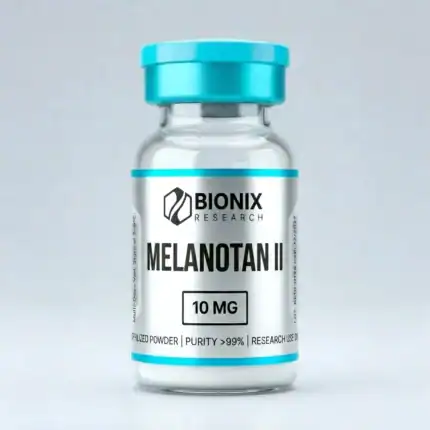
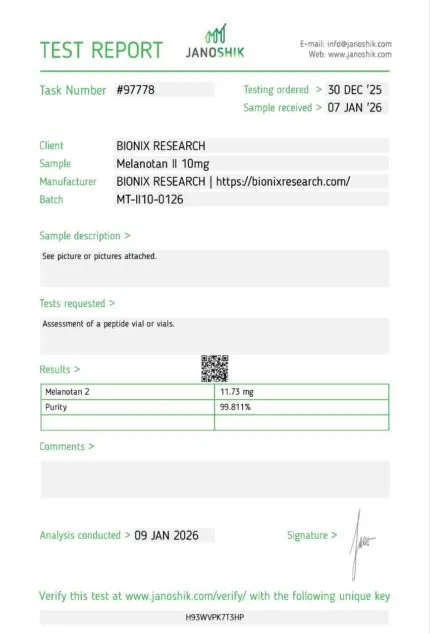
Melanotan 2 (MT-II)
19,90 € Vialincl. VAT
plus Shipping Costs
Delivery time: 1–6 Working Days
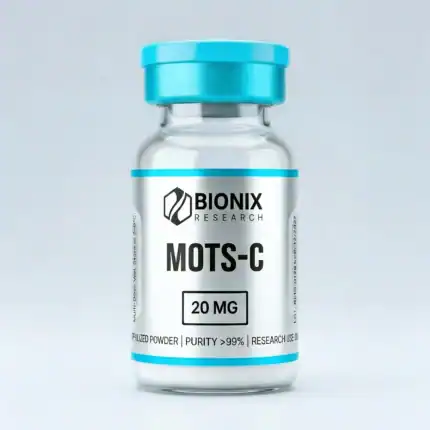
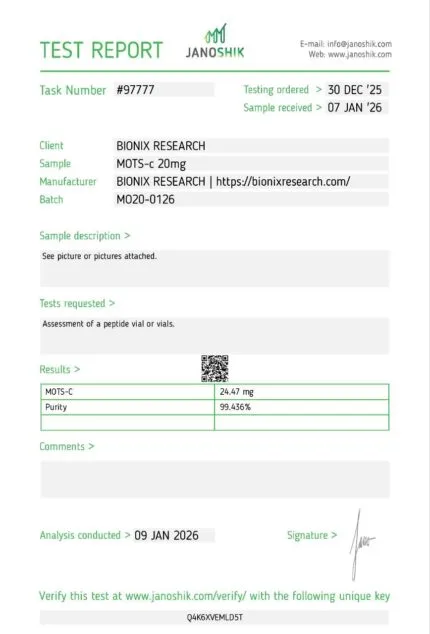
MOTS-c
49,90 € Vialincl. VAT
plus Shipping Costs
Delivery time: 1–6 Working Days
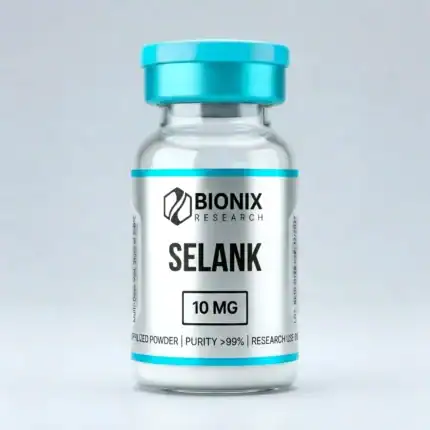
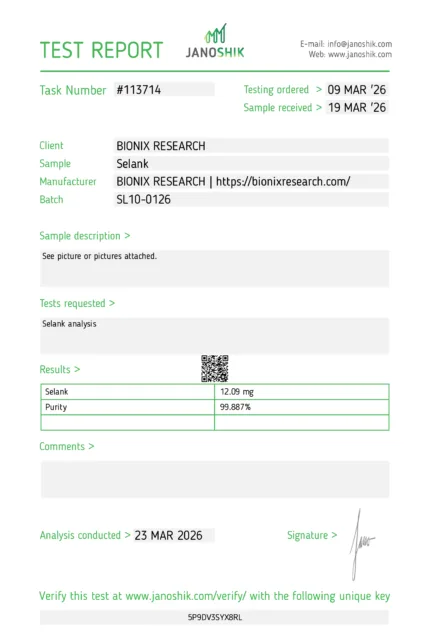
Selank
29,90 € Vialincl. VAT
plus Shipping Costs
Delivery time: 1–6 Working Days
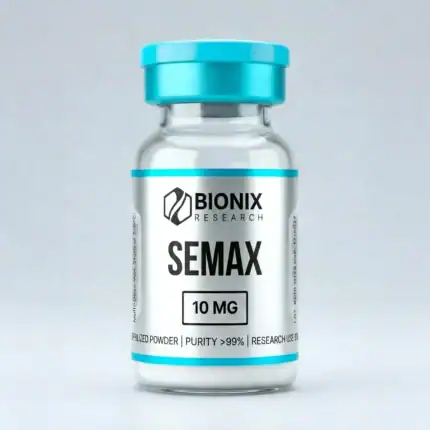
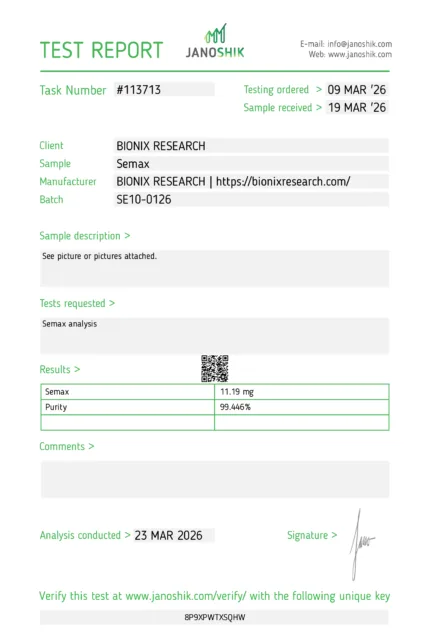
Semax
29,90 € Vialincl. VAT
plus Shipping Costs
Delivery time: 1–6 Working Days
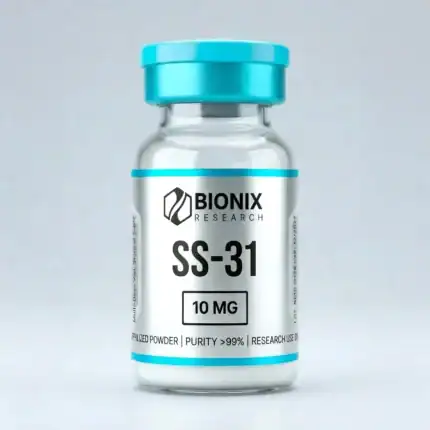
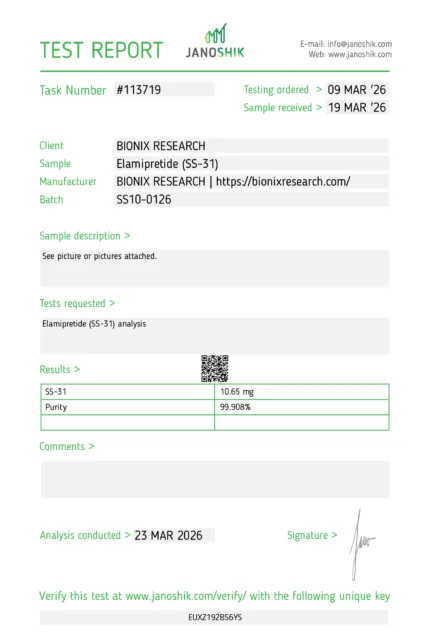
SS-31 (Elamipretide) Peptide
49,90 € Vialincl. VAT
plus Shipping Costs
Delivery time: 1–6 Working Days
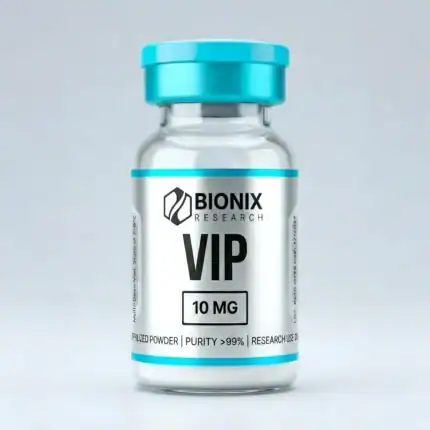
VIP Peptide – Vasoactive Intestinal Peptide
69,90 € Vialincl. VAT
plus Shipping Costs
Delivery time: 1–6 Working Days

