



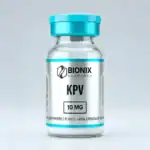
KPV
34,90 € Vial
5% off when paying with cryptocurrency
incl. VAT plus Shipping Costs
KPV Peptide 10mg – Alpha-MSH Tripeptide Fragment for Anti-Inflammatory Research
- Synthetic C-terminal tripeptide fragment of α-melanocyte-stimulating hormone (α-MSH), modulating inflammatory pathways through receptor-dependent and receptor-independent mechanisms.
- Studies demonstrate significant anti-inflammatory activity via NF-κB pathway inhibition and PepT1-mediated intestinal uptake in colitis models.
- Purity ≥99% (HPLC-verified). Supplied as lyophilized powder, 10mg per vial.
- Research applications include inflammatory bowel disease models, skin inflammation, wound healing, and immunomodulation studies.
- Store at -20°C. For research purposes only. Not intended for human consumption.
| Quantity | Price | Discount |
|---|---|---|
| 11-20 | 29,67 € Vial | 15% |
| 21+ | 27,92 € Vial | 20% |
Delivery time: 1–6 Working Days
KPV Peptide 10mg – Ac-KPV-NH₂
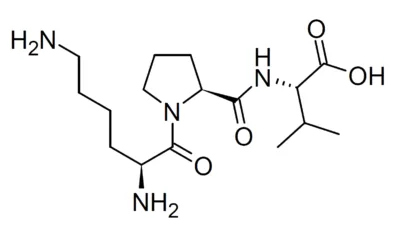
Chemical diagram for KPV by https://commons.wikimedia.org/w/index.php?curid=177340267
KEY SPECIFICATIONS
| Parameter | Specification |
|---|---|
| Type | Synthetic tripeptide (α-MSH fragment) |
| Target | NF-κB pathway, melanocortin receptors, PepT1 transporter |
| Molecular Formula | C₁₈H₃₅N₇O₅ |
| Molecular Weight | 441.5 g/mol |
| CAS Number | 8XXX-X |
| Sequence | Ac-Lys-Pro-Val-NH₂ |
| Stability Modification | N-acetylation, C-amidation |
| Parent Molecule | α-MSH (Amino acids 11-13) |
| Form | Lyophilized powder |
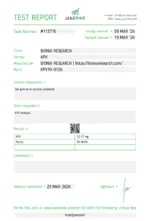
| Purity | ≥99% (HPLC) |
| Quantity | 10mg |
| Storage | -20°C |
PRODUCT OVERVIEW
KPV (Ac-Lys-Pro-Val-NH₂) is a synthetic tripeptide representing the C-terminal fragment (residues 11-13) of alpha-melanocyte-stimulating hormone (α-MSH). This research peptide retains potent anti-inflammatory properties of the parent molecule while exhibiting minimal melanogenic activity—enabling investigation of inflammatory mechanisms independently of pigmentation pathways. Research demonstrates dual anti-inflammatory mechanisms: classical melanocortin receptor signaling (MC1R/MC3R/MC4R) and receptor-independent NF-κB pathway inhibition. PepT1 transporter-mediated uptake is critical for intestinal anti-inflammatory effects. With over 50 peer-reviewed publications spanning two decades, KPV is extensively characterized for inflammation research. BIONIX supplies KPV with ≥99% purity for immunological and cell signaling applications.
MECHANISM OF ACTION
KPV exhibits a unique dual mechanism engaging both receptor-mediated pathways and receptor-independent intracellular signaling—making it valuable for dissecting anti-inflammatory mechanisms.
Dual Signaling Pathways:
| Pathway | Mechanism | Research Outcome |
|---|---|---|
| Melanocortin Receptors | Partial MC1R/MC3R/MC4R agonism | Anti-inflammatory cAMP-independent signaling |
| NF-κB Inhibition | p65 nuclear translocation blockade | Pro-inflammatory gene transcription blocked |
| IκB Kinase | Reduced IKK activation | Cytoplasmic NF-κB retention |
| Cytokine Modulation | TNF-α, IL-6, IL-1β downregulation | Reduced inflammatory response |
PepT1 Transporter Mechanism:
| Feature | Function | Research Significance |
|---|---|---|
| Active Transport | Proton-coupled SLC15A1 uptake | Intracellular peptide delivery |
| pH Sensitivity | Enhanced at acidic pH | Improved uptake in inflamed tissue |
| Inflammation Response | Upregulation in inflamed gut | Targeted delivery where needed |
| Intracellular Access | Direct cytoplasmic entry | NF-κB pathway modulation |
Structural Stability Features:
| Modification | Position | Function |
|---|---|---|
| N-Acetylation | N-terminal | Blocks exopeptidase attack, enhances permeability |
| Proline | Position 2 | Protects against aminopeptidase degradation |
| C-Amidation | C-terminal | Resists carboxypeptidase cleavage |
Proposed Signaling Pathway:
KPV Entry → PepT1 Transport (intestine) or Diffusion (other tissues) →
Melanocortin Receptor Activation + NF-κB p65 Nuclear Translocation Blockade →
Anti-inflammatory Cytokine Downregulation + Gene Transcription Modulation
Comparative Profile:
| Property | KPV (Tripeptide) | α-MSH (Full) | Melanotan II |
|---|---|---|---|
| Sequence Length | 3 amino acids | 13 amino acids | 7 amino acids (cyclic) |
| Molecular Weight | 441.5 g/mol | 1,665 g/mol | 1,024 g/mol |
| Primary Target | NF-κB, MC receptors | All MC receptors | MC1R, MC4R |
| cAMP Induction | Minimal/negligible | Strong | Strong |
| Melanogenic Activity | Minimal | Strong | Strong |
| Anti-inflammatory | Potent | Potent | Moderate |
| Enzymatic Stability | High | Low | Moderate |
| PepT1 Transport | Yes | No | No |
| Research Focus | Inflammation isolation | Full hormone activity | Pigmentation, appetite |
RESEARCH APPLICATIONS
• Intestinal Inflammation Models: DSS-induced colitis research documenting reduced MPO activity (neutrophil infiltration marker), preserved colon length, improved crypt architecture, and decreased pro-inflammatory cytokines (TNF-α, IL-6, IL-1β). Kannengiesser et al. (2008) demonstrated significant anti-inflammatory effects in murine colitis models.
• Skin Inflammation Studies: TPA-induced contact dermatitis models showing ear thickness reduction, decreased leukocyte infiltration, and reduced endothelial adhesion molecules. Research achieves anti-inflammatory effects without melanogenic stimulation—enabling mechanism isolation from pigmentation pathways.
• Wound Healing Research: Corneal epithelial wound healing studies demonstrating complete re-epithelialization within 60 hours versus no healing in controls. NO-dependent mechanism identified through synthesis inhibition studies. Fibroblast IL-8 pathway modulation and collagen type I/III ratio investigations.
• Antimicrobial Studies: Direct antimicrobial activity against Staphylococcus aureus and Candida albicans—dual anti-inflammatory/antimicrobial profile valuable for complex tissue repair investigations.
• Cytokine Modulation Research: TNF-α, IL-6, IL-1β downregulation studies; NF-κB pathway activation blockade; COX-2 expression reduction; evaluation of minimum effective concentrations across experimental models.
ANALYTICAL VERIFICATION
BIONIX KPV undergoes comprehensive analytical characterization:
• HPLC Analysis: ≥99% purity confirmation via optimized chromatographic separation; detects deletion sequences and byproducts • Mass Spectrometry: Molecular weight verification (441.5 g/mol) and sequence confirmation (Ac-Lys-Pro-Val-NH₂) • Amino Acid Analysis: Composition quantification • Terminal Modification Verification: N-acetylation and C-amidation confirmation • Endotoxin Testing: Laboratory quality assurance for cell culture applications
Physical Characteristics:
| Property | Specification |
|---|---|
| Appearance | White to off-white lyophilized powder |
| Molecular Weight | 441.5 g/mol |
| Sequence | Ac-Lys-Pro-Val-NH₂ |
| Modifications | N-acetylated, C-amidated |
| Stability Features | Proline at position 2, terminal blocking |
| Parent Origin | α-MSH residues 11-13 |
| Purity | ≥99% (HPLC-verified) |
DEVELOPMENT STATUS
• Research History: Over 50 peer-reviewed publications spanning two decades • Mechanism Elucidation: Dual receptor-dependent and receptor-independent pathways characterized • Intestinal Research: PepT1 transporter mechanism established by Dalmasso et al. (2008) • Clinical Status: Not FDA or EMA approved for therapeutic use • Regulatory Classification: Research compound only • WADA Status: Research compound (verify current prohibited list)
BIONIX KPV is supplied exclusively for laboratory research purposes—not for therapeutic use, human administration, veterinary, or clinical applications.
FREQUENTLY ENCOUNTERED INQUIRIES
What is KPV and how does it differ from α-MSH?
KPV is a synthetic tripeptide (Ac-Lys-Pro-Val-NH₂) containing only the C-terminal three amino acids (positions 11-13) of full-length α-MSH. While α-MSH is a 13-amino acid peptide with strong melanocortin receptor activity including pigmentation control, KPV exhibits a focused anti-inflammatory profile with minimal melanogenic activity. KPV provides superior enzymatic stability, PepT1 transporter-mediated uptake, and receptor-independent NF-κB inhibition not present in the full-length parent peptide.
What is KPV’s dual mechanism of action?
KPV operates through two distinct pathways: (1) melanocortin receptor signaling (MC1R/MC3R/MC4R) with partial agonism and minimal cAMP elevation; (2) receptor-independent NF-κB pathway inhibition blocking p65 nuclear translocation and IKK activation. This dual mechanism persists even with complete melanocortin receptor blockade—confirming the receptor-independent pathway’s functional significance.
What is the significance of PepT1 transporter in KPV research?
The PepT1 (SLC15A1) proton-coupled oligopeptide transporter actively transports KPV into intestinal epithelial cells. PepT1 expression is upregulated in inflamed intestinal tissue and shows enhanced activity at acidic pH—precisely matching inflammatory microenvironments. This mechanism explains KPV’s particular efficacy in intestinal inflammation models and has stimulated targeted delivery research for inflammatory bowel disease applications.
What storage conditions are required?
Lyophilized powder requires -20°C storage for long-term stability (up to 24 months). Protect from moisture and light. Post-reconstitution, store at 2-8°C for 3-7 days or aliquot and freeze at -20°C (1-3 months) or -80°C (6-12 months). For short-term use, refrigerate at 2-8°C. Avoid repeated freeze-thaw cycles.
Does KPV have antimicrobial properties?
Affirmative. Research demonstrates direct antimicrobial activity against Staphylococcus aureus and Candida albicans at low concentrations. The dual anti-inflammatory and antimicrobial profile makes KPV valuable for wound healing research where infection control and inflammation reduction converge. Published studies (J Leukoc Biol, 2000) documented significant pathogen killing and viability reduction.
REFERENCES
• PMID: 18612139 — Comprehensive α-MSH/KPV pathway analysis (Endocr Rev, 2008)
• PMID: 18069684 — Murine colitis: MPO activity reduction (Inflamm Bowel Dis, 2008)
• PMID: 18061177 — PepT1-mediated uptake in intestinal epithelium (Gastroenterology, 2008)
• J Leukoc Biol, 2000 — Antimicrobial activity against S. aureus and C. albicans
• Catania A et al., 2010 — Melanocortin system and inflammation control (ScientificWorldJournal)
| Dosage | 10mg, 20mg, 40mg, 50mg, 5mg |
|---|
Product safety
Safety instructions
SAFETY DATA SHEET (SDS)
Ac-KPV-NH2 – Research-Grade Lyophilized Powder (RUO)
CAS Number: Not assigned
Synonyms: Acetyl-Lys-Pro-Val-NH2, α-MSH(11-13) tripeptide fragment
REACH Registration: Exempt (<1 tonne/year; Research Use Only)
SECTION 1 — Identification
1.1 Product Identifier: Ac-KPV-NH2 – Lyophilized Powder
1.2 Identified Uses: Analytical-grade peptide for in-vitro laboratory research. Research Use Only (RUO). Not for human or veterinary use.
1.3 Supplier: BIONIX RESEARCH
Email: info@bionixresearch.com
1.4 Emergency: EU Emergency Number: 112
SECTION 2 — Hazards Identification
2.1 Classification: Not classified as hazardous under CLP Regulation (EC) 1272/2008. No GHS pictograms required.
2.2 Precautionary notes:
- Avoid dust inhalation
- Avoid contact with eyes
- Laboratory use only
SECTION 3 — Composition
Substance: Ac-KPV-NH2
CAS: Not assigned
Purity: ≥99% HPLC
Form: Lyophilized powder
Impurities: None classified as hazardous.
SECTION 4 — First-Aid Measures
Inhalation: Move to fresh air. Rinse mouth and nose.
Skin Contact: Wash thoroughly with water and soap.
Eye Contact: Rinse cautiously with clean water for several minutes.
Ingestion: Rinse mouth. Do not induce vomiting. Seek medical advice.
SECTION 5 — Fire-Fighting Measures
Extinguishing Media: CO₂, dry chemical, foam, or water spray.
Hazards: Organic peptide powder, non-flammable. Thermal decomposition may release CO, CO₂, nitrogen oxides.
SECTION 6 — Accidental Release Measures
Avoid dust formation. Use gloves, mask, protective eyewear. Collect powder into sealed waste container.
SECTION 7 — Handling and Storage
Handling: Use only in laboratory settings. Minimize dust formation. Wear standard PPE.
Storage: Store at −20 °C in sealed vial. Protect from sunlight and humidity. Research use only.
SECTION 8 — Exposure Controls / Personal Protection
Exposure Limits: None established.
PPE: Nitrile or latex gloves, lab coat, protective eyewear, dust mask when handling powders.
SECTION 9 — Physical and Chemical Properties
Appearance: White to off-white lyophilized powder
Odor: None
Solubility: Soluble in sterile water, dilute acids, or aqueous buffers
Stability: Stable when stored at −20 °C
SECTION 10 — Stability and Reactivity
Stable under recommended conditions. Avoid heat, moisture, air exposure, oxidizing agents.
SECTION 11 — Toxicological Information
No data available for human exposure. Low acute toxicity expected. Dust may cause mild irritation. Not intended for injection, ingestion, or topical use.
SECTION 12 — Ecological Information
No data available. Not expected to present environmental risks. Prevent release into water systems.
SECTION 13 — Disposal Considerations
Dispose according to local regulations for laboratory chemical waste. Do not dispose via household waste or sewer systems.
SECTION 14 — Transport Information
Not regulated under ADR, IMDG, IATA. No UN classification required.
SECTION 15 — Regulatory Information
Not subject to REACH registration (<1 tonne/year; RUO exemption). Not classified under CLP. Not a pharmaceutical, cosmetic, or medical product.
SECTION 16 — Other Information
This SDS is intended for trained laboratory personnel. It does not signify suitability for therapeutic, diagnostic, or consumer applications.
You may also like…
Thymosin Alpha-1
59,90 € Vialincl. VAT
plus Shipping Costs
Delivery time: 1–6 Working Days
Related products

Bacteriostatic (BAC) Water
9,90 € Vialincl. VAT
plus Shipping Costs
Delivery time: 1–6 Working Days

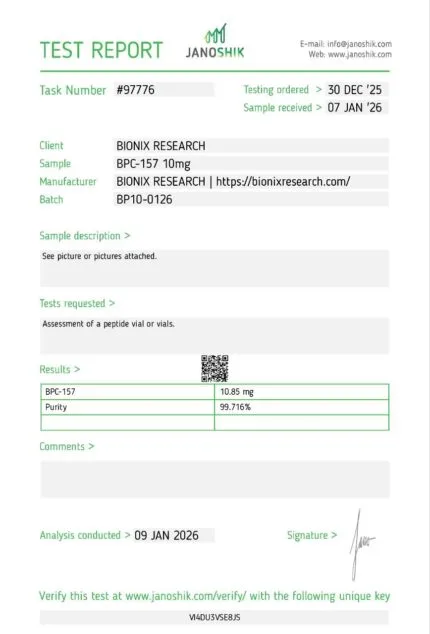
BPC-157
24,90 € Vialincl. VAT
plus Shipping Costs
Delivery time: 1–6 Working Days
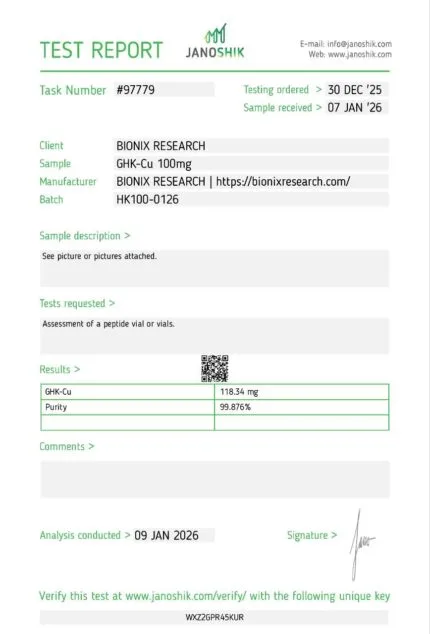
GHK-Cu
29,90 € Vialincl. VAT
plus Shipping Costs
Delivery time: 1–6 Working Days
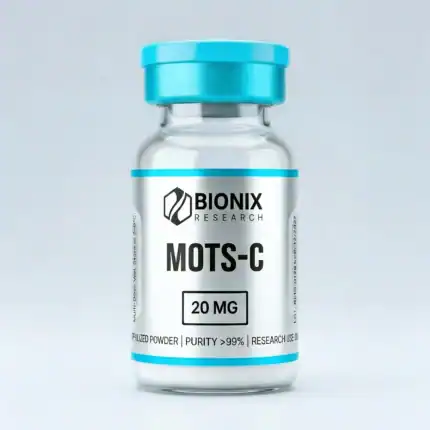
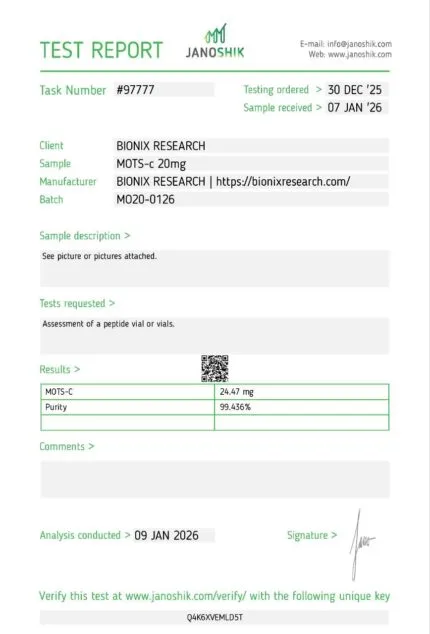
MOTS-c
49,90 € Vialincl. VAT
plus Shipping Costs
Delivery time: 1–6 Working Days
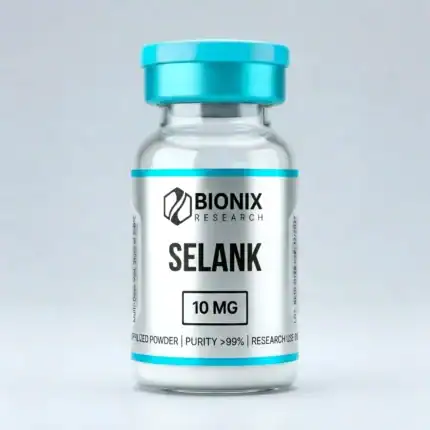
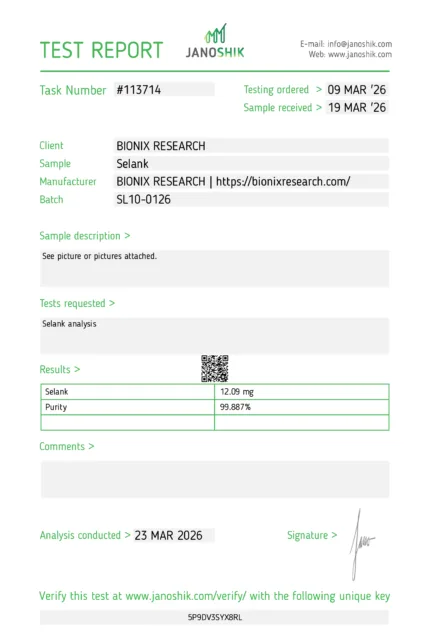
Selank
29,90 € Vialincl. VAT
plus Shipping Costs
Delivery time: 1–6 Working Days
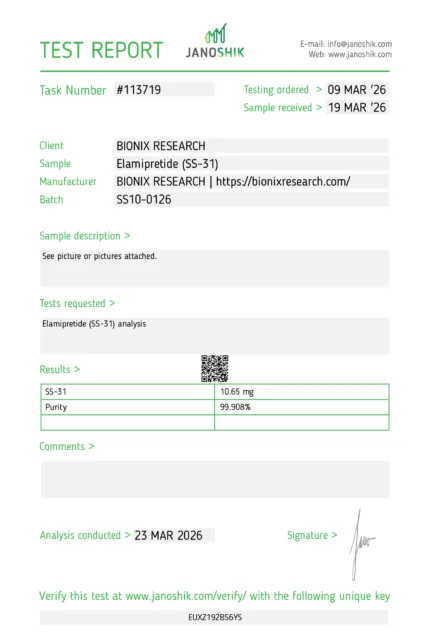
SS-31 (Elamipretide) Peptide
49,90 € Vialincl. VAT
plus Shipping Costs
Delivery time: 1–6 Working Days
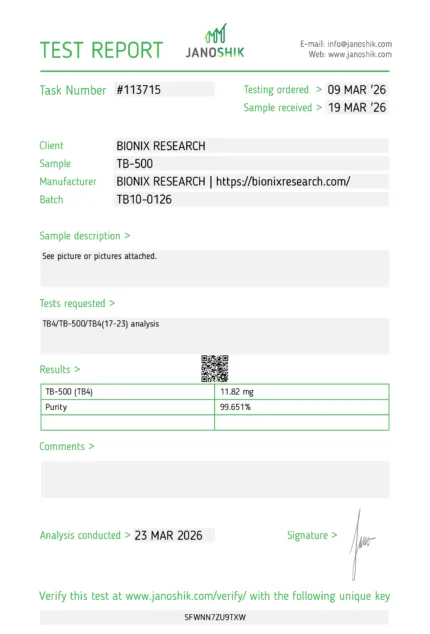
TB-500 (Thymosin Beta-4)
49,90 € Vialincl. VAT
plus Shipping Costs
Delivery time: 1–6 Working Days
Thymalin / Thymulin
39,90 €incl. VAT
plus Shipping Costs
Delivery time: 1–6 Working Days

