


Knowledge Base
Hormonal Balance & Endocrine Signaling


Hormonal Balance & Endocrine Signaling: The Science Behind Peptides That Influence Growth Hormone Secretion and Endocrine Function
How growth hormone secretagogues are being studied for their potential roles in hormonal optimization, body composition, and metabolic regulation
The Hormonal Symphony of Human Physiology
The endocrine system of the human body operates as a remarkably sophisticated communication network—a symphony of chemical messengers coordinating growth, metabolism, reproduction, and countless other physiological processes.
At the center of many critical functions sits growth hormone (GH)—a 191-amino-acid protein produced by the anterior pituitary gland. Despite its name suggesting relevance only to childhood development, GH remains essential throughout life, influencing body composition (muscle-to-fat ratio), bone density and skeletal health, metabolic rate and energy utilization, tissue repair and regeneration, cognitive function and mood, and sleep quality and recovery.
The challenge: GH production declines progressively with age—approximately 14% per decade after age 30. By age 60, GH secretion may be only 20-25% of youthful levels. This phenomenon, termed "somatopause," parallels many changes associated with aging: increased body fat, decreased muscle mass, reduced bone density, and impaired recovery capacity.
The research question: Can GH secretion be safely enhanced through peptides that work with natural regulatory mechanisms rather than replacing the hormone itself?
This question has driven development of growth hormone secretagogues (GHS)—compounds that stimulate the pituitary to release its own GH. Three peptides in particular—CJC-1295, Ipamorelin, and Tesamorelin—represent distinct approaches to this goal, each with unique mechanisms, applications, and regulatory status.
Understanding Growth Hormone: Beyond Simple "Growth"
The GH/IGF-1 Axis
Growth hormone doesn't act alone—it functions through a complex axis involving multiple tissues.
The Pathway: The hypothalamus releases GHRH (stimulating) or somatostatin (inhibiting). The pituitary secretes GH in response to these signals. The liver produces IGF-1 (insulin-like growth factor-1) when stimulated by GH. Target tissues respond to both GH directly and IGF-1.
Key distinction: Many GH effects are mediated through IGF-1, while others result from direct GH action on tissues. Understanding this axis helps explain why different secretagogues may produce different effect profiles.
Natural GH Regulation
The human body tightly regulates GH through multiple mechanisms.
Stimulatory Factors:
| Factor | Mechanism | Practical Relevance |
|---|---|---|
| GHRH | Direct pituitary stimulation | Target of CJC-1295, Tesamorelin |
| Ghrelin | GHSR receptor activation | Target of Ipamorelin |
| Deep sleep | Nocturnal GH pulses | Why sleep quality affects GH |
| Exercise | Acute GH release | Particularly high-intensity training |
| Fasting | Low glucose stimulates release | Intermittent fasting effects |
| Low blood glucose | Metabolic signal for GH | Hypoglycemia triggers GH |
Inhibitory Factors:
| Factor | Mechanism | Practical Relevance |
|---|---|---|
| Somatostatin | Direct pituitary inhibition | Released in opposing rhythm to GHRH |
| IGF-1 | Negative feedback | High IGF-1 suppresses further GH |
| High blood glucose | Metabolic signal | Hyperglycemia inhibits GH |
| Free fatty acids | Metabolic feedback | Obesity blunts GH secretion |
| Age | Progressive decline | Somatopause phenomenon |
Pulsatile Secretion: Why Timing Matters
GH is not released continuously—it follows a pulsatile pattern with distinct secretory bursts, particularly during deep sleep, exercise, fasting states, and stress responses.
This pulsatile pattern is physiologically important. Continuous GH exposure (as with some therapeutic approaches) can lead to receptor downregulation and diminished tissue responsiveness. Secretagogues that preserve natural pulsatility may offer advantages over direct GH administration.
The Two Classes of Growth Hormone Secretagogues
Growth hormone secretagogues work through two primary mechanisms.
Class 1: GHRH Analogs (GHRH Receptor Agonists)
These peptides mimic or enhance the action of growth hormone-releasing hormone. They bind GHRH receptors on pituitary somatotrophs and directly stimulate GH synthesis and release. Examples include CJC-1295, Tesamorelin, and Sermorelin. Their character involves amplifying existing GHRH signaling.
Class 2: Ghrelin Mimetics (GHS Receptor Agonists)
These peptides activate the ghrelin/growth hormone secretagogue receptor (GHSR). They bind GHSR on the pituitary and hypothalamus and stimulate GH release through a distinct pathway. Examples include Ipamorelin, GHRP-6, GHRP-2, and Hexarelin. They are independent of GHRH and may also reduce somatostatin inhibition.
Synergy: Why Combinations Are Studied
Research demonstrates that combining GHRH analogs with GHSR agonists produces synergistic GH release—potentially 5-10x greater than either alone. This explains the common research pairing of CJC-1295 with Ipamorelin.
Proposed mechanism: The GHRH analog increases GH synthesis capacity. The GHSR agonist triggers release and may reduce somatostatin inhibition. The combined effect exceeds the sum of individual effects.
CJC-1295: The Long-Acting GHRH Analog
Structure and Development
CJC-1295 is a synthetic 29-amino-acid peptide analog of growth hormone-releasing hormone (GHRH). Two forms exist.
CJC-1295 with DAC (Drug Affinity Complex): Modified with a lysine linker enabling albumin binding, this version has an extended half-life of approximately 6-8 days. A single injection produces sustained GH elevation, creating a more continuous GH release pattern.
CJC-1295 without DAC (Modified GRF 1-29): Also called "Mod GRF 1-29," this version has a half-life of approximately 30 minutes. It preserves natural pulsatile GH release and requires more frequent administration.
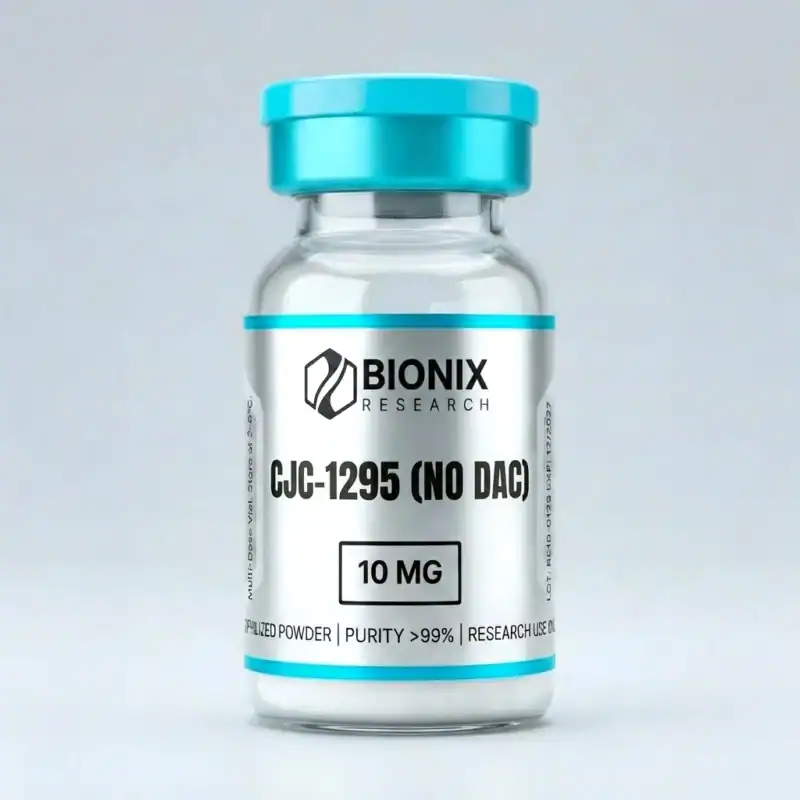
CJC-1295 No DAC
54,90 € Vialincl. VAT
plus Shipping Costs
Delivery time: 1–6 Working Days
Mechanism of Action
CJC-1295 works through direct GHRH receptor activation. The peptide binds GHRH receptors on anterior pituitary somatotroph cells, activates adenylyl cyclase to increase intracellular cAMP, enhances transcription of the GH gene, and stimulates exocytosis of stored GH from secretory granules. The DAC version provides prolonged receptor stimulation.
Research Findings
Pharmacokinetic Studies: Single injection increases mean GH levels 2-10 fold for 6+ days (DAC version). IGF-1 elevation persists for 9-11 days following a single dose. The response demonstrates dose-dependent GH release.
Body Composition: Animal studies show increased lean mass and reduced adipose tissue in some models. Effects are consistent with GH/IGF-1 axis activation.
Safety Considerations
The FDA has identified specific safety concerns with CJC-1295.
FDA-Noted Concerns:
- Increased heart rate
- Systemic vasodilatory reactions
- Limited clinical safety data
- Immunogenicity risk (antibody formation)
Reported Side Effects:
- Injection site reactions (redness, swelling, itching)
- Headache
- Flushing
- Dizziness
- Nausea
- Water retention
Serious Concerns:
- Potential for glucose metabolism disruption
- Theoretical cancer risk (GH/IGF-1 promote cell proliferation)
- Long-term safety unknown
Regulatory Status
United States: CJC-1295 is not FDA approved for any indication. It is classified as Category 2 on the FDA list of bulk drug substances presenting significant safety risks for compounding. It is available only as a research compound and is a WADA prohibited substance.
European Union: Not EMA approved. Research compound only.
Ipamorelin: The Selective Ghrelin Mimetic
Structure and Development
Ipamorelin is a synthetic pentapeptide (five amino acids: Aib-His-D-2-Nal-D-Phe-Lys-NH2) that acts as a selective growth hormone secretagogue receptor (GHSR) agonist.
Key distinction from other GHRPs: Ipamorelin is considered the most selective GHSR agonist, with minimal effects on cortisol release (unlike GHRP-6, GHRP-2), prolactin release, and appetite stimulation (less than ghrelin).
This selectivity makes Ipamorelin attractive for research into GH enhancement without broader hormonal disruption.

Ipamorelin
39,90 € Vialincl. VAT
plus Shipping Costs
Delivery time: 1–6 Working Days
Mechanism of Action
Ipamorelin stimulates GH release through the ghrelin receptor pathway. The peptide acts as an agonist at the ghrelin/GHS receptor, stimulates Gαq and Gαo signaling, increases intracellular calcium in somatotrophs, triggers exocytosis of GH-containing vesicles, and may also stimulate GHRH release and reduce somatostatin at the hypothalamic level.
Superagonist activity: Some research characterizes Ipamorelin as a "superagonist"—producing greater GH release than equivalent doses of ghrelin itself.
Research Findings
Selectivity Studies: Minimal cortisol elevation (unlike GHRP-6). Minimal prolactin effects. Clean GH-specific action profile.
Pharmacokinetics: Short half-life of approximately 2 hours. Rapid onset of action. Preserves pulsatile GH release pattern. Dose-dependent GH response.
Clinical Research: Limited human trials compared to Tesamorelin. Most data comes from preclinical studies and off-label observations.
Safety Considerations
Ipamorelin is often described as having the best tolerability profile among GHRPs.
Reported Side Effects:
- Injection site reactions (most common)
- Headache
- Mild water retention
- Transient dizziness
- Fatigue (temporary)
- Joint stiffness (with GH elevation)
Rare/Serious (requiring immediate attention):
- Significant swelling of hands, feet, or face
- Chest pain or shortness of breath
- Vision changes
- Allergic reactions
FDA Concerns:
- Immunogenicity risk
- Limited clinical safety data
- Classified as Category 2 bulk drug substance presenting significant safety risks
Regulatory Status
United States: Not FDA approved for any indication. Category 2 on FDA bulk drug substance list. Research compound only. WADA prohibited substance.
European Union: Not EMA approved. Research compound only.
Tesamorelin: The Approved GHRH Analog
Structure and Development
Tesamorelin is a synthetic peptide consisting of the 44-amino-acid sequence of human GHRH with an added trans-3-hexenoic acid group at the N-terminus for stability.
Critical distinction: Unlike CJC-1295 and Ipamorelin, Tesamorelin has completed rigorous clinical trials and received regulatory approval.
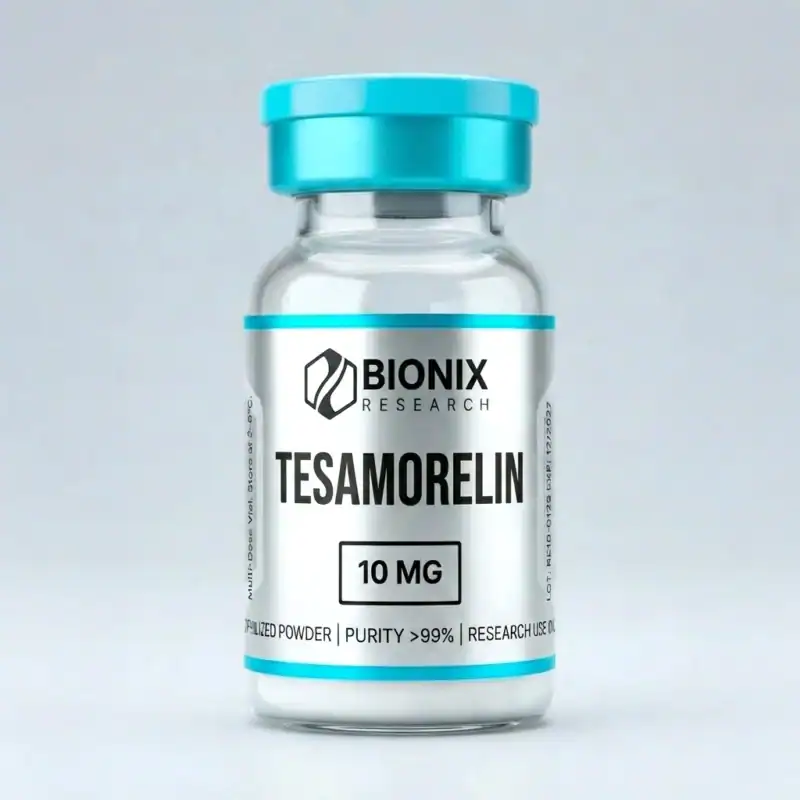
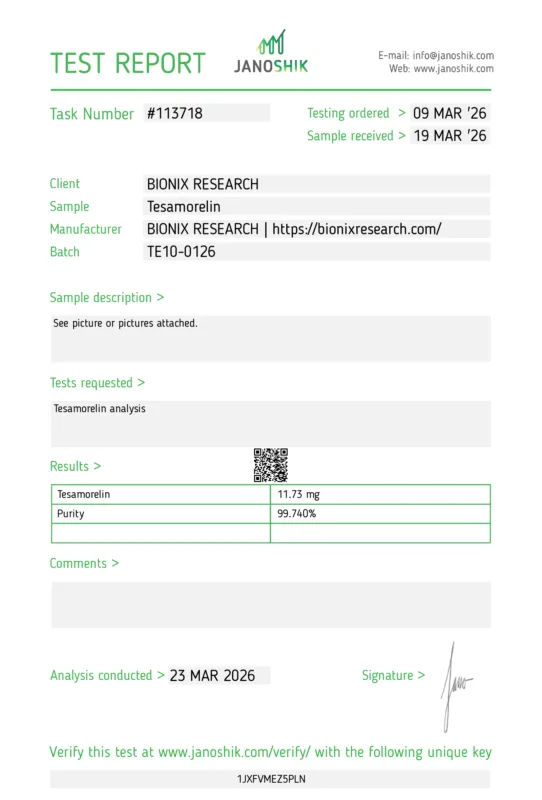
Tesamorelin
79,90 € Vialincl. VAT
plus Shipping Costs
Delivery time: 1–6 Working Days
Mechanism of Action
Tesamorelin works through direct GHRH receptor stimulation. The peptide binds to GHRH receptors and activates receptors on pituitary somatotrophs, initiating cAMP-mediated intracellular signaling that stimulates physiological GH secretion and produces secondary IGF-1 elevation through hepatic stimulation.
FDA-Approved Indication
Tesamorelin is approved specifically for HIV-Associated Lipodystrophy—the reduction of excess abdominal fat in HIV-infected patients with lipodystrophy. It is marketed under the brand name Egrifta® (tesamorelin for injection) at a dosage of 2 mg subcutaneous injection daily.
Clinical Trial Results: Studies demonstrated significant reduction in visceral adipose tissue (VAT), improvements in trunk fat, effects on lipid profiles, and maintenance of effects with continued treatment (reversible upon discontinuation).
Research Beyond Approved Use
Tesamorelin research has expanded beyond HIV lipodystrophy.
NASH/MASH Studies: Phase 2 trials have evaluated the compound in non-alcoholic fatty liver disease, with reductions in liver fat observed. Potential applications in metabolic liver disease are being explored, though no new indications have been approved as of early 2026.
Cognitive Function: Studies in mild cognitive impairment have explored potential neuroprotective effects. The GH/IGF-1 axis has been implicated in brain health. Research in this area continues.
Body Composition (General): Research in non-HIV populations exists, examining effects on visceral fat in obese individuals and potential applications in metabolic syndrome. Evidence remains inconclusive for general weight loss applications.
Safety Profile
Tesamorelin has the most comprehensive safety data of the three peptides.
Common Side Effects:
- Injection site reactions (erythema, pruritus, pain)
- Arthralgia (joint pain)
- Peripheral edema (fluid retention)
- Myalgia (muscle pain)
- Pain in extremities
Important Warnings:
- Contraindicated in active malignancy: GH/IGF-1 promote cell proliferation
- Contraindicated in pregnancy: Category X
- Glucose monitoring required: May affect glucose metabolism
- IGF-1 monitoring recommended: To assess response and safety
Rare but Serious:
- Potential tumor growth stimulation
- Glucose intolerance/diabetes exacerbation
- Hypersensitivity reactions
- Fluid retention complications
Regulatory Status
United States: FDA approved (2010) for HIV-associated lipodystrophy. Prescription required. Available as Egrifta®.
European Union: EMA approved for HIV-associated lipodystrophy. Available as Egrifta®.
The Metabolic Connection: GH Secretagogues and Body Composition
How GH Influences Metabolism
The GH/IGF-1 axis profoundly affects metabolic function and body composition—creating an important connection to the metabolic health pathways discussed in incretin-based therapies.
GH Effects on Body Composition:
| Effect | Mechanism | Outcome |
|---|---|---|
| Lipolysis ↑ | Antagonizes insulin's anti-lipolytic action | Fat mobilization from adipose tissue |
| Protein synthesis ↑ | Direct anabolic effects + IGF-1 | Increased lean mass |
| Visceral fat ↓ | Preferential effect on abdominal adiposity | Improved waist circumference |
| Muscle preservation | Anti-catabolic during caloric deficit | Lean mass maintenance |
Research findings: GH therapy in deficient adults increases lean body mass by 7-8% with corresponding reductions in total and visceral fat mass. Effects on lipid profiles include reduced LDL and increased HDL in some studies. Improvements in metabolic markers have been observed.
Comparing GH Secretagogues to GLP-1 Agonists
Both GH secretagogues and GLP-1 agonists influence body composition, but through fundamentally different mechanisms.
| Aspect | GH Secretagogues | GLP-1 Agonists |
|---|---|---|
| Primary Target | Pituitary GH release | GLP-1 receptors (brain, gut, pancreas) |
| Weight Loss Mechanism | Lipolysis, lean mass preservation | Appetite suppression, gastric slowing |
| Appetite Effects | Minimal (Ipamorelin) to moderate | Strong suppression |
| Glucose Effects | May increase glucose | Strongly improves glucose control |
| Muscle Mass | Preserves/increases | May decrease with rapid weight loss |
| Fat Loss Pattern | Preferential visceral fat | Total body fat reduction |
| Approval Status | Tesamorelin only (lipodystrophy) | Multiple approvals (diabetes, obesity) |
| Weight Loss Magnitude | Modest | Substantial (15-25%) |
Complementary or Competing? These represent different approaches to metabolic optimization. GLP-1 agonists produce greater total weight loss but may sacrifice lean mass. GH secretagogues may better preserve muscle while targeting fat. Some researchers hypothesize potential complementary use, though this remains unstudied.
The Repair and Regeneration Connection: GH and Tissue Healing
GH/IGF-1 in Tissue Repair
Growth hormone and IGF-1 play critical roles in tissue repair and regeneration—connecting GH secretagogues to cellular repair pathways.
GH/IGF-1 Repair Mechanisms:
| Tissue | GH/IGF-1 Effects | Relevance |
|---|---|---|
| Muscle | Satellite cell activation, protein synthesis | Recovery from exercise/injury |
| Bone | Osteoblast stimulation, collagen synthesis | Fracture healing, bone density |
| Cartilage | Chondrocyte proliferation | Joint health, cartilage repair |
| Tendon | Collagen production, tenocyte activity | Tendon healing and strength |
| Skin | Fibroblast activation, collagen synthesis | Wound healing, skin quality |
Research evidence: GH administration accelerates wound healing in burns and surgical patients. IGF-1 promotes muscle regeneration following injury. GH deficiency is associated with impaired healing capacity. Age-related healing decline parallels GH decline.
Comparing GH Secretagogues to Repair Peptides
Both GH secretagogues and repair peptides support tissue healing, but operate through different mechanisms.
| Aspect | GH Secretagogues | BPC-157/TB-500 |
|---|---|---|
| Mechanism | Systemic GH/IGF-1 elevation | Local/direct tissue effects |
| Scope | Whole-body anabolic effects | Targeted tissue repair |
| IGF-1 Involvement | Primary mediator of effects | May interact with GH system |
| Administration | Typically systemic | Often local/targeted |
| Research Stage | Tesamorelin approved; others investigational | Research compounds |
| Primary Application | Body composition, aging | Injury recovery, healing |
Potential Complementarity: Researchers have noted that GH/IGF-1 may create an anabolic environment that supports the localized repair effects of tissue-healing peptides. However, combination protocols remain unstudied and purely theoretical.
Comparative Analysis: Three Approaches to GH Enhancement
| Characteristic | CJC-1295 | Ipamorelin | Tesamorelin |
|---|---|---|---|
| Structure | 29 amino acids (GHRH analog) | 5 amino acids (GHRP) | 44 amino acids (GHRH analog) |
| Receptor Target | GHRH receptor | GHS receptor (ghrelin) | GHRH receptor |
| Half-Life | 6-8 days (DAC) / 30 min (no DAC) | ~2 hours | ~26-38 minutes |
| GH Release Pattern | More sustained (DAC) | Pulsatile | Pulsatile |
| Selectivity | GHRH pathway | Highly selective for GH | GHRH pathway |
| Cortisol Effects | Minimal | Minimal | Minimal |
| FDA Status | Not approved; safety concerns | Not approved; safety concerns | Approved (HIV lipodystrophy) |
| WADA Status | Prohibited | Prohibited | Prohibited |
| Safety Data | Limited | Limited | Extensive clinical trials |
Why Combination Protocols Are Researched
The CJC-1295 + Ipamorelin combination is commonly discussed because of different receptor targets (GHRH-R vs. GHSR creates dual pathway activation), synergistic effect (combined GH release exceeds individual effects), complementary timing (CJC-1295 primes synthesis; Ipamorelin triggers release), and preserved pulsatility (using no-DAC CJC-1295 maintains natural patterns).
However, combination protocols lack controlled clinical trials, and safety/efficacy data comes primarily from preclinical research and anecdotal reports.
Age-Related GH Decline: The Somatopause
Understanding the Decline
GH secretion follows a predictable age-related pattern. During childhood and adolescence, high GH is essential for growth. Peak GH production occurs in the 20s. After age 30, approximately 14% reduction per decade occurs. In older adulthood (60+), GH may be only 20-25% of peak levels.
Contributing factors to age-related decline:
- Reduced GHRH secretion
- Increased somatostatin tone
- Decreased GHSR sensitivity
- Altered sleep architecture (less deep sleep)
- Increased adiposity (fat suppresses GH)
Consequences of GH Decline
The somatopause correlates with many aging-associated changes:
| Change | GH Connection |
|---|---|
| Increased body fat (especially visceral) | Reduced lipolytic effect |
| Decreased muscle mass (sarcopenia) | Reduced anabolic stimulus |
| Reduced bone density | Lower IGF-1, reduced osteoblast activity |
| Impaired recovery | Diminished tissue repair capacity |
| Reduced exercise capacity | Multiple factors |
| Sleep quality decline | Bidirectional relationship |
| Skin thinning | Reduced collagen synthesis |
Research Rationale for Secretagogues
GH secretagogues are researched as potential approaches to age-related decline because they preserve natural regulation (working with, not against, physiological systems), avoid exogenous GH risks (receptor downregulation, supraphysiological levels), maintain pulsatility (preserve natural secretion patterns), and are potentially safer—though this remains to be proven in long-term studies.
Market and Research Developments (2024-2025)
Evolving Landscape
The growth hormone deficiency market is projected to reach USD 4.5 billion by 2035, driven by advancements in early detection and new formulations. Key developments include long-acting GH therapies such as somapacitan and lonapegsomatropin gaining FDA approvals for improved compliance in GH deficiency, shifting from daily injections to weekly administration.
Oral Secretagogues: Development continues on oral growth hormone secretagogues like LUM-201 (Ibutamoren/MK-677 related compound) for pediatric GH deficiency, offering pulsatile GH secretion through oral administration.
Neuroprotective Research: Preclinical studies have shown that ghrelin and ghrelin receptor agonists can mitigate neuroinflammation, reduce vascular injury, and minimize neuronal apoptosis, suggesting potential applications beyond metabolic effects.
Regulatory Environment: The FDA maintains its Category 2 classification for CJC-1295 and Ipamorelin for compounding purposes. State-level regulations (such as in California) require prescriptions for growth hormone secretagogues.
Safety Considerations and Current Limitations
Class-Wide Safety Concerns
All GH secretagogues share certain theoretical risks related to GH/IGF-1 elevation.
Cancer Risk: GH and IGF-1 promote cell proliferation. Theoretical concern exists for tumor promotion. Tesamorelin is contraindicated in active malignancy. Long-term cancer risk data is limited for all compounds.
Glucose Metabolism: GH has anti-insulin effects. It may worsen glucose tolerance. Diabetes risk is potentially increased. Monitoring is recommended with Tesamorelin.
Fluid Retention: GH promotes sodium and water retention. Edema and joint swelling are possible. Blood pressure may be affected. Carpal tunnel syndrome has been reported with GH therapy.
Compound-Specific Considerations
CJC-1295: FDA-noted cardiovascular effects (heart rate, vasodilation). Immunogenicity concerns. Very limited clinical data.
Ipamorelin: Generally considered best-tolerated GHRP. Still lacks comprehensive safety data. Immunogenicity potential. FDA concerns for compounding.
Tesamorelin: Most extensive safety data. Known contraindications (malignancy, pregnancy). Requires glucose and IGF-1 monitoring. Established adverse event profile.
Quality and Purity Concerns
For non-approved compounds (CJC-1295, Ipamorelin): Research-grade products vary in purity. No pharmaceutical manufacturing standards apply. Contamination and degradation risks exist. The FDA has specifically identified compounding safety risks.
The Regulatory Landscape
Current Status Summary
| Peptide | FDA Status | EMA Status | WADA Status |
|---|---|---|---|
| CJC-1295 | Not approved; Category 2 safety concerns | Not approved | Prohibited |
| Ipamorelin | Not approved; Category 2 safety concerns | Not approved | Prohibited |
| Tesamorelin | Approved (HIV lipodystrophy) | Approved (HIV lipodystrophy) | Prohibited |
FDA Position on Compounding
The FDA has specifically addressed CJC-1295 and Ipamorelin in guidance on bulk drug substances for compounding. Both are classified as Category 2 (significant safety risks). Serious adverse events have been identified. Limited clinical data exists to support safe use. Concerns about immunogenicity have been noted.
This classification significantly restricts legal compounding of these peptides in the United States.
Summary: The Future of GH Secretagogue Research
Growth hormone secretagogues represent an approach to hormonal optimization that works with natural physiology rather than replacing endogenous hormones. However, significant distinctions exist among available compounds.
Key Insights:
Two receptor pathways offer different approaches to GH stimulation. GHRH analogs (CJC-1295, Tesamorelin) directly stimulate pituitary GH production. GHSR agonists (Ipamorelin) activate the ghrelin receptor pathway.
Only Tesamorelin has FDA/EMA approval, with extensive clinical trial data supporting its use in HIV-associated lipodystrophy.
CJC-1295 and Ipamorelin remain investigational with limited safety data and specific FDA concerns regarding compounding.
Metabolic connections link GH secretagogues to body composition optimization, complementing but differing from GLP-1 agonist approaches.
Repair and regeneration connections position GH/IGF-1 axis support as relevant to tissue healing, potentially complementing direct-acting repair peptides.
Significant safety questions remain, particularly regarding cancer risk, glucose metabolism, and long-term effects of enhanced GH/IGF-1 signaling.
Market developments include long-acting GH formulations and continued research into oral secretagogues.
For researchers and those following developments in endocrinology and aging science, GH secretagogues offer valuable tools for understanding hormonal regulation and its role in body composition, metabolism, and tissue health.
The relationship between growth hormone, aging, and optimal function continues to be an active area of investigation—with both promise and important cautions.
Frequently Asked Questions: Growth Hormone Peptides & Endocrine Optimization
General Questions About Growth Hormone
Q: What is growth hormone and why does it decline with age?
Growth hormone (GH) is a 191-amino-acid protein hormone produced by the anterior pituitary gland. Despite its name, GH remains important throughout life for metabolism regulation, body composition (muscle-fat balance), bone density maintenance, tissue repair and recovery, sleep quality, and cognitive function.
GH production decreases approximately 14% per decade after age 30. Contributing factors include reduced GHRH (stimulating hormone) secretion, increased somatostatin (inhibiting hormone) tone, changes in sleep architecture (less deep sleep), increased body fat (which suppresses GH), and decreased receptor sensitivity.
This age-related decline—called "somatopause"—parallels many changes associated with aging.
Q: What are growth hormone secretagogues?
Growth hormone secretagogues (GHS) are compounds that stimulate the pituitary gland to release growth hormone. Unlike direct GH injection, secretagogues work with natural regulatory mechanisms.
Two main classes exist:
GHRH analogs (CJC-1295, Tesamorelin): These mimic growth hormone-releasing hormone, activate GHRH receptors on pituitary, and stimulate GH synthesis and release.
GHSR agonists (Ipamorelin): These activate ghrelin/GHS receptors, stimulate GH release through a separate pathway, and may also reduce somatostatin inhibition.
The advantage over direct GH is that secretagogues preserve natural pulsatile GH release patterns and work within physiological regulatory constraints.
Q: How is growth hormone naturally regulated?
GH regulation involves a sophisticated feedback system.
Stimulatory signals: GHRH from hypothalamus (primary stimulator), ghrelin from stomach, deep sleep, exercise, fasting/low blood glucose, certain amino acids.
Inhibitory signals: Somatostatin from hypothalamus, IGF-1 (negative feedback), high blood glucose, free fatty acids, GH itself (short-loop feedback).
Pulsatile pattern: GH is released in bursts (pulses), not continuously. The largest pulses occur during deep sleep. This pulsatility is important for normal physiological effects—continuous GH exposure can cause receptor downregulation.
CJC-1295 Questions
Q: What is CJC-1295 and how does it work?
CJC-1295 is a synthetic 29-amino-acid peptide analog of GHRH. It stimulates GH release by activating GHRH receptors on pituitary somatotroph cells.
Two versions exist:
CJC-1295 with DAC: Contains Drug Affinity Complex enabling albumin binding. Extended half-life (approximately 6-8 days). Single injection provides sustained GH elevation. Creates more continuous release pattern.
CJC-1295 without DAC (Mod GRF 1-29): Shorter half-life (approximately 30 minutes). Preserves natural pulsatile release. Requires more frequent dosing.
Mechanism: Binds GHRH receptor → increases cAMP → stimulates GH synthesis and release
Q: Is CJC-1295 FDA approved?
No. CJC-1295 is not FDA approved for any indication.
Furthermore, the FDA has classified CJC-1295 as a Category 2 bulk drug substance—indicating it presents "significant safety risks" for compounding.
Specific FDA concerns: Increased heart rate, systemic vasodilatory reactions, limited clinical safety data, immunogenicity risk.
CJC-1295 is available only as a research compound and is prohibited by WADA.
Ipamorelin Questions
Q: What is Ipamorelin and how is it different from CJC-1295?
Ipamorelin is a synthetic pentapeptide (5 amino acids) that acts as a selective GHSR (ghrelin receptor) agonist.
| Feature | CJC-1295 | Ipamorelin |
|---|---|---|
| Receptor | GHRH receptor | Ghrelin receptor (GHSR) |
| Length | 29 amino acids | 5 amino acids |
| Half-life | 6-8 days (DAC) | ~2 hours |
| Mechanism | GHRH pathway | Ghrelin pathway |
| Pattern | More sustained | Pulsatile |
Ipamorelin's selectivity advantage: Unlike other GHRPs (GHRP-6, GHRP-2), Ipamorelin has minimal effects on cortisol, prolactin, and appetite—making it the most "selective" GH secretagogue in its class.
Q: Why is Ipamorelin often combined with CJC-1295?
The combination is researched because of different receptor targets (activates both GHRH-R and GHSR pathways), synergistic effect (combined GH release may be 5-10x greater than either alone), complementary actions (CJC-1295 primes GH synthesis; Ipamorelin triggers release), and preserved pulsatility (using CJC-1295 without DAC maintains natural patterns).
Important caveat: This combination has not been studied in controlled clinical trials. Safety and efficacy data comes from preclinical research and anecdotal reports—not rigorous human studies.
Q: What are Ipamorelin's side effects?
Ipamorelin is generally considered the best-tolerated GHRP.
Common (usually mild): Injection site reactions, headache, transient dizziness, mild water retention, fatigue (temporary), joint stiffness.
Rare but serious (seek medical attention): Significant swelling of face, hands, feet; chest pain or shortness of breath; vision changes; allergic reactions.
Safety limitations: Despite its reputation for tolerability, Ipamorelin lacks comprehensive clinical safety data. The FDA has identified it as a Category 2 compound with safety concerns for compounding.
Tesamorelin Questions
Q: What is Tesamorelin and why is it different from the others?
Tesamorelin is a 44-amino-acid synthetic GHRH analog that is FDA and EMA approved—the critical distinction from CJC-1295 and Ipamorelin.
Approved indication: Reduction of excess abdominal fat in HIV-infected patients with lipodystrophy. Brand name: Egrifta®. Dosage: 2 mg subcutaneous daily.
Why approval matters: Tesamorelin has completed rigorous Phase 3 clinical trials with documented efficacy data, comprehensive safety profiling, established adverse event profile, known contraindications, and monitoring requirements.
This level of evidence doesn't exist for CJC-1295 or Ipamorelin.
Q: What are Tesamorelin's side effects and contraindications?
Common side effects: Injection site reactions (erythema, pruritus, pain), arthralgia (joint pain), peripheral edema (fluid retention), myalgia (muscle pain), pain in extremities.
Contraindications: Active malignancy (GH/IGF-1 can promote tumor growth), pregnancy (Category X—evidence of fetal risk), hypersensitivity to tesamorelin or mannitol.
Monitoring requirements: Glucose levels (may affect glucose tolerance), IGF-1 levels (to assess response and safety).
Q: Can Tesamorelin be used for general weight loss?
Tesamorelin is approved only for HIV-associated lipodystrophy—not general obesity or weight loss.
What research shows: Effective for reducing visceral adipose tissue in approved population. Studies ongoing in NASH/MASH (liver disease). Research in non-HIV populations exists but is limited. Evidence remains inconclusive for general weight loss applications.
Off-label considerations: Using Tesamorelin for unapproved indications is off-label. Insurance typically won't cover off-label use. Safety/efficacy may differ in non-approved populations. Should only occur under physician supervision.
Comparison and Mechanism Questions
Q: How do GH secretagogues compare to GLP-1 medications for body composition?
Both influence body composition through different mechanisms.
| Aspect | GH Secretagogues | GLP-1 Agonists |
|---|---|---|
| Weight loss magnitude | Modest | Substantial (15-25%) |
| Primary mechanism | Lipolysis, anabolism | Appetite suppression |
| Muscle effects | Preserves/increases | May decrease |
| Fat targeting | Preferential visceral | Total body fat |
| Glucose effects | May worsen | Strongly improves |
| Approval status | Only Tesamorelin (specific indication) | Multiple broad approvals |
Different tools, different goals: GLP-1 agonists produce greater weight loss but may sacrifice muscle. GH secretagogues may better preserve lean mass while targeting fat. These represent complementary rather than competing approaches—though combination studies are lacking.
Q: How do GH secretagogues relate to tissue repair peptides like BPC-157?
Both influence tissue repair through different mechanisms.
GH secretagogues: Systemic GH/IGF-1 elevation, create whole-body anabolic environment, support general tissue repair capacity, indirect broad effects.
BPC-157/TB-500: Direct tissue effects (often local administration), specific repair pathway activation, targeted healing mechanisms, more localized effects.
Theoretical complementarity: GH/IGF-1 may create an anabolic environment that supports the specific repair effects of peptides like BPC-157. However, this remains theoretical—no studies have tested such combinations.
Safety and Regulatory Questions
Q: Are growth hormone secretagogues safe?
Safety profiles differ significantly.
Tesamorelin: Extensive clinical trial safety data. Known side effect profile. Established contraindications. Requires monitoring but well-characterized.
CJC-1295 and Ipamorelin: Limited clinical safety data. FDA-identified safety concerns. Unknown long-term effects. Category 2 (significant safety risks) for compounding.
Class-wide concerns: Cancer risk (GH/IGF-1 promote cell proliferation), glucose metabolism effects, fluid retention, joint/connective tissue effects.
Q: Why aren't CJC-1295 and Ipamorelin FDA approved?
Several factors explain the lack of approval: insufficient clinical trials (no completed Phase 3 trials for most indications), safety concerns (FDA has identified specific adverse events), commercial considerations (patent status affects development investment), regulatory pathway (approval requires specific, rigorous documentation), and competition (Tesamorelin already approved for related indication).
The FDA's classification of these compounds as Category 2 for compounding reflects concern about safety with currently available data.
Q: Are GH secretagogues banned in sports?
Yes. All growth hormone secretagogues are prohibited by WADA (World Anti-Doping Agency).
Prohibited substances include: CJC-1295 (all forms), Ipamorelin, Tesamorelin, all GHRH analogs, all GHRPs, GH itself.
Rationale: GH secretagogues enhance GH release, which may improve recovery from training, body composition, and exercise capacity.
Athletes subject to anti-doping testing should avoid all GH secretagogues.
Practical Questions
Q: How are these peptides administered?
Administration typically involves subcutaneous injection.
CJC-1295: Subcutaneous injection. With DAC: 1-2x weekly (due to long half-life). Without DAC: 1-3x daily.
Ipamorelin: Subcutaneous injection. Typically 2-3x daily (short half-life). Often timed around sleep and exercise.
Tesamorelin: Subcutaneous injection. 2 mg once daily (per approved labeling). Rotate injection sites.
Peptides generally cannot be taken orally due to digestive degradation.
Q: What natural approaches support GH secretion?
Before considering any peptide intervention, lifestyle factors significantly influence GH.
Sleep optimization: Deep sleep is when largest GH pulses occur. 7-9 hours quality sleep. Consistent sleep schedule. Dark, cool sleep environment.
Exercise: High-intensity exercise triggers acute GH release. Resistance training is particularly effective. Regular physical activity supports the GH axis.
Nutrition: Avoid eating close to bedtime (glucose suppresses GH). Adequate protein intake. Consider intermittent fasting (low glucose stimulates GH). Minimize sugar/refined carbohydrates.
Body composition: Maintain healthy body fat percentage. Excess adiposity suppresses GH. Visceral fat is particularly inhibitory.
Stress management: Chronic stress affects hormonal balance. Adequate recovery between training sessions.
These foundational approaches support natural GH function and should precede consideration of any pharmacological intervention.
Summary: Key Takeaways About GH Secretagogues
| Question | Short Answer |
|---|---|
| What are they? | Peptides that stimulate natural GH release from the pituitary |
| How do they work? | GHRH receptor (CJC-1295, Tesamorelin) or ghrelin receptor (Ipamorelin) |
| Which is approved? | Only Tesamorelin (for HIV lipodystrophy) |
| Are the others safe? | Limited data; FDA has identified safety concerns |
| Are they banned in sports? | Yes, all are WADA prohibited |
| How do they compare to GLP-1 drugs? | Different mechanisms; GH preserves muscle, GLP-1 suppresses appetite |
| What's the cancer risk? | Theoretical concern; Tesamorelin contraindicated in malignancy |
| Natural alternatives? | Sleep, exercise, fasting, body composition optimization |
This article and FAQ are provided for educational purposes only. Only Tesamorelin is FDA/EMA approved, and only for HIV-associated lipodystrophy. CJC-1295 and Ipamorelin are not approved for any indication and have been identified by FDA as presenting significant safety risks. Always consult qualified healthcare professionals before considering any hormonal intervention.

