


Knowledge Base
Gut Health & Intestinal

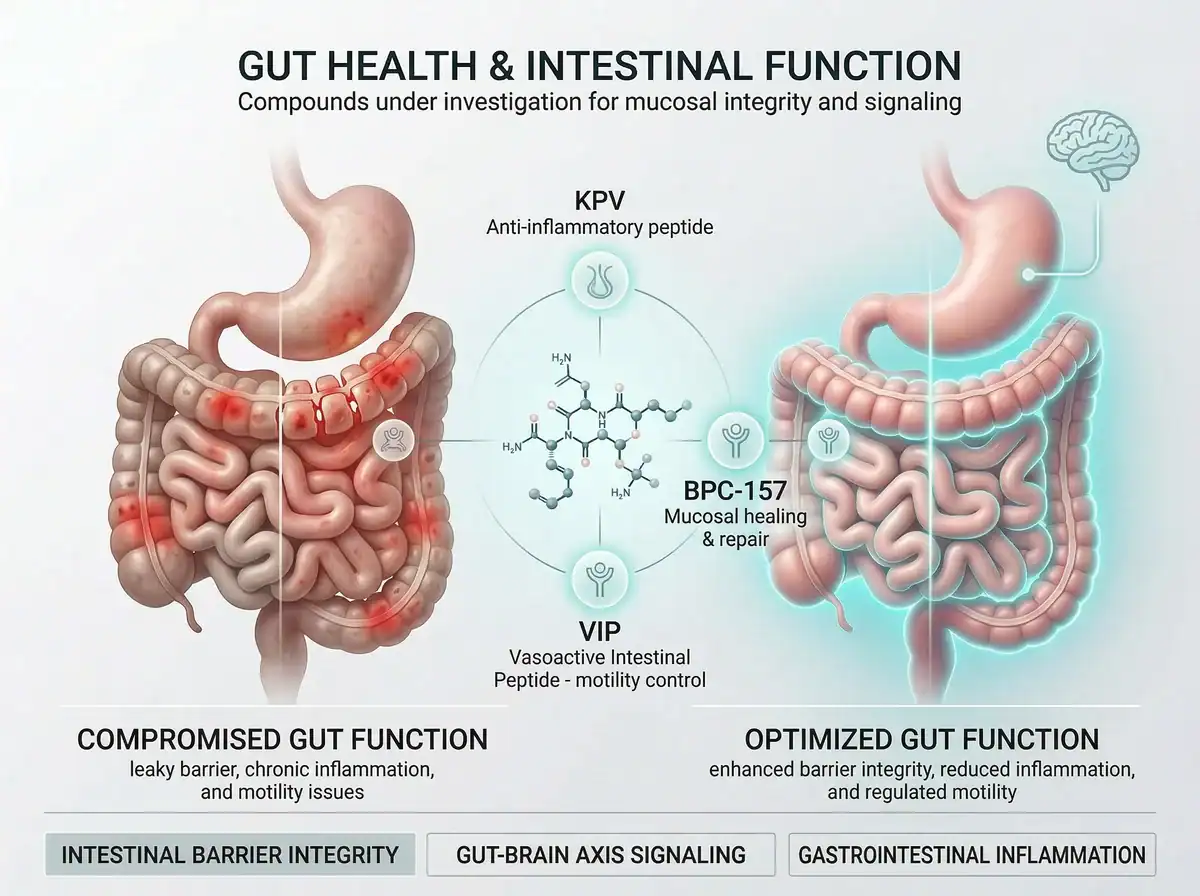
Gut Health & Intestinal Function: The Science Behind Peptides That Support Digestive Health and Intestinal Barrier Integrity
How gut-active peptides are being studied for their potential roles in barrier function, inflammation modulation, and the gut-brain connection
The Gut: More Than Digestion
The gastrointestinal tract of the human body is far more than a food-processing system. This 30-foot tube represents one of the most complex and consequential organ systems, functioning simultaneously as a digestive organ breaking down and absorbing nutrients, an immune organ housing 70-80% of immune cells, an endocrine organ producing dozens of hormones, a barrier system separating internal tissues from the external environment, a neural network containing 500 million neurons (the "second brain"), and a microbial ecosystem hosting trillions of bacteria, fungi, and viruses.
The critical insight: The intestinal epithelium—a single layer of cells only 0.02mm thick—represents the largest interface between the human body and the outside world. Maintaining this barrier while allowing nutrient absorption requires exquisitely precise regulation.
When barrier function fails, the consequences extend far beyond digestive symptoms. Increased intestinal permeability—colloquially termed "leaky gut"—has been implicated in inflammatory bowel disease (IBD), autoimmune conditions, metabolic dysfunction, neurological disorders, and systemic inflammation.
The research question: Can peptide-based therapies support intestinal barrier integrity, modulate gut inflammation, and restore healthy digestive function?
Several peptides are being investigated for these applications, with VIP (Vasoactive Intestinal Peptide) representing a unique approach due to its role as an endogenous gut regulator. Additionally, peptides discussed in other categories—particularly BPC-157 and KPV—demonstrate significant gut-related effects, highlighting the interconnected nature of peptide research.
Understanding the Intestinal Barrier
Anatomy of the Gut Barrier
The intestinal barrier consists of multiple defensive layers working in concert.
Mucus Layer: Secreted by goblet cells, this layer forms a physical barrier preventing bacterial contact with the epithelium. It contains antimicrobial peptides and IgA antibodies. In the colon, two distinct layers exist: an inner sterile layer and an outer bacteria-inhabited layer.
Epithelial Cell Layer: A single layer of specialized cells connected by tight junctions serves as the critical gatekeepers. This layer includes enterocytes, goblet cells, Paneth cells, and enteroendocrine cells. Constant turnover replaces the entire epithelial surface every 3-5 days.
Tight Junctions: These protein complexes seal gaps between epithelial cells. Key proteins include Occludin, Claudins, ZO-1, ZO-2, and JAM-A. Tight junctions regulate paracellular permeability—what passes between cells—and function as dynamic structures that open and close in response to signals.
Immune Components: The gut-associated lymphoid tissue (GALT), intraepithelial lymphocytes, lamina propria immune cells, and secretory IgA form the immunological component of barrier defense.
What Is "Leaky Gut"?
Increased intestinal permeability occurs when tight junction integrity is compromised.
Normal State: Tight junctions selectively permit small nutrients while preventing passage of bacteria, toxins, and large molecules. This maintains immune tolerance to food antigens.
Compromised State: Gaps between cells allow inappropriate passage. Bacterial components such as lipopolysaccharide (LPS) enter circulation. Immune activation and inflammation result. Systemic effects extend beyond the gut.
Key Regulatory Molecule—Zonulin: Zonulin is the only known physiological regulator of tight junction permeability. Elevated zonulin indicates increased permeability and is being studied as a biomarker for barrier dysfunction.
Conditions Associated with Barrier Dysfunction
| Condition | Barrier Relevance |
|---|---|
| Inflammatory Bowel Disease (IBD) | Direct epithelial damage, chronic inflammation |
| Celiac Disease | Gluten-triggered zonulin release, permeability |
| Type 1 Diabetes | Barrier dysfunction precedes autoimmunity |
| Metabolic Syndrome | LPS translocation drives inflammation |
| Neurological Conditions | Gut-brain axis, systemic inflammation |
| Food Sensitivities | Antigen passage triggering immune response |
VIP (Vasoactive Intestinal Peptide): The Gut's Endogenous Regulator
Structure and Discovery
VIP is a 28-amino-acid neuropeptide discovered in 1970, initially identified for its vasodilatory effects. Subsequent research revealed it as a crucial regulator of gastrointestinal function.
The peptide is produced by neurons in the gut (enteric nervous system), brain, and immune cells. It is a member of the secretin-glucagon peptide family and acts through VPAC1 and VPAC2 receptors (G-protein coupled). VIP has a short half-life in circulation of approximately 1 minute and is widely distributed throughout the body.
VIP Peptide – Vasoactive Intestinal Peptide
69,90 € Vialincl. VAT
plus Shipping Costs
Delivery time: 1–6 Working Days
VIP's Role in Gut Health
VIP performs multiple critical functions in the gastrointestinal system.
Intestinal Barrier Protection:
| Effect | Mechanism | Research Evidence |
|---|---|---|
| Reduces epithelial apoptosis | Anti-apoptotic signaling in intestinal epithelial cells | Protected against DSS/DNBS-induced colitis |
| Preserves tight junctions | Maintains Cdx2 expression (intestinal function regulator) | Attenuated permeability in animal models |
| Restores barrier function | Reduces FITC-dextran passage (permeability marker) | Rescued VIP-deficient phenotypes |
Immune Modulation:
VIP acts as a potent immunoregulator in the gut. The peptide promotes regulatory T cells, shifting immune responses toward tolerance. It suppresses Th1/Th17 responses, reducing inflammatory cytokines. VIP induces Th2 responses for an anti-inflammatory shift, regulates TLR signaling to modulate innate immunity, and recruits ILC3 cells to enhance pathogen defense via IL-22.
Motility and Secretion:
VIP relaxes smooth muscle to accommodate food, stimulates intestinal secretion, inhibits gastric acid production, promotes blood flow to mucosa, and coordinates digestive processes.
Gut-Brain Axis:
VIP neurons form part of the enteric nervous system. The peptide communicates with the central nervous system, influences stress responses, modulates vagal signaling, and affects mood and behavior through gut-brain connections.
Research in Inflammatory Conditions
Inflammatory Bowel Disease: Decreased VIP+ neurons have been observed in IBD patients. VIP treatment ameliorates colitis severity in animal models, restores barrier function, and reduces inflammation. Therapeutic potential has been suggested though no approvals exist.
Colitis Models: VIP provides protection against DSS-induced colitis, reduces histological damage, preserves epithelial integrity, and promotes anti-inflammatory cytokine shifts.
VIP Beyond the Gut
Pulmonary Applications: VIP has been studied in pulmonary hypertension, investigated for sarcoidosis, and evaluated in COVID-19 respiratory failure (aviptadil trials). Inhaled VIP has been well-tolerated in human studies.
Neurological Effects: VIP demonstrates neuroprotective properties, circadian rhythm regulation, and anti-inflammatory effects in the CNS.
Current Development Status
| Jurisdiction | Status |
|---|---|
| United States | Not FDA approved for any indication |
| European Union | Not approved; research compound |
| Worldwide | Investigational |
Clinical trials have included Phase I/II studies in respiratory conditions and ongoing investigation for various inflammatory conditions. Aviptadil (synthetic VIP) has been studied in COVID-19. No approved indications exist for gut health applications.
Safety Profile
Available Evidence: VIP is generally well-tolerated in clinical studies. Inhaled VIP has proven safe in pulmonary trials. The short half-life limits systemic exposure.
Reported Effects: Vasodilation is expected from the mechanism of action. Potential hypotension may occur. Notably, VIP infusion can trigger migraine in susceptible individuals (90% vs. 33% placebo in one study).
Limitations: Limited long-term human safety data exist. Most evidence comes from small trials or animal studies. Stability challenges complicate therapeutic use.
Cross-Reference: BPC-157 and Gut Health
The Gastric Origin Connection
BPC-157 (Body Protection Compound-157) was originally isolated from human gastric juice—making its gut-protective properties particularly relevant. While discussed comprehensively in the Cellular Repair & Regeneration article, BPC-157's gastrointestinal effects deserve specific attention.
BPC-157's Gut-Specific Mechanisms
Cytoprotective Effects: BPC-157 mediates "Robert's cytoprotection" in gastric tissue, counteracts lesions from NSAIDs, alcohol, and stress, maintains gastrointestinal mucosa integrity, and demonstrates unusual stability in human gastric juice.
Barrier and Healing: The peptide promotes angiogenesis in gut tissue (blood vessel formation), accelerates ulcer healing, supports tissue regeneration after injury, and activates satellite cells for repair.
Gut-Brain Axis: Research confirms BPC-157 modulates gut-brain communication, affects both neural and gastrointestinal functions, and may influence neurotransmitter systems through gut pathways.

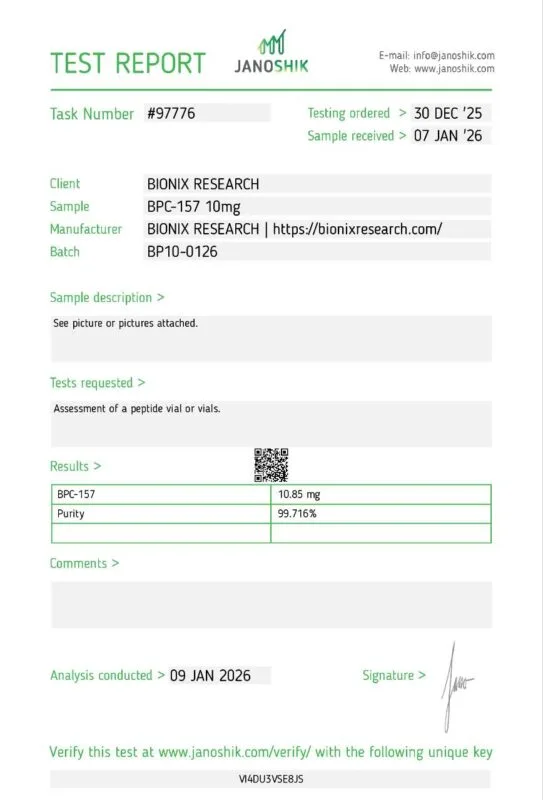
BPC-157
24,90 € Vialincl. VAT
plus Shipping Costs
Delivery time: 1–6 Working Days
Research Evidence
| Application | Evidence Level | Key Findings |
|---|---|---|
| Gastric ulcers | Preclinical (extensive) | Accelerated healing, protection from NSAIDs |
| Short bowel syndrome | Preclinical | Restored function, weight gain |
| Inflammatory lesions | Preclinical | Reduced damage, promoted healing |
| IBD/Colitis | Preclinical + early clinical claims | Symptom improvement reported |
Limitations: No FDA approval exists. Most evidence comes from animal studies. Human clinical trial data remains limited. Quality concerns arise from unregulated sources.
Cross-Reference: KPV and Intestinal Inflammation
The Anti-Inflammatory Tripeptide
KPV (Lys-Pro-Val) is discussed in the Immune Modulation article, but its strong gut-specific effects make it highly relevant to intestinal health.
KPV's Intestinal Mechanisms
NF-κB Inhibition: KPV blocks the master inflammatory transcription factor, reduces IL-8, TNF-α, and other pro-inflammatory cytokines, and operates independently of melanocortin receptor activation.
PepT1-Mediated Uptake: The peptide is actively transported into intestinal epithelial cells, achieves high intracellular concentrations, and this mechanism is essential for anti-inflammatory effects.
Barrier Function Support: KPV upregulates tight junction proteins (Occludin, ZO-1), restores barrier integrity, and reduces intestinal permeability.
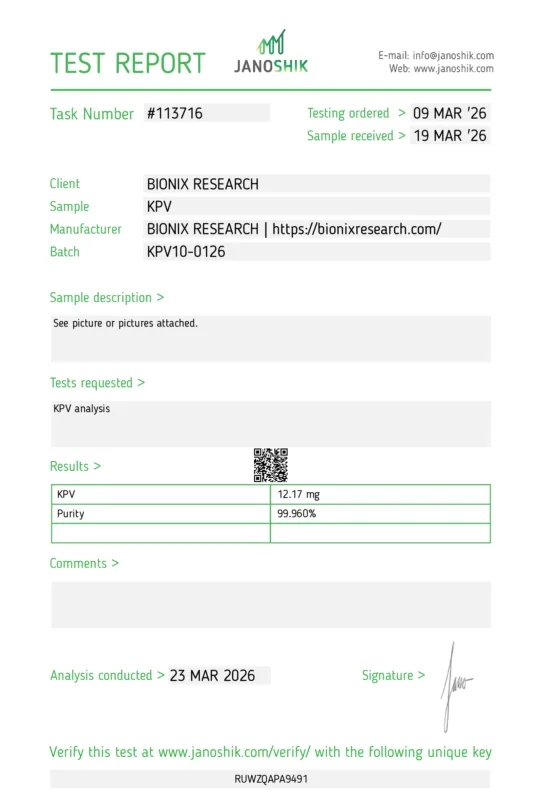
KPV
34,90 € Vialincl. VAT
plus Shipping Costs
Delivery time: 1–6 Working Days
Research in IBD Models
| Model | Findings |
|---|---|
| DSS-induced colitis | Significant improvement in disease activity |
| TNBS colitis | Reduced inflammation, histological improvement |
| Barrier studies | Restored tight junction protein expression |
| Cytokine profiles | Decreased pro-inflammatory markers |
Recent Developments (2024-2025)
Advanced Delivery Systems: Lipid nanocapsule systems (LNC-Ted HAKPV) deliver KPV with hyaluronic acid (HA), promoting GLP-2 production for intestinal repair, modulating CD44/TLR4 pathways for anti-inflammation, and enabling redox-responsive release in inflamed conditions. HA-KPV conjugation enhances colon-specific targeting, reducing systemic exposure and supporting microbiota homeostasis.
Advantages: KPV's tripeptide structure offers simplicity and low immunogenicity. Oral bioavailability is rare for peptides. Targeted anti-inflammatory action occurs without broad immunosuppression.
The Gut-Brain Axis Connection
Bidirectional Communication
The gut and brain are in constant communication through multiple pathways.
Neural Pathway (Vagus Nerve): Direct nerve connection exists between gut and brain. Eighty percent of vagal fibers are afferent (gut → brain). VIP-producing neurons participate in this signaling. This pathway affects mood, stress response, and cognition.
Hormonal Pathway: Gut hormones affect brain function. GLP-1, PYY, and ghrelin influence appetite and mood. Enteroendocrine cells serve as sensory transducers.
Immune Pathway: Gut inflammation produces systemic cytokines. Cytokines cross the blood-brain barrier. Neuroinflammation can result from gut dysfunction.
Microbial Pathway: Gut bacteria produce neurotransmitters. Short-chain fatty acids affect brain function. Microbial metabolites influence behavior.
Implications for Gut Health Peptides
Peptides that support gut health may have effects beyond digestion.
VIP: Functions as a direct neurotransmitter in both gut and brain, modulates stress responses, and demonstrates anti-inflammatory effects in CNS.
BPC-157: Demonstrated gut-brain axis modulation, affects dopaminergic and serotonergic systems, and may influence mood through gut pathways.
KPV: Reduces systemic inflammation, may indirectly benefit CNS through gut health, and offers potential for neuroinflammation reduction.
Emerging Research: Novel Gut-Protective Peptides
New Developments (2024-2025)
Recent research has identified promising new peptide approaches for intestinal health.
LLLE Peptides: These peptides alleviate colitis, improve colon morphology, lower disease activity index (DAI) scores, reduce IL-6, decrease Bacteroidetes, and restore metabolites like indole-3-propionic acid.
IGF-1C in HA Scaffolds: This approach provides sustained release, anti-inflammatory effects, mucosal healing, and boosts beneficial Akkermansia abundance in the microbiome.
RGD-Conjugated Peptides: These improve colon targeting for permeability issues through specific receptor binding.
Antimicrobial Peptides (AMPs): Peptides like PG-1 target pathogens (e.g., Acinetobacter baumannii) while sparing beneficial flora, with applications in coatings to prevent biofilm-related complications.
Short Peptides from Food Sources
Research has identified promising peptides from food protein hydrolysis.
Chicken Protein-Derived Peptides: GPEGPPGFP and VPPPFNP sequences increase ZO-1 and Occludin expression, work via the JAK-STAT pathway, and demonstrate high gastrointestinal stability.
Rice Protein Peptides: These activate Keap1-Nrf2 signaling, boost antioxidant enzymes, upregulate tight junction proteins, and protect against colitis in models.
Ongoing Clinical Research
NCT05482464: This ongoing trial tests casein glycomacropeptide (CGMP) for IBS, evaluating promotion of beneficial bacteria (Bifidobacterium spp.), prevention of pathogen adhesion, and modulation of macrophage inflammation via 16S rRNA and metabolome analysis.
Comparative Analysis: Gut Health Peptides
| Characteristic | VIP | BPC-157 | KPV |
|---|---|---|---|
| Structure | 28 amino acids | 15 amino acids | 3 amino acids (tripeptide) |
| Origin | Endogenous neuropeptide | Gastric juice derivative | α-MSH fragment |
| Primary Mechanism | VPAC1/2 receptor activation | Multi-pathway (NO, growth factors) | NF-κB inhibition via PepT1 |
| Barrier Effects | Maintains integrity, reduces apoptosis | Promotes healing, cytoprotection | Upregulates tight junctions |
| Anti-inflammatory | Strong (Treg induction, Th2 shift) | Moderate | Strong (direct NF-κB block) |
| Gut-Brain | Direct (neurotransmitter) | Yes (modulates axis) | Indirect (inflammation reduction) |
| Administration | IV, inhaled (research) | Injection, oral (research) | Oral, injection |
| Regulatory Status | Investigational | Not approved | Not approved |
| Human Data | Limited clinical trials | Very limited | Primarily preclinical |
Complementary Approaches to Gut Health
Beyond Peptides
Gut health optimization typically involves multiple strategies.
Dietary Factors: Fiber intake provides prebiotic effects. Fermented foods serve as probiotic sources. Polyphenols offer anti-inflammatory benefits. Avoiding trigger foods prevents barrier stress.
Lifestyle Factors: Stress management addresses the gut-brain axis. Sleep quality supports circadian gut rhythms. Exercise promotes microbiome diversity. Avoiding unnecessary antibiotics preserves beneficial flora.
Established Supplements: L-glutamine serves as epithelial fuel and supports barrier function. Collagen peptides support gut lining. Zinc carnosine promotes mucosal healing. Specific probiotic strains address specific conditions.
Connection to Other Pathways: NAD+ metabolism supports cellular energy for gut cells. Immune modulation through compounds like Thymosin Alpha-1 affects gut immunity. Tissue repair peptides including TB-500 complement gut healing.
Safety Considerations
VIP Safety Profile
Available Evidence: VIP is well-tolerated in inhaled form based on pulmonary studies. Hypotension is possible due to vasodilatory effects. Migraine triggering occurs in susceptible individuals. Short half-life limits systemic exposure.
Unknowns: Long-term effects remain undefined. Optimal dosing for gut applications is not established. Drug interactions are not well characterized.
General Peptide Cautions
For research peptides (VIP, BPC-157, KPV):
- Quality and purity vary from unregulated sources
- No standardized manufacturing exists
- Limited human safety data is available
- Potential for contamination exists
- Individual responses may vary
Summary: The Future of Gut Health Peptide Research
The intestinal barrier represents a critical interface between the human body and the external environment. Its dysfunction contributes to conditions ranging from digestive disorders to systemic inflammation to neurological effects via the gut-brain axis.
Key Insights:
VIP is an endogenous gut regulator with demonstrated barrier-protective and anti-inflammatory effects in preclinical research.
BPC-157's gastric origin underlies its gut-protective properties, with extensive preclinical evidence for ulcer healing and barrier support.
KPV offers targeted anti-inflammatory action through NF-κB inhibition, with strong preclinical evidence in colitis models and promising new delivery systems enhancing colon-specific targeting.
The gut-brain axis means that gut health peptides may have effects extending beyond digestive function into mood, cognition, and neurological health.
Emerging peptides from food sources and novel delivery technologies represent active areas of 2024-2025 research.
Regulatory status remains investigational for all peptides discussed; no FDA approvals exist for gut health indications.
Complementary approaches including diet, lifestyle, and established supplements form the foundation of gut health optimization.
For researchers and those following developments in digestive health science, gut-active peptides offer promising tools for understanding barrier function, inflammation, and the complex relationships between the gut and systemic health.
Frequently Asked Questions: Gut Health Peptides & Intestinal Function
General Questions About Gut Health
Q: What is intestinal permeability and why does it matter?
Intestinal permeability refers to how easily substances can pass through the intestinal lining into the bloodstream. The intestinal barrier is designed to allow nutrients, water, and electrolytes while preventing bacteria, toxins, undigested food particles, and pathogens from crossing.
When permeability increases beyond normal ("leaky gut"), inappropriate substances enter circulation, potentially triggering immune activation and inflammation, food sensitivities, systemic inflammatory responses, and contributions to autoimmune conditions.
The gut barrier is the largest interface between the human body and the external environment. Its integrity affects not just digestive health but immune function, metabolism, and even brain health through the gut-brain axis.
Q: What are tight junctions?
Tight junctions are protein complexes that seal the spaces between intestinal epithelial cells. Key components include Occludin (structural barrier protein), Claudins (family of proteins regulating permeability), ZO-1 and ZO-2 (scaffold proteins connecting tight junctions to cell interior), and JAM-A (junction adhesion molecule).
Tight junctions are dynamic—they open and close in response to signals. When functioning properly, they allow selective passage of nutrients while blocking harmful substances. When compromised, increased permeability results.
Both KPV and VIP have been shown to support tight junction protein expression in research models.
Q: What is the gut-brain axis?
The gut-brain axis refers to the bidirectional communication system between the gastrointestinal tract and the central nervous system. Communication occurs through the vagus nerve (direct neural connection), hormones (gut hormones affecting brain function), immune signals (cytokines produced in gut affecting brain), and microbial metabolites (bacterial products influencing mood and cognition).
Gut dysfunction can affect mood, cognition, and stress responses. Stress and psychological states affect gut function. Gut inflammation contributes to neuroinflammation. Many neurotransmitters are produced in the gut—approximately 90% of serotonin originates there.
VIP and BPC-157 both participate in gut-brain signaling.
VIP (Vasoactive Intestinal Peptide) Questions
Q: What is VIP and what does it do in the gut?
VIP (Vasoactive Intestinal Peptide) is a 28-amino-acid neuropeptide produced by neurons in the gut and brain.
Barrier function: VIP protects intestinal epithelial cells from apoptosis, maintains tight junction integrity, and reduces intestinal permeability.
Immune modulation: VIP promotes regulatory T cells (tolerance), suppresses inflammatory Th1/Th17 responses, and recruits protective immune cells (ILC3s).
Motility and secretion: VIP relaxes gut smooth muscle, stimulates intestinal secretion, inhibits gastric acid production, and increases mucosal blood flow.
VIP is a natural regulator of gut function, making it an interesting target for therapeutic development.
Q: Is VIP approved for treating gut conditions?
No. VIP is not FDA or EMA approved for any gut-related indication.
Current status: VIP remains an investigational compound. Clinical trials have focused primarily on respiratory conditions (pulmonary hypertension, COVID-19). Preclinical evidence supports gut applications. No approved formulations exist for IBD or other digestive conditions.
Challenges: VIP has a very short half-life (approximately 1 minute in blood). Stability issues and delivery challenges complicate therapeutic use.
Q: What are VIP's side effects?
Expected effects: Vasodilation is inherent to VIP's mechanism. Potential blood pressure reduction and flushing may occur.
Notable finding: VIP infusion can trigger migraine in susceptible individuals (90% vs. 33% placebo in one study).
General tolerability: Inhaled VIP has been well-tolerated in pulmonary studies. No major adverse events have been reported in limited trials. Long-term safety data is lacking.
BPC-157 and Gut Health Questions
Q: Why is BPC-157 relevant to gut health?
BPC-157 was originally isolated from human gastric juice, making it a naturally gut-associated peptide.
Cytoprotection: The peptide protects gastric mucosa from damage (NSAIDs, alcohol, stress), remains stable in gastric juice (unusual for peptides), and mediates "Robert's cytoprotection."
Healing: BPC-157 accelerates ulcer healing, promotes tissue regeneration, supports angiogenesis (blood vessel formation), and aids recovery in short bowel syndrome models.
Gut-brain axis: The peptide modulates communication between gut and brain and may affect neurotransmitter systems through gut pathways.
Q: Can BPC-157 be taken orally for gut health?
BPC-157 shows unusual stability in gastric juice, and some research protocols use oral administration.
Evidence: Oral administration has been effective in some animal models. Gastric stability allows intestinal delivery. Direct effects on gut lining may occur.
Limitations: Bioavailability is not fully characterized in humans. No standardized oral formulations exist. Quality concerns arise with available products. No FDA approval exists.
KPV and Gut Health Questions
Q: How does KPV help with gut inflammation?
KPV (Lys-Pro-Val) reduces gut inflammation through specific mechanisms.
Primary mechanism: The peptide is transported into intestinal cells via the PepT1 transporter, inhibits NF-κB (master inflammatory transcription factor), and reduces pro-inflammatory cytokine production.
Barrier support: KPV upregulates tight junction proteins (Occludin, ZO-1), restores barrier integrity, and reduces intestinal permeability.
Research evidence: KPV has proven effective in DSS and TNBS colitis models, reduces disease activity scores, improves histological markers, and is effective via oral administration.
Q: Is KPV better than other anti-inflammatory approaches for the gut?
KPV offers some potential advantages.
Advantages: Targeted NF-κB inhibition occurs without broad immunosuppression. The tripeptide structure is simple with low immunogenicity. Oral bioavailability is rare for peptides. Direct intestinal uptake via PepT1 enhances efficacy.
Limitations: No human clinical trials have been completed. No approval exists for any indication. Evidence is primarily preclinical. Unknown long-term effects remain.
KPV represents a promising research compound, but comparison to established therapies requires human clinical data that doesn't yet exist.
Practical Questions
Q: Which peptide is best for gut health?
There is no "best" peptide—each addresses different aspects.
VIP: Endogenous regulator, broad gut functions, barrier protection, immune modulation
BPC-157: Healing-focused, ulcer protection, tissue regeneration, gut-brain axis
KPV: Anti-inflammatory focused, NF-κB inhibition, barrier support, IBD models
All remain investigational. No head-to-head comparisons exist. Individual responses may vary. Foundational approaches (diet, lifestyle) should come first.
Q: Are any gut health peptides FDA approved?
No. None of the peptides discussed (VIP, BPC-157, KPV) are FDA approved for gut health indications.
Status:
- VIP: Investigational; trials mostly in respiratory conditions
- BPC-157: Not approved; limited registered clinical trials
- KPV: Not approved; preclinical research only
Approved gut therapies include various medications for IBD (biologics, immunomodulators, aminosalicylates) but not these peptides.
Q: What natural approaches support gut barrier function?
Evidence-based strategies include:
Dietary: L-glutamine serves as primary fuel for enterocytes. Fiber and prebiotics support the microbiome and SCFA production. Fermented foods provide probiotic benefits. Bone broth and collagen provide glycine and proline for gut lining. Zinc supports mucosal healing. Avoiding known triggers prevents barrier stress.
Lifestyle: Stress management is important because stress increases permeability. Adequate sleep supports circadian gut rhythms. Regular exercise promotes microbiome diversity. Limiting alcohol and NSAIDs protects barrier integrity.
Supplements with evidence: L-glutamine (5-10g daily studied), zinc carnosine, specific probiotic strains, and collagen peptides all have supporting evidence.
These foundational approaches should precede consideration of research peptides.
Q: How do gut health peptides connect to other peptide categories?
Multiple connections exist.
Cellular Repair (BPC-157, TB-500): BPC-157 originates from gastric juice. Tissue healing principles apply to gut lining. Gut-brain axis modulation occurs.
Immune Modulation (KPV, Thymosin Alpha-1): KPV's primary gut application is anti-inflammatory. The gut houses 70-80% of immune cells. Immune-gut-brain connections are extensive.
Cellular Energy (NAD+): Gut epithelial cells require substantial energy. They turn over every 3-5 days with high energy demand. NAD+ supports cellular function.
Metabolic Health: Gut barrier affects metabolic endotoxemia. Gut hormones (GLP-1, etc.) regulate metabolism. The microbiome influences metabolic health.
Summary: Key Takeaways About Gut Health Peptides
| Question | Short Answer |
|---|---|
| What is VIP? | Endogenous neuropeptide regulating gut barrier, immunity, motility |
| Is VIP approved? | No—investigational for all indications |
| What about BPC-157 for gut? | Gastric origin; preclinical evidence for ulcers, healing |
| What about KPV for gut? | Anti-inflammatory; NF-κB inhibition; IBD model evidence |
| Which is best? | No head-to-head data; different mechanisms |
| Are any FDA approved? | No gut health peptides are approved |
| What works naturally? | L-glutamine, fiber, probiotics, stress management |
| How do peptides connect? | Links to repair, immune, energy, and metabolic pathways |
This article and FAQ are provided for educational purposes only. VIP, BPC-157, and KPV are investigational compounds without regulatory approval for gut health indications. Always consult qualified healthcare professionals for digestive health concerns.

