


Knowledge Base
Sexual Health & Reproductive Function


The Science Behind Peptides That Influence Desire, Arousal, and Reproductive Signaling
How melanocortin-targeting peptides and reproductive hormone modulators are being studied for their potential roles in sexual health, libido enhancement, and fertility support
The Neuroscience of Sexual Function
Sexual function in the human body represents one of the most complex integrations of neurological, hormonal, vascular, and psychological systems. Unlike simple reflexes, sexual desire and arousal involve coordinated activity across multiple brain regions, hormone axes, and peripheral tissues.
Understanding sexual dysfunction requires recognizing a key distinction often overlooked: Sexual function involves two separate but interconnected processes. Desire (libido) refers to the psychological motivation or interest in sexual activity—primarily regulated by central nervous system pathways. Arousal (physical response) refers to the physiological changes enabling sexual activity—involving vascular, muscular, and hormonal responses.
Traditional pharmaceutical approaches such as sildenafil and tadalafil target arousal mechanisms—specifically blood flow. But for individuals whose primary challenge is desire—the absence of interest or motivation—these approaches offer limited benefit. Approximately 30-40% of men using PDE5 inhibitors report inadequate response, often because their dysfunction involves more than blood flow.
This distinction has driven research into compounds that target the neurological pathways of desire, particularly the melanocortin system in the central nervous system.
The Melanocortin System: Beyond Skin Pigmentation
What Are Melanocortins?
Melanocortins are a family of peptide hormones derived from pro-opiomelanocortin (POMC). The family includes α-MSH (alpha-melanocyte-stimulating hormone), which regulates pigmentation, energy homeostasis, and sexual function. Related peptides β-MSH and γ-MSH serve similar functions, while ACTH (adrenocorticotropic hormone) regulates cortisol production.
These peptides act through five melanocortin receptors (MC1R-MC5R), each with distinct tissue distributions and functions:
| Receptor | Primary Location | Key Functions |
|---|---|---|
| MC1R | Skin melanocytes | Pigmentation (tanning) |
| MC2R | Adrenal cortex | Cortisol production |
| MC3R | Hypothalamus, limbic system | Energy homeostasis, sexual function |
| MC4R | Hypothalamus, spinal cord | Appetite, sexual arousal, erectile function |
| MC5R | Exocrine glands, skin | Sebaceous secretion, pheromone regulation |
The MC3R/MC4R Sexual Connection
Research has revealed that MC3R and MC4R activation in the central nervous system directly influences sexual desire and arousal. MC4R in particular is expressed in hypothalamic nuclei controlling sexual behavior and present in spinal cord regions governing genital reflexes. Activation triggers both psychological desire and physical arousal, working independently of vascular mechanisms unlike PDE5 inhibitors.
This discovery—that melanocortin receptors in the brain directly control sexual response—opened an entirely new therapeutic avenue: targeting desire at its neurological source rather than merely enhancing blood flow to peripheral tissues.
PT-141 (Bremelanotide): The FDA-Approved Desire Enhancer
Structure and Development
PT-141, known pharmaceutically as bremelanotide (brand name Vyleesi®), is a cyclic heptapeptide that acts as a melanocortin receptor agonist with selectivity for MC3R and MC4R.
The compound's development history illustrates the unexpected paths of pharmaceutical research. Originally derived from Melanotan II research, bremelanotide was discovered when sunless tanning research revealed unexpected sexual effects in study participants. Researchers then developed the compound specifically for sexual dysfunction after modifying the structure to remove tanning properties. It ultimately became the first FDA-approved treatment targeting desire rather than arousal.
The key structural modification involved designing PT-141 to minimize MC1R activation (responsible for tanning) while preserving MC3R/MC4R effects (responsible for sexual function).

PT-141 (Bremelanotide)
29,90 € Vialincl. VAT
plus Shipping Costs
Delivery time: 1–6 Working Days
Mechanism of Action
PT-141 works through central nervous system pathways rather than peripheral vascular mechanisms. The compound binds to MC3R and MC4R receptors in the hypothalamus and limbic system, activating desire-related neural circuits. This triggers downstream effects including increased dopamine activity in reward pathways. Additionally, the compound may act on spinal MC4R receptors to influence genital reflexes.
The critical distinction from PDE5 inhibitors lies in the direction of causation. PT-141 targets the brain, which increases desire, which may subsequently enhance arousal. Sildenafil and tadalafil target blood vessels, enhancing arousal only, with no effect on desire. This makes PT-141 the first medication to address hypoactive sexual desire rather than erectile or arousal dysfunction.
FDA-Approved Indication
PT-141 received FDA approval on June 21, 2019 for treatment of acquired, generalized hypoactive sexual desire disorder (HSDD) in premenopausal women. Marketed under the brand name Vyleesi®, the approved administration involves 1.75 mg subcutaneous injection as needed, at least 45 minutes before anticipated sexual activity. The maximum recommended use is one dose per 24 hours, with no more than 8 doses per month.
The clinical trial evidence supporting approval came from the RECONNECT studies, which enrolled 1,247 participants across Phase III trials. These studies demonstrated statistically significant improvements in sexual desire as measured by the FSFI-Desire score, reduced distress associated with low desire on the FSDS-DAO scale, and sustained effects observed over 24 weeks of treatment.
Ongoing Research and Development
Research continues to expand potential applications for bremelanotide beyond the approved indication:
Phase 2 Trial for Male ED (Initiated June 2024): Palatin Technologies launched an open-label, dose-escalation study enrolling approximately 50 men with erectile dysfunction unresponsive to PDE5 inhibitor monotherapy. The trial evaluates safety, efficacy, and a novel single-injection co-formulation combining bremelanotide with a PDE5 inhibitor. The approach targets both central desire pathways and peripheral vascular mechanisms simultaneously.
Phase 3 Outlook: Based on Phase 2 results, a Phase 3 trial is planned for the first half of 2025 to evaluate the co-formulated bremelanotide plus PDE5 inhibitor combination in PDE5i non-responders.
Other areas of investigation include postmenopausal HSDD, diabetes-related sexual dysfunction, and cancer survivor sexual health.
Safety Profile
The safety data from clinical trials reveal a characteristic side effect profile:
Common Side Effects:
| Effect | Frequency | Notes |
|---|---|---|
| Nausea | 22-40% | Most common; often dose-limiting |
| Flushing | 14-17% | Related to melanocortin effects |
| Headache | 9-14% | Usually transient |
| Injection site reactions | Common | Local redness, pain |
| Vomiting | Less common | Related to nausea |
Serious Concerns:
Blood pressure effects led to discontinuation of intranasal development in 2007 after transient blood pressure increases were observed. The compound is contraindicated in uncontrolled hypertension. Hyperpigmentation can occur with frequent use, more pronounced in individuals with darker skin, though generally reversible upon discontinuation.
Contraindications:
- Uncontrolled hypertension
- Cardiovascular disease
- Concurrent use with naltrexone
The discontinuation rate in clinical trials was approximately 8.1%, primarily due to nausea.
Regulatory Status
| Jurisdiction | Status |
|---|---|
| United States | FDA approved (Vyleesi®) for HSDD in premenopausal women |
| European Union | Not EMA approved |
| Other | Varies by country |
Melanotan II: The Non-Selective Melanocortin Agonist
Structure and Origin
Melanotan II (MT-II) is a synthetic cyclic heptapeptide analog of alpha-melanocyte-stimulating hormone (α-MSH), developed at the University of Arizona in the 1990s. Unlike PT-141, Melanotan II is a non-selective melanocortin agonist, activating MC1R, MC3R, MC4R, and MC5R simultaneously.
This non-selectivity explains the compound's multiple effects: tanning through MC1R activation produces skin darkening without UV exposure; sexual function through MC3R/MC4R activation increases libido and arousal; appetite suppression through MC4R reduces food intake; and various other effects occur through MC5R modulation of exocrine glands.

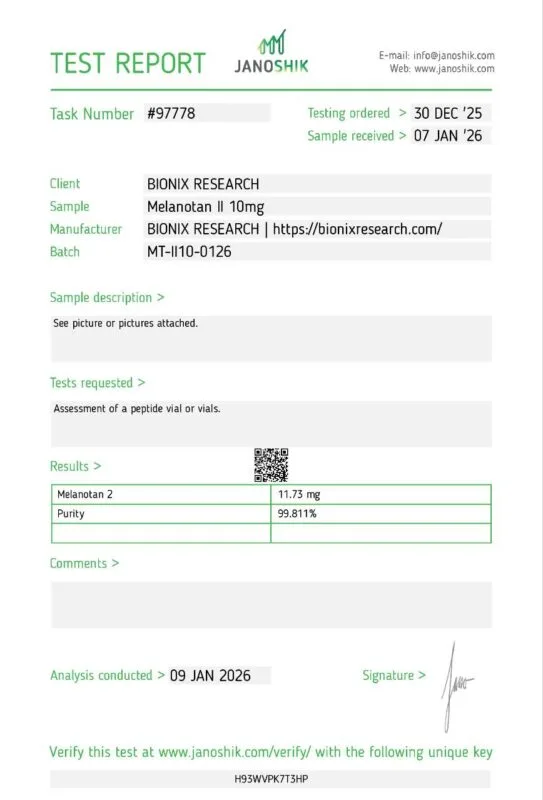
Melanotan 2 (MT-II)
19,90 € Vialincl. VAT
plus Shipping Costs
Delivery time: 1–6 Working Days
Mechanism of Action
Melanotan II's effects span multiple physiological systems.
Pigmentation (MC1R): The compound binds MC1R on melanocytes in the skin, stimulating eumelanin synthesis. This produces a tanning effect with minimal UV exposure, and the effect is systemic, resulting in full body darkening.
Sexual Function (MC3R/MC4R): The mechanism parallels PT-141 but with less selectivity. Central nervous system activation of desire pathways may produce spontaneous erections in males and increases libido in both sexes.
Appetite/Metabolism (MC4R): The compound suppresses appetite via hypothalamic signaling, may promote weight loss, and opposes orexigenic (appetite-stimulating) signals.
Other Effects: Potential immune modulation, anti-inflammatory properties suggested in some research, and effects on sebaceous glands through MC5R activation.
Why Melanotan II Is Not Approved
Despite decades of research, Melanotan II has never received regulatory approval in any jurisdiction. The reasons for non-approval include significant safety concerns regarding potential melanoma risk and cardiovascular effects. Quality control issues arise because the compound is sold only through unregulated channels with variable purity, potential contamination, and no manufacturing standards. The compound's multiple indiscriminate effects mean non-selectivity makes targeted therapy impossible—the tanning effect cannot be separated from sexual effects, and desired therapeutic action cannot be isolated from unwanted effects.
Safety Concerns
Reported Side Effects:
- Facial flushing
- Nausea
- Spontaneous erections (males)
- Darkening of existing moles and freckles
- Appetite suppression
- Fatigue
- Injection site reactions
Serious Concerns:
The relationship between Melanotan II and melanoma is complex and not definitively established. The compound stimulates melanocyte activity—the same cells involved in melanoma. Case reports exist of melanoma in MT-II users, though distinguishing these from UV exposure effects is difficult since users often combine MT-II with tanning bed use. No controlled studies have established causation, and paradoxically, some laboratory studies suggest possible anti-melanoma properties through different pathways.
Regulatory Warnings: Health authorities worldwide including the FDA, TGA, MHRA, and EMA have issued warnings against Melanotan II use, citing unapproved drug status, unknown purity from gray-market sources, and potential serious health risks.
Regulatory Status
| Jurisdiction | Status |
|---|---|
| United States | Not FDA approved; illegal to market for human use |
| European Union | Not approved; warnings issued |
| Australia | TGA warnings against use |
| United Kingdom | MHRA warnings against use |
While not a controlled substance in most jurisdictions, Melanotan II cannot be legally sold for human consumption.
Kisspeptin: The Reproductive Axis Regulator
Structure and Discovery
Kisspeptin represents a fundamentally different approach to reproductive health. Rather than targeting melanocortin receptors, kisspeptin acts at the apex of the reproductive hormone cascade—the hypothalamus.
The peptide was identified in 1996 as a metastasis suppressor gene (KISS1). Its role in reproduction was discovered in 2003 when mutations in its receptor (KISS1R/GPR54) were found to cause hypogonadotropic hypogonadism—failure of puberty and reproductive function. This discovery revealed kisspeptin as the master switch controlling reproductive development and function.
Multiple active forms exist, including kisspeptin-54 (the full-length active peptide) and shorter active fragments kisspeptin-10, -13, and -14. All forms activate the same receptor (KISS1R).
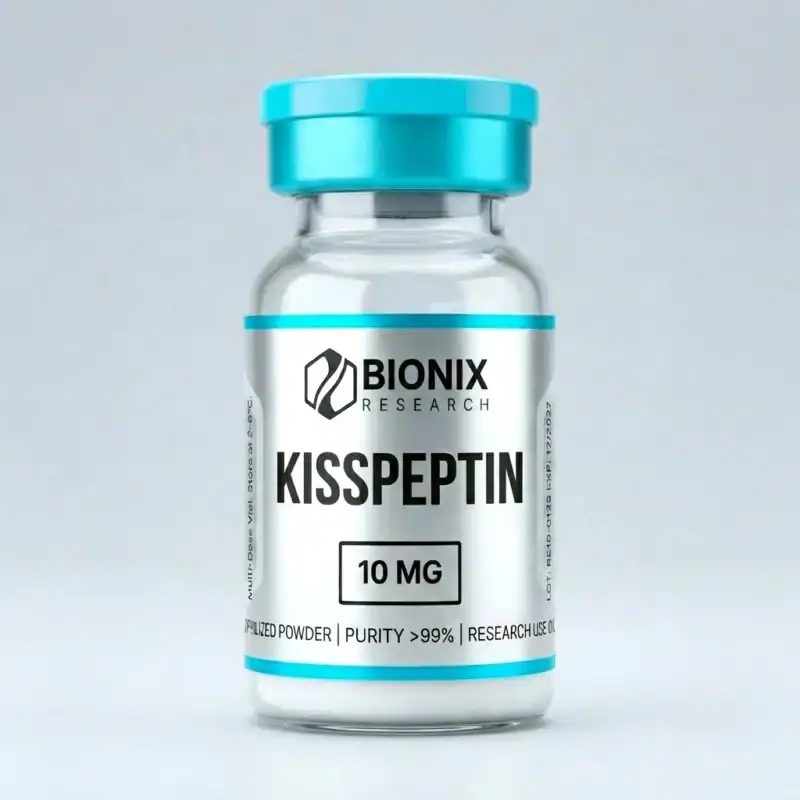
Kisspeptin-10
39,90 € Vialincl. VAT
plus Shipping Costs
Delivery time: 1–6 Working Days
Mechanism of Action
Kisspeptin is the master regulator of GnRH (gonadotropin-releasing hormone) secretion, sitting at the top of the entire reproductive hormone cascade:
The Pathway: Kisspeptin → KISS1R on GnRH neurons → GnRH release → Pituitary → LH + FSH release → Gonads → Sex hormones
Detailed Mechanism:
- Receptor Binding: Kisspeptin binds KISS1R on hypothalamic GnRH neurons
- Neuronal Activation: Activates TRPC channels, inhibits K+ channels
- Depolarization: GnRH neurons fire and release GnRH
- Pituitary Response: GnRH triggers LH and FSH release
- Gonadal Effects: LH/FSH stimulate testosterone, estrogen, and gamete production
This positioning matters because by modulating kisspeptin signaling, it becomes possible to influence the entire hypothalamic-pituitary-gonadal (HPG) axis from its point of origin.
Clinical Applications
Fertility Treatment / IVF
Kisspeptin is being investigated as an alternative trigger for oocyte maturation in IVF, potentially offering advantages over standard hCG trigger:
| Aspect | Kisspeptin | Standard hCG |
|---|---|---|
| OHSS Risk | Lower (short LH action) | Higher (prolonged stimulation) |
| LH Duration | Brief, physiological | Prolonged, supraphysiological |
| Safety in High-Responders | Potentially safer | Higher complication risk |
Clinical trials including NCT01667406 are testing kisspeptin doses (1.6–12.8 nmol/kg) as IVF trigger. Multiple Phase 1-2 trials are evaluating safety and efficacy, with promising results for reducing ovarian hyperstimulation syndrome (OHSS) in high-risk patients.
Hypogonadotropic Hypogonadism
For individuals with hypothalamic dysfunction, kisspeptin can restore GnRH pulsatility and may reactivate the entire reproductive axis. Research continues in functional hypothalamic amenorrhea (FHA), a condition where stress, low body weight, or excessive exercise suppresses reproductive function.
Sexual Desire/Function
Emerging research suggests kisspeptin influences sexual behavior beyond its reproductive hormone effects. Studies published in 2023 showed kisspeptin injections could treat low sex drive, with effects on both desire and arousal pathways. The compound may work through the limbic system as well as the HPG axis, providing both hormonal and behavioral effects.
Safety Profile
Available Safety Data:
- Generally well-tolerated in clinical trials
- Short-acting with rapid clearance
- No major adverse events reported in IVF trigger studies
Reported Effects:
- Injection site reactions (minor)
- Transient warmth or flushing
- No significant hormonal disruption with acute dosing
Advantages:
- Physiological action (mimics natural signaling)
- Short duration (avoids prolonged stimulation)
- Potentially safer than gonadotropin-based approaches
Regulatory Status
| Jurisdiction | Status |
|---|---|
| United States | Investigational; clinical trials ongoing |
| European Union | Investigational; research compound |
| Worldwide | Not approved for any indication |
The Hormonal Balance Connection
How Sexual Health Peptides Relate to Endocrine Function
Sexual health peptides intersect with broader hormonal systems in important ways.
Kisspeptin and the GnRH-Gonadal Axis: Kisspeptin stimulates the GnRH → LH/FSH → testosterone/estrogen cascade. This connects directly to overall hormonal health, as sex hormone levels influence far more than reproductive function—including bone density, muscle mass, mood, and cognitive function.
Melanocortins and Metabolic Regulation: MC4R affects both sexual function AND appetite regulation. PT-141 and Melanotan II may have metabolic effects beyond their sexual health applications. This creates links to metabolic health pathways involving body composition and energy homeostasis.
Integration: Optimal sexual function depends on overall hormonal health—testosterone, estrogen, thyroid, cortisol, and growth hormone all influence libido and performance. Sexual health peptides represent one component of a broader endocrine picture rather than isolated interventions.
Comparative Analysis: Three Approaches to Sexual Health
| Characteristic | PT-141 (Bremelanotide) | Melanotan II | Kisspeptin |
|---|---|---|---|
| Structure | Cyclic heptapeptide | Cyclic heptapeptide | 10-54 amino acid peptide |
| Receptor Targets | MC3R, MC4R (selective) | MC1R, MC3R, MC4R, MC5R (non-selective) | KISS1R |
| Primary Effect | Sexual desire (CNS) | Tanning + sexual + appetite | HPG axis stimulation |
| Mechanism Location | Brain (hypothalamus, limbic) | Brain + skin + periphery | Hypothalamus → pituitary → gonads |
| Tanning Effect | Minimal | Strong | None |
| FDA Status | Approved (HSDD, women) | Not approved; warnings issued | Investigational |
| Administration | Subcutaneous injection | Subcutaneous injection | IV or subcutaneous |
| Safety Data | Extensive clinical trials | Limited; safety concerns | Growing clinical evidence |
Different Tools for Different Challenges
PT-141 is best suited for:
- Hypoactive sexual desire disorder
- When desire is the primary issue
- Premenopausal women (approved indication)
- Off-label investigation: men with desire-related ED, combination with PDE5 inhibitors
Melanotan II is NOT recommended due to:
- Lack of regulatory approval anywhere in the world
- Uncontrolled quality from gray-market sources
- Non-selective effects (cannot separate tanning from sexual effects)
- Potential melanoma concerns
- Regulatory warnings from multiple health authorities
Kisspeptin is best suited for:
- Fertility treatment (IVF triggering)
- Hypothalamic dysfunction
- Research into reproductive axis function
- Potentially sexual desire (emerging data)
Safety Considerations
Comparative Safety Profiles
| Aspect | PT-141 | Melanotan II | Kisspeptin |
|---|---|---|---|
| Clinical Trial Data | Extensive | Very limited | Growing |
| Regulatory Review | Yes (FDA approved) | No | Ongoing |
| Main Concerns | Nausea, BP increase | Melanoma risk, quality | Minimal identified |
| Contraindications | Hypertension, CV disease | Multiple (theoretical) | Few known |
| Long-term Data | Moderate | Insufficient | Limited |
Quality and Source Concerns
For non-approved compounds such as Melanotan II and research-grade kisspeptin, products from unregulated sources carry contamination risk, purity cannot be verified, dosing accuracy is uncertain, and no manufacturing oversight exists.
PT-141 (Vyleesi) as a prescription medication offers quality assurance not available with research compounds, including verified potency, sterility, and consistent manufacturing standards.
Summary: The Future of Sexual Health Research
Sexual health peptides represent a paradigm shift in addressing desire and reproductive function—moving beyond vascular mechanisms to target the neurological and hormonal roots of sexual response.
Key Insights:
The melanocortin system provides direct CNS pathways to sexual desire, enabling treatment of hypoactive desire rather than just arousal dysfunction. This represents a fundamental advance in understanding sexual function as a brain-mediated process.
PT-141 (Bremelanotide) is the first and only FDA-approved medication targeting desire, validated through extensive clinical trials. Ongoing Phase 2 research is evaluating combination therapy with PDE5 inhibitors for men with erectile dysfunction unresponsive to standard treatments.
Melanotan II remains unapproved and carries significant safety concerns despite decades of gray-market availability. Health authorities worldwide have issued warnings against its use.
Kisspeptin represents a fundamentally different approach—modulating the reproductive axis from its hypothalamic origin, with promising applications in fertility treatment and emerging evidence for effects on sexual desire.
Hormonal connections link sexual health peptides to broader endocrine function, emphasizing that optimal sexual function depends on overall hormonal health rather than isolated interventions.
For researchers and clinicians, these peptides offer distinct tools for different aspects of sexual health—from central desire pathways to reproductive hormone regulation to fertility optimization. The understanding that desire has neurological substrates that can be therapeutically targeted represents a significant advance in sexual medicine.
Frequently Asked Questions: Sexual Health Peptides & Reproductive Function
General Questions About Sexual Health Peptides
Q: How do sexual health peptides differ from Viagra and similar medications?
The fundamental difference lies in what they target.
Traditional ED medications such as Viagra and Cialis target blood flow through PDE5 inhibition. Their effect is enhanced physical arousal and erection, but they have a significant limitation: they do nothing for desire. If motivation is absent, erection alone does not address the underlying issue. These medications work peripherally on blood vessels.
Sexual health peptides such as PT-141 and Melanotan II target brain melanocortin receptors. Their effect is enhanced desire AND arousal, with the advantage of addressing the psychological motivation component. These compounds work centrally in the nervous system.
For individuals whose primary challenge is lack of desire rather than inability to achieve arousal, peptides like PT-141 address a different—and previously untreatable—aspect of sexual dysfunction. Approximately 30-40% of men using PDE5 inhibitors report inadequate response, often because their dysfunction involves central desire pathways rather than peripheral blood flow alone.
Q: What is the melanocortin system and why does it affect sexual function?
Melanocortins are hormones derived from POMC (pro-opiomelanocortin) that act through five receptor types (MC1R-MC5R). Originally studied for pigmentation through MC1R, research revealed that MC3R and MC4R in the brain directly control sexual desire and arousal.
MC4R is expressed in the hypothalamus and spinal cord. Activation triggers both psychological desire and physical arousal, independent of vascular mechanisms. This provides a neurological pathway for sexual function that operates separately from blood flow.
This discovery enabled development of medications targeting desire at its source in the brain, representing a fundamentally different approach from peripheral vasodilators.
PT-141 (Bremelanotide) Questions
Q: What is PT-141 and what is it approved for?
PT-141 (bremelanotide, brand name Vyleesi®) is a melanocortin receptor agonist FDA-approved for treating hypoactive sexual desire disorder (HSDD) in premenopausal women.
The approved indication covers acquired, generalized HSDD in premenopausal women. Administration involves 1.75 mg subcutaneous injection used as needed, at least 45 minutes before anticipated activity. Maximum recommended use is 8 doses per month, with no more than one dose per 24 hours.
The mechanism involves activation of MC3R and MC4R in the brain to increase sexual desire through central nervous system pathways.
Q: Does PT-141 work for men?
PT-141 is not FDA-approved for men, but research and off-label use suggest potential efficacy.
Early clinical trials showed erectile effects in men. The compound works through desire pathways rather than blood flow alone, potentially helping men whose ED has a desire or psychological component. Some evidence suggests efficacy when PDE5 inhibitors are insufficient.
A Phase 2 clinical trial initiated in June 2024 is evaluating bremelanotide co-administered with a PDE5 inhibitor for men with erectile dysfunction unresponsive to PDE5 inhibitor monotherapy. This combination approach targets both central desire pathways and peripheral vascular mechanisms. Phase 3 trials are planned for 2025.
Important considerations include that this remains off-label use only, insurance coverage for men is not available, fewer safety data exist in male populations, and use should only occur under physician supervision.
Q: What are PT-141's side effects?
Based on clinical trial data:
Common:
- Nausea (22-40%—most common complaint)
- Flushing (14-17%)
- Headache (9-14%)
- Injection site reactions
Less common:
- Vomiting
- Fatigue
- Dizziness
Serious concerns:
- Transient blood pressure increases
- Hyperpigmentation with frequent use
- Contraindicated in uncontrolled hypertension or cardiovascular disease
The nausea can be dose-limiting for some individuals. It typically occurs within an hour of injection and resolves within hours. The overall discontinuation rate in clinical trials was approximately 8.1%, primarily due to nausea.
Melanotan II Questions
Q: What is Melanotan II and why isn't it approved?
Melanotan II is a synthetic peptide that activates multiple melanocortin receptors (MC1R, MC3R, MC4R, MC5R), producing skin tanning through MC1R, increased sexual desire and arousal through MC3R/MC4R, and appetite suppression through MC4R.
The compound has never been approved for several reasons. Non-selectivity means the desired effects cannot be separated from unwanted ones. Safety concerns include potential melanoma risk and cardiovascular effects. Quality issues arise because the compound is only available from unregulated sources with variable purity and contamination risk. Regulatory warnings have been issued by the FDA, TGA, MHRA, and other authorities against use.
Despite decades of gray-market availability, no regulatory agency has approved Melanotan II for any indication.
Q: Does Melanotan II cause skin cancer?
The relationship is complex and not definitively established.
Concerns: Melanotan II stimulates melanocytes (the same cells involved in melanoma). Case reports exist of melanoma in MT-II users. Moles and freckles can darken and change appearance.
Complicating factors: MT-II users often combine with UV or sunbed exposure, making it difficult to separate MT-II effects from UV damage. No controlled studies have established causation.
Paradox: Some laboratory studies suggest possible anti-melanoma properties through different pathways.
Bottom line: The melanoma risk is uncertain but concerning. Combined with quality and purity issues from unregulated sources, health authorities recommend against Melanotan II use.
Q: Is Melanotan II legal?
Melanotan II occupies a gray legal area. It is not a controlled substance in most countries, but it cannot be legally sold for human consumption and is not approved for any medical use. The compound remains available through unregulated online sources.
Health authorities consider it an unapproved drug. While possession may not be illegal in many jurisdictions, selling it for human use is prohibited.
Given safety concerns and lack of quality control, use is strongly discouraged by medical and regulatory authorities worldwide.
Kisspeptin Questions
Q: What is kisspeptin and how does it work?
Kisspeptin is a naturally occurring hormone that serves as the master regulator of reproductive function. It acts at the top of the hormonal cascade:
Kisspeptin → GnRH neurons → GnRH release → Pituitary (LH/FSH) → Gonads (testosterone/estrogen)
Key functions include triggering puberty onset, controlling menstrual cycle timing, regulating ovulation, influencing sperm production, and potentially affecting sexual behavior.
Unlike melanocortin peptides that work on desire pathways, kisspeptin controls the fundamental reproductive hormone system from its point of origin in the hypothalamus.
Q: How is kisspeptin being used in fertility treatment?
Kisspeptin is being investigated as an IVF trigger—the injection that induces final egg maturation before retrieval.
Advantages over standard hCG trigger:
- Lower risk of ovarian hyperstimulation syndrome (OHSS)
- Shorter, more physiological LH surge
- Potentially safer for high-responder patients
Clinical trial status: Multiple trials are evaluating kisspeptin as an IVF trigger, with promising results for reducing OHSS risk. The compound is not yet standard of care and remains investigational.
Q: Can kisspeptin treat low libido?
Emerging research suggests potential benefits.
Studies published in 2023 showed kisspeptin injections could increase sexual desire, with effects observed in both women and men. The compound may work through the limbic system (emotional and desire centers) as well as the HPG axis.
Beyond reproductive hormones, kisspeptin receptors exist in brain regions involved in emotional and sexual behavior, providing a potential mechanism for direct effects on desire.
This application remains experimental. Kisspeptin is not approved for treating low libido, and research is ongoing.
Comparison and Practical Questions
Q: Which sexual health peptide is safest?
Based on available evidence:
PT-141 (Bremelanotide): Most extensively studied, FDA-approved with rigorous safety review, known side effect profile, pharmaceutical-grade quality available through prescription.
Kisspeptin: Good safety profile in clinical trials, physiological mechanism, short-acting, but not yet approved and with less long-term data.
Melanotan II: Least safe option—no regulatory approval, uncontrolled quality, potential melanoma concerns.
If seeking treatment for sexual health issues, PT-141 (via prescription as Vyleesi) offers the best-characterized safety profile.
Q: How do these peptides relate to hormonal optimization?
Sexual function depends on overall hormonal health.
Direct connections: Kisspeptin directly controls the GnRH → LH/FSH → sex hormone cascade. Testosterone and estrogen influence libido. Thyroid function affects sexual health. Cortisol imbalances impair sexual function.
Indirect connections: Growth hormone influences body composition and energy. Metabolic health affects sexual function. Overall hormonal balance matters for optimal sexual health.
Sexual health peptides represent one tool within a broader hormonal picture. Optimal sexual function often requires addressing multiple hormonal factors.
Q: Are these peptides banned in sports?
Yes, with some nuance.
WADA Status:
- Melanotan II: Prohibited (melanocortin peptide)
- PT-141/Bremelanotide: Prohibited (melanocortin agonist)
- Kisspeptin: Not explicitly listed, but GnRH modulators are prohibited
Athletes subject to anti-doping testing should avoid all these compounds.
Safety and Regulatory Questions
Q: Can these peptides be purchased without prescription?
It depends on the compound.
PT-141 (Vyleesi): Requires prescription as an FDA-approved medication. Available through pharmacies with prescription. Compounded versions exist but quality varies.
Melanotan II: No prescription pathway exists because the compound is not approved. Sold only through unregulated online sources. Quality and purity cannot be verified. Use is discouraged by health authorities.
Kisspeptin: Research compound only. No prescription pathway. Available only through research suppliers or clinical trials.
Q: What should someone consider before using sexual health peptides?
Important considerations include:
Medical evaluation: Underlying causes of sexual dysfunction should be assessed. Hormonal evaluation including testosterone and thyroid levels. Cardiovascular health assessment, especially for PT-141. Psychological factors may contribute.
Practical factors: Regulatory status in relevant jurisdiction. Source quality and verification. Cost and insurance coverage. Side effect tolerance.
Professional guidance: Consultation with healthcare provider. Appropriate monitoring. Risk-benefit assessment for individual situation.
Sexual health issues often have multiple contributing factors. Peptides may be one component of a comprehensive approach rather than a standalone solution.
Summary: Key Takeaways About Sexual Health Peptides
| Question | Short Answer |
|---|---|
| What do they target? | Central nervous system desire pathways (melanocortins) or reproductive hormone axis (kisspeptin) |
| Which is FDA approved? | Only PT-141 (Vyleesi) for HSDD in premenopausal women |
| Is Melanotan II safe? | Not recommended—no approval, quality concerns, potential risks |
| What is kisspeptin used for? | Fertility research (IVF triggering), investigational |
| How do they differ from Viagra? | Target desire (brain) rather than just arousal (blood flow) |
| Are they banned in sports? | Yes, by WADA |
| Best option for low desire? | PT-141 (FDA-approved, quality-controlled) |
This article and FAQ are provided for educational purposes only. PT-141 (Vyleesi) is available by prescription for approved indications only. Melanotan II is not approved for human use and carries significant safety concerns. Kisspeptin remains investigational. Always consult qualified healthcare professionals for sexual health concerns.

