


Knowledge Base
Cosmetic & Skin Peptides


Cosmetic & Skin Peptides: The Science Behind Compounds That Target Skin Aging, Wrinkle Formation, and Hair Health
How cosmetic peptides are being studied for their potential roles in collagen stimulation, expression line reduction, and tissue regeneration for aesthetic applications
The Science of Skin Aging
The skin serves as the largest organ of the human body—a dynamic interface between internal systems and the external environment. Its aging is visible, measurable, and increasingly understood at the molecular level.
Skin aging occurs through two primary mechanisms. Intrinsic aging (chronological) involves genetically programmed cellular decline, reduced cell turnover, decreased collagen and elastin synthesis, accumulation of senescent cells, and progressive loss of structural integrity. Extrinsic aging (environmental) involves UV radiation damage (photoaging), pollution and oxidative stress, lifestyle factors such as smoking, diet, and sleep patterns, repeated facial expressions, and acceleration of intrinsic processes.
The measurable consequences of these combined processes are substantial. Collagen production declines approximately 1% per year after age 30. Elastin fibers degrade and lose functionality. Hyaluronic acid decreases, reducing hydration capacity. Dermal thickness reduces by approximately 6% per decade. Wrinkles form from both structural loss and repeated muscle contractions.
The research question: Can topically or systemically applied peptides reverse or slow these processes by targeting specific molecular mechanisms of skin aging?
The investigation of this question has driven development of cosmetic peptides—short amino acid sequences that function as signal peptides, neurotransmitter inhibitors, or carrier molecules to influence skin biology. Three categories have emerged as particularly significant: copper peptides (GHK-Cu), neuromuscular peptides (Snap-8, Argireline), and matrix-stimulating peptides (Matrixyl).
Understanding Cosmetic Peptide Categories
The Four Classes of Cosmetic Peptides
| Class | Mechanism | Examples | Primary Effect |
|---|---|---|---|
| Signal Peptides | Trigger cellular responses (collagen synthesis) | GHK-Cu, Matrixyl | Stimulate matrix production |
| Neurotransmitter Inhibitors | Block muscle contraction signals | Snap-8, Argireline, Syn-Ake | Relax expression lines |
| Carrier Peptides | Deliver trace elements to cells | GHK-Cu (copper delivery) | Enable enzymatic functions |
| Enzyme Inhibitors | Block matrix-degrading enzymes | Various | Prevent collagen breakdown |
Most cosmetic peptides work through multiple mechanisms simultaneously, making clean categorization challenging but clinical application potentially more effective.
Penetration: The Critical Challenge
For peptides to work, they must reach their targets within the skin. The stratum corneum (dead cell layer) blocks most molecules. Molecules larger than 500 Daltons penetrate poorly. Charge and hydrophobicity affect absorption rates. Formulation critically influences delivery efficacy.
Solutions developed to address penetration challenges include palmitoylation (adding fatty acid chains to enhance penetration), liposomal delivery systems, microneedle patches, smaller peptide fragments, and advanced vehicle formulations. Recent research has focused on liposome-based formulations to enhance stability and delivery of peptides like GHK-Cu.
GHK-Cu: The Copper Peptide Pioneer
Structure and Discovery
GHK-Cu (glycyl-L-histidyl-L-lysine copper) is a naturally occurring tripeptide-copper complex first isolated from human plasma in 1973. The human body produces GHK-Cu endogenously, with levels declining significantly with age.
The peptide consists of three amino acids—Glycine, Histidine, and Lysine—with strong affinity for copper(II) ions. Its molecular weight of approximately 403 Da is favorable for skin penetration. GHK-Cu is present endogenously in blood, saliva, and urine, declining from approximately 200 ng/mL at age 20 to approximately 80 ng/mL by age 60.
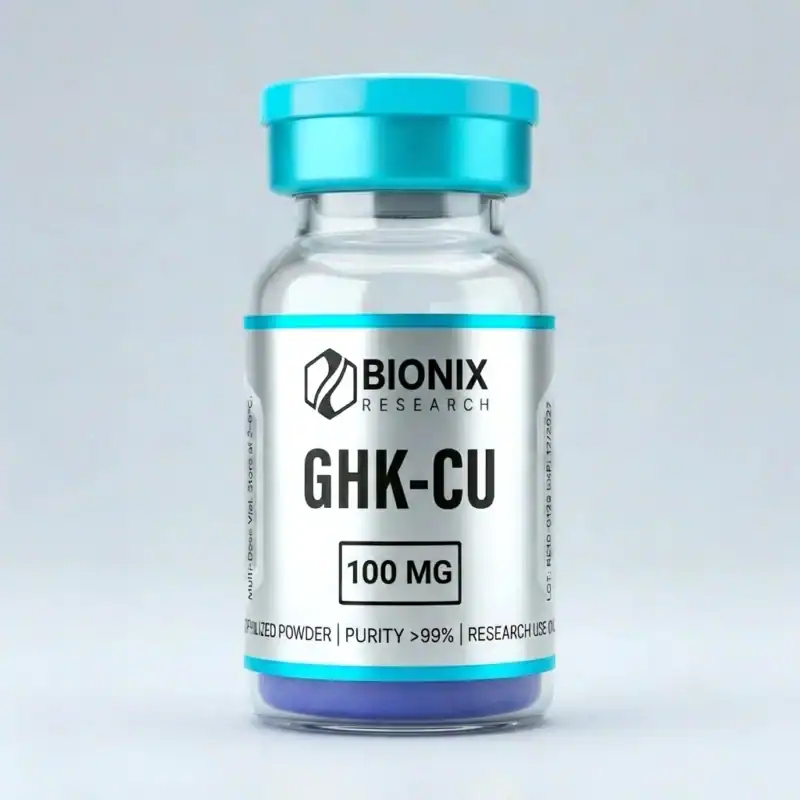
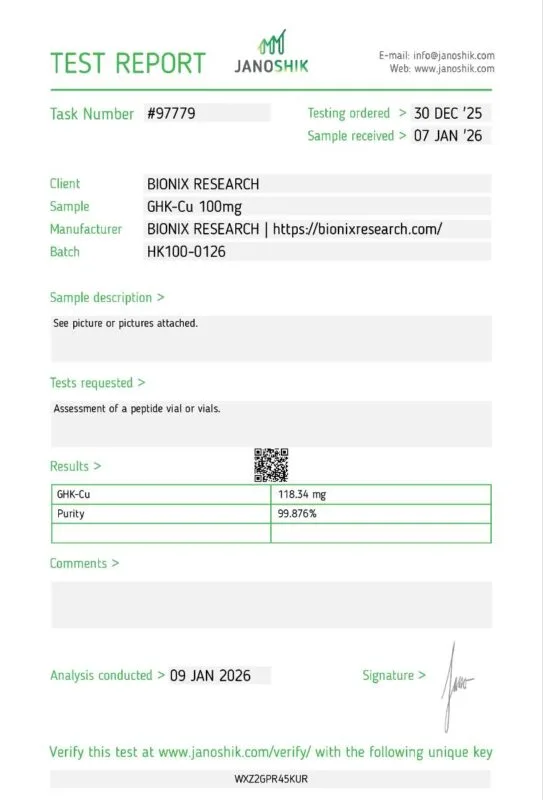
GHK-Cu
29,90 € Vialincl. VAT
plus Shipping Costs
Delivery time: 1–6 Working Days
Mechanism of Action
GHK-Cu operates through multiple synergistic pathways.
Collagen and Matrix Stimulation:
| Effect | Mechanism | Evidence |
|---|---|---|
| Collagen synthesis ↑ | Stimulates fibroblast production of Types I, III, IV | 70% of subjects showed increased collagen vs. 50% vitamin C, 40% retinoic acid |
| Elastin production ↑ | Activates elastin gene expression | Improved skin elasticity in clinical studies |
| Glycosaminoglycans ↑ | Enhances proteoglycan synthesis | Increased skin hydration and plumpness |
| Hyaluronic acid ↑ | Supports GAG production | Better moisture retention |
Wound Healing and Tissue Repair:
GHK-Cu demonstrates remarkable regenerative properties. The peptide accelerates wound closure (96% closure by day 11 in enhanced formulations), stimulates blood vessel formation (angiogenesis), promotes nerve outgrowth, reduces scar formation through organized collagen deposition, and attracts immune cells for tissue remodeling.
Anti-Inflammatory and Antioxidant Effects:
The compound reduces NF-κB activation and inflammatory cytokines (up to 60% reduction in some studies), decreases oxidative stress markers, protects against UV-induced damage, and modulates inflammatory responses.
Gene Expression Modulation:
Research indicates GHK-Cu influences over 4,000 genes. The peptide upregulates tissue repair genes, downregulates inflammation genes, resets gene expression toward younger patterns, and activates stem cell markers (p63, integrins).
Hair Growth Applications
Beyond skin, GHK-Cu demonstrates significant potential for hair health through multiple mechanisms. The peptide extends the anagen (growth) phase of the hair cycle, reduces the catagen (regression) phase, enlarges hair follicles for thicker strands, improves scalp circulation, inhibits TGF-β (which prevents follicle miniaturization), supports dermal papilla cells, and activates the Wnt/β-catenin signaling pathway.
Research Evidence:
Preclinical studies show follicle reactivation and hair growth promotion. Small human trials report improved hair count and diameter in androgenetic alopecia. Enhanced delivery systems such as microemulsions show 3-fold improved efficacy in animal models. Minimal side effects have been reported compared to minoxidil and finasteride.
Limitations:
GHK-Cu is not established as a first-line treatment for hair loss. Insufficient large-scale human clinical trials exist. The peptide is best considered as an adjunct to proven therapies including minoxidil, finasteride, and PRP.
Connection to Cellular Repair
GHK-Cu's mechanisms overlap significantly with tissue repair peptides used in regenerative applications. Similar wound healing pathways exist, shared growth factor stimulation mechanisms operate, and complementary approaches to tissue regeneration are evident. GHK-Cu offers topical accessibility compared to injectable repair peptides.
Safety and Regulatory Status
Safety Profile:
GHK-Cu is generally well-tolerated topically. Rare irritation may occur at high concentrations. No systemic toxicity has been reported at cosmetic concentrations. The peptide has a long history of cosmetic use.
Regulatory Status:
GHK-Cu is an approved cosmetic ingredient (INCI: Copper Tripeptide-1), available in skincare products worldwide. It is not FDA-approved as a drug for any indication. Some prescription formulations are available through compounding pharmacies.
Snap-8: The Enhanced Muscle Relaxer
Structure and Mechanism
Snap-8 (Acetyl Octapeptide-3) is a synthetic peptide designed to reduce expression wrinkles by inhibiting neuromuscular signaling—essentially providing a "topical Botox" effect.
The peptide consists of eight amino acids (octapeptide) with the sequence Acetyl-Glu-Glu-Met-Gln-Arg-Arg-Ala-Asp-NH₂. It acts by mimicking the SNAP-25 protein and represents an enhanced version of Argireline.
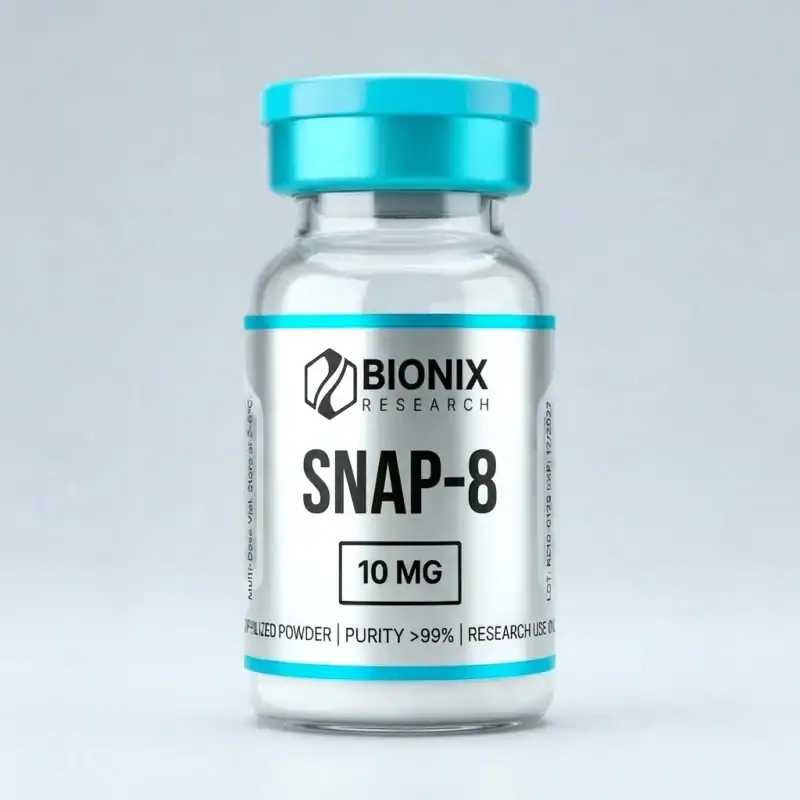
SNAP-8
14,90 € Vialincl. VAT
plus Shipping Costs
Delivery time: 1–6 Working Days
The SNARE Complex Connection
Understanding Snap-8's mechanism requires understanding neuromuscular transmission.
Normal Muscle Contraction: A nerve impulse reaches the neuromuscular junction. The SNARE complex assembles (SNAP-25 + Syntaxin + Synaptobrevin). Vesicle fusion releases acetylcholine. Acetylcholine binds muscle receptors. Muscle contraction occurs.
How Snap-8 Intervenes: Snap-8 mimics the N-terminal of SNAP-25 protein and competes for binding sites in the SNARE complex. This destabilizes vesicle fusion machinery, reduces acetylcholine release, diminishes muscle contraction, and softens expression wrinkles.
Critical distinction from Botox:
Botox cleaves SNAP-25, causing paralysis. Snap-8 competitively inhibits, causing relaxation. Snap-8's effects are milder and reversible, preserving natural facial expression.
Clinical Evidence
Research findings demonstrate that Snap-8 reduces wrinkle depth in the periorbital area (crow's feet) and is effective for forehead lines. The peptide is approximately 30% more effective than Argireline, with greater stability in formulations. Effects are cumulative with regular use.
Studies have demonstrated SNARE complex inhibition in vitro, concentration-dependent wrinkle reduction, good stability and bioavailability, and compatibility with various cosmetic formulations.
Comparison to Argireline
| Feature | Snap-8 | Argireline |
|---|---|---|
| Structure | 8 amino acids | 6 amino acids |
| Potency | ~30% more effective | Baseline comparison |
| Stability | More stable | Less stable |
| Mechanism | SNARE inhibition | SNARE inhibition |
| Cost | Generally higher | More economical |
| History | Newer development | Established since 2002 |
Argireline: The Original "Topical Botox"
Structure and Development
Argireline (Acetyl Hexapeptide-3 or Acetyl Hexapeptide-8) was developed in Barcelona as the first peptide designed to mimic Botox's wrinkle-reducing effects topically.
The peptide consists of six amino acids (hexapeptide) with the sequence Acetyl-Glu-Glu-Met-Gln-Arg-Arg-NH₂. It acts on the SNARE complex similarly to Snap-8 and was first-in-class for neuromuscular peptides in cosmetics.
Mechanism of Action
Argireline works through the same SNARE complex pathway as Snap-8. The peptide competes with SNAP-25 for SNARE complex binding, inhibits vesicle docking at the neuromuscular junction, reduces neurotransmitter release, decreases muscle contraction intensity, and softens dynamic wrinkles (expression lines).
Clinical Evidence
Research demonstrates wrinkle depth reduction up to 30% in clinical studies. The peptide is most effective for expression-related wrinkles, with crow's feet and forehead lines responding best. Effects require consistent application (4+ weeks) and are reversible upon discontinuation.
Recent studies have confirmed that Pentapeptide-18 (Leuphasyl), often combined with Argireline, at 2% concentration safely reduces wrinkles, with recommendations for combinations for longer-lasting effects. Broader peptide reviews note clinical improvements in wrinkle volume and elastic fiber density.
Limitations:
Argireline cannot match injectable Botox results. Penetration challenges limit efficacy. The peptide works best for fine lines rather than deep wrinkles and must be used consistently for maintenance.
Safety Profile
Argireline has an excellent topical safety record. No systemic neuromuscular effects occur at cosmetic concentrations. Rare irritation or sensitivity may occur. The peptide is not contraindicated with Botox and can be complementary.
Matrixyl: The Collagen Stimulator
Structure and Variants
Matrixyl is the trade name for palmitoyl pentapeptide-4 (Pal-KTTKS), a signal peptide designed to stimulate collagen production.
The peptide consists of five amino acids: Lys-Thr-Thr-Lys-Ser. Palmitoylation enhances skin penetration. The molecular weight is approximately 802 Da. The peptide acts as a matrikine (matrix-signaling molecule).
Matrixyl Variants:
- Matrixyl (Original): Palmitoyl Pentapeptide-4
- Matrixyl 3000: Combination of Pal-GHK and Pal-GQPR
- Matrixyl Synthe'6: Targets six skin-building elements
Mechanism of Action
Matrixyl mimics collagen breakdown products (matrikines) that signal fibroblasts to produce new matrix.
TGF-β Pathway Activation: The peptide enhances TGF-β growth factor activity, stimulates fibroblast collagen synthesis, and promotes extracellular matrix production.
Multiple Matrix Components: Matrixyl increases collagen Types I, III, and IV, boosts fibronectin production, enhances elastin synthesis, and elevates hyaluronic acid levels.
Anti-Degradation: The peptide inhibits matrix metalloproteinases (MMPs), reduces collagen breakdown, and preserves existing dermal structure.
Clinical Evidence
Recent Research (2024-2025):
Studies on related collagen peptide mechanisms provide supporting data for Matrixyl's approach:
| Peptide/Study | Key Outcomes | Duration | Population |
|---|---|---|---|
| Bioactive collagen peptides (BCP) | +19.20% dermal thickness/density; sustained post-washout | 12 weeks + 4-week washout | RCT, double-blind |
| COLLinstant LMW | 46% wrinkle volume reduction; +34% hydration | 6 weeks | 80 women, 30+ years |
| Pepsensyal (new tetrapeptide) | 11% roughness decrease; +21% dermal density | 14-28 days | 32 women, 44-64 years |
Research findings demonstrate visible wrinkle reduction in controlled studies, increased skin thickness and density, improved firmness and elasticity, compatibility with other active ingredients, and generally good tolerability.
Comparative studies show similar or superior results to retinol for wrinkle reduction in some studies, better tolerability than tretinoin, and synergistic effects with vitamin C and other antioxidants.
Syn-Ake: The Venom-Inspired Peptide
Structure and Concept
Syn-Ake is a synthetic tripeptide mimicking Waglerin-1, a component of Temple Viper (Tropidolaemus wagleri) venom. The concept involves replicating the muscle-paralyzing effects of snake venom for wrinkle reduction.
The peptide's INCI name is Dipeptide Diaminobutyroyl Benzylamide Diacetate. Its molecular weight is less than 500 Da, providing good penetration. The peptide mimics the neurotoxic venom component but is entirely synthetic with no actual snake venom.
Mechanism of Action
Syn-Ake targets a different pathway than SNARE inhibitors.
Nicotinic Acetylcholine Receptor Antagonism: The peptide binds to muscular nicotinic acetylcholine receptors (nAChRs), blocks acetylcholine binding at the receptor, prevents muscle activation signal, reduces muscle contraction, and softens expression lines.
Distinction from Snap-8/Argireline: Snap-8 and Argireline block neurotransmitter release (presynaptic). Syn-Ake blocks receptor activation (postsynaptic). Different targets suggest potential synergy when compounds are combined.
Clinical Evidence
Studies demonstrate an IC50 of 180 μM for nAChR inhibition. The peptide reduces wrinkle appearance in manufacturer studies, with effects comparable to Argireline (approximately 30% improvement). The compound is well-tolerated topically and won the Swiss Technology Award in 2006.
Limitations:
Research is primarily manufacturer-sponsored. Limited independent clinical trials exist. Consistent application is required for results.
Leuphasyl: The Synergistic Partner
Overview
Leuphasyl (Pentapeptide-18) works through the enkephalin pathway to complement SNARE-targeting peptides.
Mechanism: The peptide mimics enkephalin (an endogenous opioid), activates enkephalin receptors on nerve endings, reduces calcium influx into neurons, decreases acetylcholine release, and provides complementary muscle relaxation.
Best Use: Leuphasyl is most effective when combined with Argireline or Snap-8. A synergistic effect of approximately 25% greater wrinkle reduction occurs when combined. The peptide addresses pathway redundancy for more comprehensive results.
New Peptide Developments (2024-2025)
Recent advances in cosmetic peptide research have introduced several promising new compounds and formulation approaches.
Pepsensyal (Acetyl sh-Tetrapeptide-1 derivative): This 99% natural-origin peptide demonstrated in a double-blind, split-face trial with 32 women aged 44-64 years: 11% reduction in crow's feet roughness, 14% reduction in relief amplitude, and 21% increase in dermal echogenicity within 28 days.
Dual MiniProteins: A new serum with neurotoxin-mimicking peptides showed 100% participant-reported fine-line improvement in 10 minutes and 73% improvement in skin sagging after 12 weeks in dermatologist-blinded assessments.
Pharmaceutical-Grade Peptides: Innovations using phage display technology (such as P12-3A) are targeting collagen stimulation with greater precision. The cosmetic peptide market is projected to grow from $3.77 billion (2024) to $8.2 billion by 2032.
Formulation Advances: Liposome-based anti-aging formulations are enhancing peptide penetration, stability, and delivery. CRISPR validation methods are advancing peptide research capabilities.
Cross-Reference: Melanotan II and Tanning
The Pigmentation Peptide
Melanotan II, discussed comprehensively in the Sexual Health & Reproductive Function article, also has cosmetic relevance for skin pigmentation.
Tanning Mechanism: The peptide activates MC1R (melanocortin 1 receptor) on melanocytes, stimulates eumelanin synthesis, produces skin darkening without UV exposure, and creates a systemic effect (full-body tanning).
Important Warnings:
Melanotan II is NOT approved for cosmetic use. Significant safety concerns exist, including potential melanoma risk. Unregulated quality from gray-market sources is problematic. Changes to moles and freckles have been reported. Health authorities worldwide warn against use.
Cross-Reference: BPC-157 and Tissue Repair
Wound Healing Connection
BPC-157, discussed in the Cellular Repair & Regeneration article, has skin-relevant applications.
Skin Benefits: The peptide accelerates wound healing, reduces scar formation, promotes angiogenesis in damaged tissue, and supports epithelial regeneration.
Distinction from Cosmetic Peptides: BPC-157 is primarily used systemically (injection), while cosmetic peptides are primarily for topical application. Different regulatory considerations apply to each approach.
Cross-Reference: GH Secretagogues and Skin Aging
The Hormonal Connection
Growth hormone influences skin health through multiple pathways.
GH/IGF-1 Effects on Skin: Growth hormone stimulates collagen synthesis, promotes skin thickness, supports wound healing, and influences elastin production.
Age-Related Decline: GH decreases approximately 14% per decade after age 30, contributing to skin thinning and collagen loss. Systemic approaches differ from topical peptide interventions.
Comparative Analysis: Cosmetic Peptides
| Peptide | Mechanism | Primary Target | Best For | Evidence Level |
|---|---|---|---|---|
| GHK-Cu | Signal/Carrier | Fibroblasts, ECM | Overall regeneration, hair | Moderate-Strong |
| Snap-8 | Neuromuscular | SNARE complex | Expression lines | Moderate |
| Argireline | Neuromuscular | SNARE complex | Expression lines | Moderate |
| Matrixyl | Signal | TGF-β pathway | Collagen, firmness | Moderate |
| Syn-Ake | Neuromuscular | nAChR | Expression lines | Moderate |
| Leuphasyl | Neuromuscular | Enkephalin receptors | Synergistic use | Limited |
Practical Considerations
Formulation and Stability
Key Factors: Peptide concentration matters (typically 0.001-5%). pH affects stability and penetration. Vehicle formulation influences delivery. Combination with other actives can enhance or inhibit effects.
Complementary Ingredients:
- Vitamin C: Supports collagen synthesis
- Hyaluronic acid: Hydration and plumping
- Retinoids: Cell turnover (use carefully with peptides)
- Niacinamide: Barrier support
- Antioxidants: Protection from degradation
Application Recommendations
For Best Results:
- Consistent, long-term use (8-12 weeks minimum for visible results)
- Apply to clean, slightly damp skin
- Layer appropriately (thinnest to thickest)
- Use sun protection (peptide effects are undermined by UV damage)
- Combine complementary mechanisms (e.g., Snap-8 + Matrixyl)
Quality Considerations
Seek products with verified peptide concentrations. Third-party testing is preferred. Proper packaging (air-tight, opaque) preserves stability. Established brands with quality control offer greater reliability. Skepticism is warranted regarding extraordinary claims.
Summary: The Future of Cosmetic Peptides
Cosmetic peptides represent a scientifically grounded approach to skin aging and aesthetic concerns—working through specific molecular mechanisms rather than simple moisturization.
Key Insights:
GHK-Cu offers the broadest benefits—collagen stimulation, wound healing, anti-inflammatory effects, and hair growth support through naturally occurring pathways.
Neuromuscular peptides (Snap-8, Argireline, Syn-Ake) provide non-invasive alternatives to Botox for expression lines, working through SNARE or receptor inhibition.
Matrix-stimulating peptides (Matrixyl) directly target collagen and elastin production for firmness and structural improvement.
Multiple mechanisms can be combined for synergistic effects—neuromuscular relaxation plus matrix stimulation addresses both causes of wrinkles.
New developments in 2024-2025 include advanced peptide formulations showing significant improvements in clinical trials, with compounds like Pepsensyal demonstrating 21% increases in dermal density within 28 days.
Cross-connections exist with tissue repair peptides (BPC-157), hormonal optimization (GH secretagogues), and melanocortin pathways (Melanotan II—with important safety caveats).
Evidence levels vary—GHK-Cu and Matrixyl have stronger clinical support; newer peptides have primarily manufacturer-sponsored research.
For those interested in evidence-based skincare and aesthetic optimization, cosmetic peptides offer targeted molecular interventions with generally excellent safety profiles—though realistic expectations and consistent application remain essential.
Frequently Asked Questions: Cosmetic Peptides & Skin Health
General Questions About Cosmetic Peptides
Q: What are cosmetic peptides and how do they work?
Cosmetic peptides are short chains of amino acids (typically 3-10) designed to influence skin biology for aesthetic benefits. They work through several mechanisms.
Signal Peptides (GHK-Cu, Matrixyl): Trigger fibroblasts to produce collagen and elastin, mimic natural matrix fragments that signal repair, and promote extracellular matrix production.
Neuromuscular Peptides (Snap-8, Argireline, Syn-Ake): Inhibit muscle contraction signals, reduce expression wrinkles, and work like "topical Botox" (though with milder effects).
Carrier Peptides (GHK-Cu): Deliver essential elements (copper) to cells and enable enzymatic functions for repair.
Unlike simple moisturizers, peptides interact with cellular machinery to produce specific biological effects.
Q: Do peptides actually work or is it marketing?
The evidence varies by peptide.
Stronger Evidence:
- GHK-Cu: Clinical studies showing collagen increase, wound healing acceleration
- Matrixyl: Published studies demonstrating wrinkle reduction
- Multiple in vitro studies confirming mechanisms
Moderate Evidence:
- Snap-8, Argireline: Manufacturer studies and some independent research
- Clinical observations support efficacy for expression lines
Recent Clinical Data (2024-2025):
- Bioactive collagen peptides: 19.20% increase in dermal thickness after 12 weeks
- LMW collagen peptides: 46% wrinkle volume reduction in 6 weeks
- New peptides showing 73% improvement in sagging, 100% fine-line improvement in trials
Limitations:
- Most peptides lack large-scale, independent clinical trials
- Effects are modest compared to injectable treatments
- Consistent, long-term use required
- Individual responses vary
Realistic Expectation: Peptides produce measurable but gradual improvements over time—they don't replace procedures but can complement them.
Q: Can I use multiple peptides together?
Yes, and it's often beneficial.
Synergistic Combinations:
- Argireline + Leuphasyl: Approximately 25% better than alone
- Neuromuscular (Snap-8) + Signal (Matrixyl): Addresses multiple wrinkle causes
- GHK-Cu + Matrixyl: Multiple collagen-stimulating pathways
Considerations:
- Check formulation compatibility
- Some peptides are unstable with certain ingredients
- Layer by consistency (thin to thick)
- Introduce gradually to assess tolerance
GHK-Cu Questions
Q: What is GHK-Cu and what can it do?
GHK-Cu (copper peptide) is a naturally occurring tripeptide with copper that the human body produces. Its benefits span multiple domains.
For Skin:
- Stimulates collagen and elastin production
- Accelerates wound healing
- Reduces inflammation and oxidative stress
- Improves skin thickness and firmness
- Supports tissue regeneration
For Hair:
- Extends hair growth phase (anagen)
- Enlarges hair follicles
- Improves scalp circulation
- May help with thinning hair
GHK-Cu is unique because it functions as both a signal peptide (triggers collagen) and carrier peptide (delivers copper for enzymatic functions).
Q: Does GHK-Cu really help with hair loss?
Research shows promise, with important caveats.
Evidence:
- Preclinical studies demonstrate follicle stimulation
- Small human trials show improved hair count and thickness
- Multiple mechanisms support hair cycle optimization
- Generally well-tolerated
Limitations:
- Not established as first-line treatment for hair loss
- Insufficient large-scale clinical trials
- Best as adjunct to proven therapies (minoxidil, finasteride)
- Results vary individually
Practical Approach: Consider GHK-Cu as complementary to established treatments, not a replacement.
Q: How does GHK-Cu compare to retinol?
Both are effective but work differently.
| Aspect | GHK-Cu | Retinol |
|---|---|---|
| Mechanism | Signal/carrier peptide | Vitamin A derivative |
| Collagen | Stimulates directly | Stimulates via gene expression |
| Irritation | Very low | Common (peeling, dryness) |
| Sun sensitivity | No increase | Increases photosensitivity |
| Wound healing | Accelerates | May impair initially |
| Evidence | Moderate | Extensive |
Can they be combined? Yes, though introduce separately to assess tolerance. GHK-Cu may help with retinol-induced irritation.
Neuromuscular Peptide Questions
Q: What is the difference between Snap-8 and Argireline?
Both work through the same SNARE complex mechanism, but differ in several respects.
| Feature | Snap-8 | Argireline |
|---|---|---|
| Size | 8 amino acids | 6 amino acids |
| Potency | ~30% more effective | Baseline |
| Stability | More stable | Less stable |
| Cost | Generally higher | More economical |
| History | Newer | Established (2002) |
Which to choose? Snap-8 offers greater efficacy if budget allows; Argireline provides proven results at lower cost.
Q: Can these peptides replace Botox?
No, but they can complement it.
Peptides (Snap-8, Argireline):
- Milder, gradual effects
- Topical application
- Reversible, no downtime
- Work best for fine lines
- Require consistent use
- No medical supervision needed
Botox:
- Dramatic, immediate results
- Injectable (medical procedure)
- Temporary paralysis
- Effective for deep wrinkles
- Results last 3-4 months
- Requires trained injector
Best Approach: Peptides for maintenance between Botox treatments, or as standalone for those avoiding injectables.
Q: How does Syn-Ake work differently?
Syn-Ake targets a different part of the neuromuscular pathway.
Snap-8 and Argireline block neurotransmitter release (presynaptic). Syn-Ake blocks receptor activation (postsynaptic).
This means different molecular targets, potential for synergy when combined, varying individual responses to each compound, and muscle relaxation achieved through different means.
Practical Questions
Q: What concentration of peptides is effective?
Effective concentrations vary by peptide.
| Peptide | Typical Range | Notes |
|---|---|---|
| GHK-Cu | 0.01-1% | Higher isn't always better |
| Snap-8 | 3-10% | Evidence at 3%+ |
| Argireline | 5-10% | Most studies at 5-10% |
| Matrixyl | 2-8% | Effective range |
Important: Concentration alone doesn't determine efficacy—formulation, penetration enhancement, and stability matter significantly.
Q: How long do peptides take to work?
Typical timelines vary by effect.
| Effect | Timeline |
|---|---|
| Hydration improvement | Days to 2 weeks |
| Fine line softening | 4-8 weeks |
| Visible wrinkle reduction | 8-12 weeks |
| Collagen improvement | 12+ weeks |
| Hair effects | 3-6 months |
Key Factor: Consistency is crucial. Sporadic use yields minimal results.
Q: Are cosmetic peptides safe?
Generally excellent safety profile.
Well-Tolerated:
- GHK-Cu, Matrixyl, Argireline, Snap-8 have long safety records
- Rare irritation or sensitivity
- No systemic effects at cosmetic concentrations
- Compatible with most skin types
Cautions:
- Patch test new products
- Introduce gradually
- Avoid mixing incompatible actives
- Quality matters (impure products may irritate)
Pregnancy/Breastfeeding: Limited data; consult healthcare provider.
Q: Can peptides be combined with other skincare actives?
Yes, with some considerations.
Generally Compatible:
- Hyaluronic acid
- Niacinamide
- Vitamin C (in stable formulations)
- Antioxidants
- SPF
Use Carefully:
- Retinoids (may degrade some peptides; alternate use)
- Direct acids (low pH may denature peptides)
- Strong exfoliants (may reduce penetration time)
Best Practice: Apply peptides to clean skin before heavier creams; separate incompatible actives by AM/PM.
Summary: Key Takeaways About Cosmetic Peptides
| Question | Short Answer |
|---|---|
| What are they? | Short amino acid chains targeting skin biology |
| Do they work? | Yes, with moderate evidence; effects are gradual |
| Best for wrinkles? | Snap-8/Argireline for expression lines; Matrixyl for structure |
| Best overall? | GHK-Cu for broadest benefits (collagen, healing, hair) |
| Replace Botox? | No, but complement it well |
| Safe? | Generally excellent topical safety |
| How long? | 8-12 weeks for visible results |
| Hair growth? | GHK-Cu shows promise; best as adjunct therapy |
This article and FAQ are provided for educational purposes only. Cosmetic peptides are skincare ingredients, not drugs. Melanotan II discussed in cross-reference is NOT approved for cosmetic use and carries significant safety concerns. Consult dermatologists for specific skin concerns.

